-re0ekjsqlb4ojigkuutt3usg360zqvvu56lxdec0lc.png "所有proflexpacks改为proflexpack的(logo)")
High-precision instruments need packaging that resists vibration, collision, dust and static electricity in storage and transit. Products such as optical assemblies, PCB modules, communication devices, and precision electronic components are especially sensitive to environmental changes and handling conditions. As logistics standards continue to evolve, manufacturers are increasingly comparing modern engineered materials with traditional cushioning solutions to determine which option offers more reliable protection.
Among these materials, anti static foam sheets have become widely used for precision equipment packaging because they combine electrostatic control with cushioning performance. At ProFlexPack, engineered foam sheets for packaging are developed for industries that require stable protection, repeatable quality, and efficient logistics integration across global supply chains.
Limitations of Traditional Packaging Materials
Traditional foam materials such as standard polyethylene foam or rigid polystyrene are still used in some industrial applications, but they may not meet the protection requirements of high-precision instruments. Many conventional materials primarily focus on basic cushioning without providing controlled electrostatic protection or long-term durability.
In electronics and optical equipment applications, uncontrolled static accumulation can damage sensitive components during handling or shipment. Traditional materials may also produce surface debris or lose structural consistency after repeated use, increasing contamination and packaging instability risks.
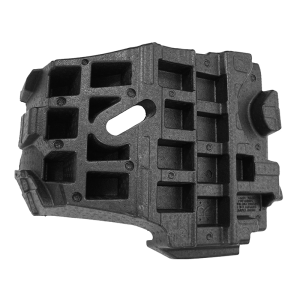
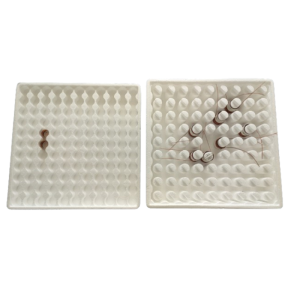
Another limitation is reduced customization capability. Standard packaging materials may not support the complex geometries required for multi-component assemblies or precision transport trays. For manufacturers managing export-grade packaging systems, these limitations can affect operational consistency and product safety.
At ProFlexPack, foam sheets for packaging are engineered to address these challenges through improved material stability, cleaner surfaces, and more precise structural design.
Advantages of Modern Anti-Static Laminated EPE Sheets
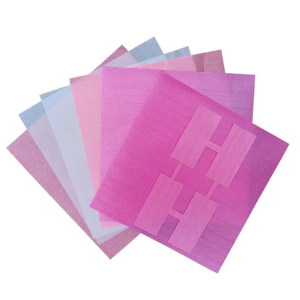
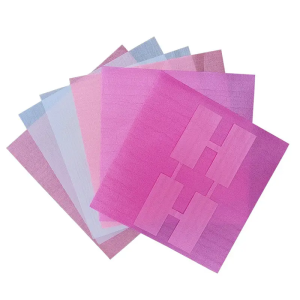
Compared with conventional materials, anti static foam sheets based on laminated EPE structures provide both cushioning protection and stable electrostatic control. The ESD film layer helps maintain controlled surface resistivity, reducing electrostatic discharge risks for PCB assemblies, communication modules, and precision electronic devices.
The EPE core also offers lightweight impact absorption while maintaining flexibility and cushioning performance during repeated handling cycles. This makes foam sheets for packaging suitable for precision parts that require vibration reduction and stable product positioning during shipment.
At ProFlexPack, anti static foam sheets are developed with abrasion-resistant film-bonded surfaces to improve durability during long-term logistics use. The non-dusting structure also supports cleanroom-compatible applications and sensitive manufacturing environments.
Rigorous drop and vibration testing further helps verify packaging performance for mass production and export transportation conditions.
Customization and Compliance for Precision Applications
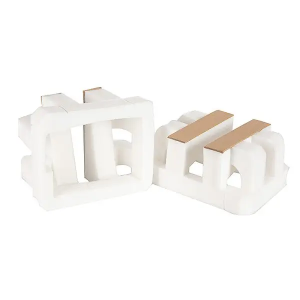
Modern packaging systems increasingly require customization to match product dimensions, transport conditions, and operational workflows. Advanced anti static foam sheets can be produced in different thicknesses, densities, and sheet sizes according to specific packaging requirements.
ProFlexPack supports rapid packaging development through 72-hour prototyping services using 3D and CAD-based engineering processes. Customized packaging layouts help improve handling efficiency and reduce unnecessary movement during transportation.
Compliance is another important factor for precision industries. Foam sheets for packaging used in export-oriented manufacturing environments often need to meet environmental and quality standards. ProFlexPack packaging materials comply with ISO 9001, ISO 14001, UL, RoHS, and REACH requirements, supporting stable quality consistency across long-term manufacturing programs.
These factors make engineered anti static foam sheets more suitable for precision instruments compared with many traditional packaging materials.
Building More Reliable Packaging Systems for Precision Equipment
As high-precision instruments continue to become more sensitive and complex, packaging systems must deliver reliable electrostatic protection, cushioning stability, and long-term durability. Material selection therefore plays an important role in maintaining product safety throughout global logistics operations.