-re0ekjsqlb4ojigkuutt3usg360zqvvu56lxdec0lc.png "所有proflexpacks改为proflexpack的(logo)")
Electronic components and precision devices are highly vulnerable to electrostatic discharge during manufacturing, storage, and transportation. Tiny static electricity produced by friction may damage precision circuits, connectors and optical parts. At the same time, these products also require reliable cushioning protection against vibration and impact during logistics operations.
Because of these combined requirements, anti static foam sheets are widely used in industrial packaging systems. By integrating electrostatic protection with shock absorption performance, these materials help improve packaging reliability for electronics and precision equipment. At ProFlexPack, customized foam sheets for packaging are developed to support stable ESD control, consistent cushioning performance, and efficient handling across demanding industrial environments.
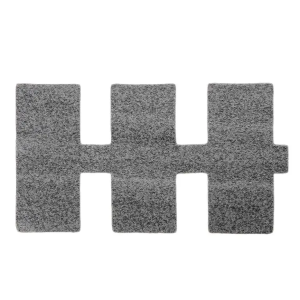
How Anti Static Foam Sheets Provide ESD Protection
The primary function of anti static foam sheets is to reduce the buildup and discharge of static electricity around sensitive electronic products. Standard packaging materials may generate electrostatic charges through movement, friction, or repeated handling, creating risks for PCB assemblies, semiconductors, communication modules, and other precision components.
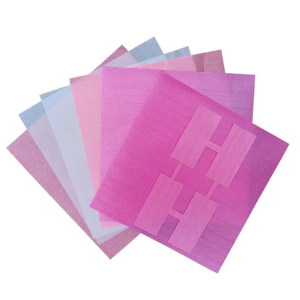
Anti-static laminated EPE sheets are engineered with dissipative surface properties that help control static accumulation. The ESD-film layer maintains stable electrostatic behavior, allowing charges to dissipate gradually instead of discharging suddenly onto sensitive devices.
At ProFlexPack, anti static foam sheets are developed for electronics assembly environments, export packaging, workstation handling, and cleanroom-compatible applications. Stable ESD performance helps improve protection consistency during storage, transportation, and repetitive production processes.
Cushioning Performance for Sensitive Components
In addition to electrostatic control, foam sheets for packaging also provide important mechanical protection. Electronic products are frequently exposed to vibration, compression, and impact during shipment and warehouse handling.
The EPE foam core used in anti static foam sheets offers reliable cushioning performance while remaining lightweight and flexible. This structure helps absorb external shock energy and reduce movement inside packaging systems.
For products such as optical instruments, precision modules, and fragile electronic assemblies, stable cushioning performance is essential for reducing transport-related damage. At ProFlexPack, packaging structures are designed according to product geometry and logistics conditions to improve component stability during handling and export transportation.
The lightweight nature of foam sheets for packaging also supports lower shipping weight and more efficient logistics operations.
Durability and Packaging Flexibility in Industrial Applications
Industrial packaging materials must maintain stable performance under repeated handling conditions. Lower-grade foam materials may wear quickly or lose protective consistency after extended use.
The ESD film surface strengthens wear resistance and prolongs service life for repeated use. This makes the material suitable for long-term industrial packaging applications and multi-stage supply chain operations.
Customization is another important advantage. Foam sheets for packaging can be produced in different thicknesses, densities, colors, and dimensions according to operational requirements. ProFlexPack provides customized foam solutions that support tray inserts, divider sheets, protective interlayers, and precision packaging systems for electronics and industrial equipment.
The clean, non-dusting surface structure also makes anti static foam sheets suitable for cleanroom environments and precision manufacturing facilities where contamination control is important.
Supporting Safer Electronics Packaging Operations
As electronics products continue to become more compact and sensitive, packaging materials must deliver both electrostatic protection and reliable cushioning performance. Effective packaging systems help reduce handling risks while supporting efficient transportation and storage operations.