-re0ekjsqlb4ojigkuutt3usg360zqvvu56lxdec0lc.png "所有proflexpacks改为proflexpack的(logo)")
In electronics manufacturing and precision equipment logistics, electrostatic discharge (ESD) remains one of the most underestimated risks. A common issue in industrial packaging is not the lack of protective materials, but the misunderstanding of how those materials actually work. Many companies assume that all foam performs the same function or that basic cushioning materials are sufficient for sensitive components.
In reality, anti static foam sheets are engineered with specific electrostatic properties that go far beyond simple shock absorption. At ProFlexPack, foam sheets for packaging are developed for electronics, precision instruments, and export-grade applications where both physical protection and controlled electrostatic behavior are required.
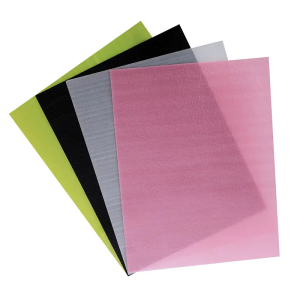
Myth: All Foam Materials Provide Anti-Static Protection
One of the most common misconceptions is that any foam used in packaging automatically provides anti-static protection. In practice, standard foam materials often generate static electricity through friction, especially during repeated handling or transportation.
Anti static foam sheets are specifically designed to control surface resistivity and prevent uncontrolled charge accumulation. Without this engineering, foam sheets for packaging may actually increase ESD risk instead of reducing it.
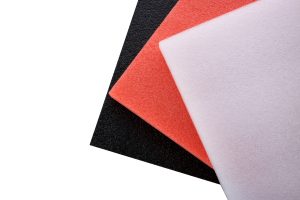
At ProFlexPack, anti-static laminated EPE sheets are used to ensure stable electrostatic performance. The ESD-film bonded surface provides more consistent resistivity compared with standard foam materials, making it suitable for electronics manufacturing and component handling environments.
Myth: Cushioning Performance Alone Is Enough for Electronics Protection
Another misunderstanding is that cushioning alone can protect sensitive electronic components. While shock absorption is important, it does not address electrostatic discharge, which can damage PCB assemblies, communication modules, and optical sensors even without physical impact.
Anti static foam sheets combine both mechanical cushioning and electrostatic control. The EPE structure absorbs vibration and impact, while the conductive surface layer helps dissipate static charges safely.
In industrial applications, foam sheets for packaging must therefore perform dual functions: protecting against physical stress and maintaining controlled electrical conditions. ProFlexPack designs packaging systems that are tested for both drop resistance and electrostatic stability to support real-world logistics environments.
Myth: Anti-Static Performance Is Permanent Without Testing
A frequently overlooked issue is the assumption that anti-static properties remain unchanged over time. In reality, electrostatic performance can vary depending on material quality, manufacturing consistency, and environmental conditions.
Low-grade materials may show inconsistent resistivity, especially in high-volume production or export logistics cycles. This inconsistency can lead to unpredictable ESD behavior during long-distance transportation or repeated handling.
Anti static foam sheets developed with laminated EPE structures help maintain more stable performance. At ProFlexPack, each production batch is designed to ensure consistent material properties, making foam sheets for packaging suitable for long-term industrial use rather than short-term protection.
Understanding ESD Protection in Real Packaging Systems
Effective ESD protection requires more than selecting a single material. It depends on how packaging systems integrate electrostatic control, cushioning performance, and operational consistency across the supply chain.
Anti static foam sheets play a central role in this system by providing controlled resistance and stable cushioning for sensitive products. When used in properly designed foam sheets for packaging, they help reduce both physical damage and electrostatic risk during storage, assembly, and transportation.