A protective package begins long before an insert reaches the shipping carton. Product dimensions, surface sensitivity, loading patterns, transport conditions, reuse cycles, and destination requirements all influence the engineering decisions made during development. For electronics, automotive modules, precision instruments, and industrial components, a well-designed foam packaging insert needs to perform as part of a larger logistics system rather than function as simple cushioning. At Proflexpack, we approach customized packaging from this broader perspective, connecting product information, material selection, prototype evaluation, production control, and international delivery.
Defining Requirements Before Design
The consultation stage establishes the technical foundation for the packaging project. Product drawings, 3D files, photographs, component weights, fragile areas, and loading orientations provide useful references. Packaging engineers can then identify which surfaces require support and which features need clearance, particularly around connectors, switches, polished finishes, and exposed electronic assemblies.
Transportation conditions deserve equal attention. A package moving through a controlled factory environment faces different risks from one traveling through multiple warehouses and distribution centers. Drop height, vibration exposure, stacking pressure, temperature variation, and handling frequency should be considered before selecting a cushioning structure.
Product lifecycle also changes the specification. Single-use export packaging may prioritize material efficiency, while closed-loop logistics may demand repeated compression recovery and abrasion resistance. Automotive modules, precision molds, and industrial machinery components often benefit from packaging concepts developed around their actual handling cycle rather than a single shipment.
Selecting Materials And Protective Characteristics
Material selection involves more than comparing softness. Density, resilience, compression behavior, energy absorption, chemical resistance, surface friction, and dimensional stability all influence the suitability of a foam structure. The right combination depends on product mass and geometry as much as on the desired cushioning level.
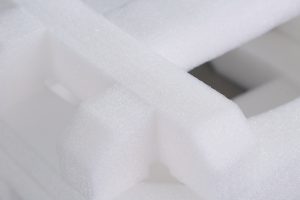
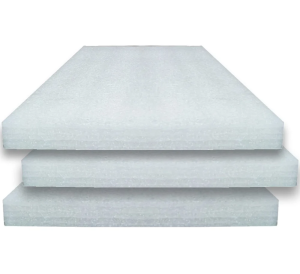
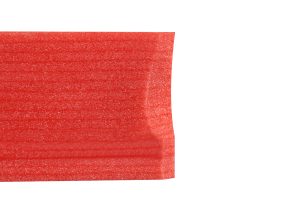
EPP material is useful in applications where lightweight construction needs to coexist with structural strength and repeated-use capability. Its cellular structure provides resilience under mechanical loading, while its resistance to heat, oils, and many industrial chemicals makes it relevant to automotive and machinery environments.
Surface interaction should not be overlooked. Coated housings, polished components, optical assemblies, and precision ceramic products may require low-friction contact areas to reduce abrasion during loading and unloading. Packaging designers should examine not only impact protection but also how frequently the product touches the protective material throughout its service cycle.
Translating Product Geometry Into A Custom Insert
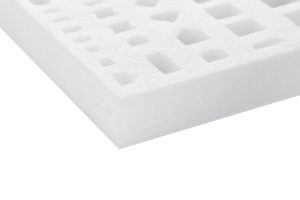
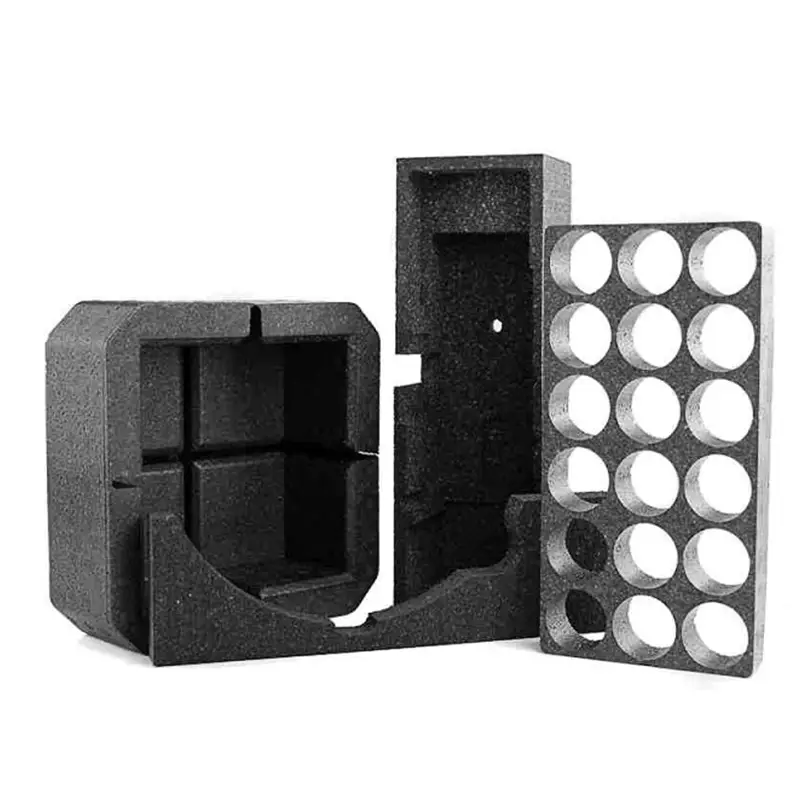
Once the requirements are defined, product geometry becomes the central reference for cavity development. A packaging engineer may create recessed areas for delicate connectors, reinforced zones beneath heavier sections, and channels around cables or protruding features. Such details help control movement without applying unnecessary pressure to vulnerable surfaces.
For compact electronics, cavity accuracy can have a noticeable effect on packaging behavior. Computer motherboards, sensors, power supplies, and optoelectronic equipment may contain multiple sensitive regions within relatively small housings. A properly positioned foam packaging insert separates these areas while maintaining practical clearance for packing and unpacking operations.
Digital modeling makes these decisions easier to test before mass production. At Proflexpack, we use 3D/CAD development together with rapid prototyping, including a 72-hour prototype process, to examine fit and geometry before production. Our EPP Foam Inserts | Heavy-Duty Customization program is designed around reusable logistics trays, automotive modules, industrial components, and precision equipment, with Drop & Vibration testing used in mass-production evaluation.
Prototyping, Testing, And Production Control
A prototype provides information that drawings alone cannot reveal. Engineers can inspect insertion force, component alignment, clearance, operator access, and possible contact points. Physical samples are particularly useful when products contain irregular contours or several assemblies that must occupy fixed positions.
Testing should reflect the expected logistics environment. Drop testing examines sudden impact, while vibration testing reveals movement and repeated mechanical loading. For reusable packaging, compression-cycle assessment adds another dimension because the protective component may be loaded and unloaded hundreds or thousands of times.
Production consistency matters once the design moves beyond sampling. Controlled material density, dimensional inspection, process documentation, and applicable quality standards help maintain predictable characteristics across manufacturing batches. EPP material used in our applicable programs is supported by ISO 9001/14001 and UL credentials, ESD compliance, and processes aligned with RoHS and REACH requirements.
Global Delivery And Lifecycle Considerations
International packaging projects involve more than manufacturing. Package dimensions influence freight efficiency, while weight affects handling and transportation economics. Export routes may include air freight, ocean transport, courier networks, and several warehouse transfers, so the protective design should reflect the full journey rather than only the first loading stage.
Reusable systems introduce another layer of planning. Returnable packaging may need to withstand repeated stacking, cleaning, storage, and handling. Automotive components, industrial machinery, and precision instruments can benefit from standardized loading procedures when the same packaging configuration circulates between facilities.
Conclusion
Customized protective packaging is best understood as an engineering process that moves through several connected stages: requirements definition, material evaluation, geometry development, prototype testing, production control, and logistics planning. Each stage contributes different information, and decisions made early can influence performance much later in the supply chain.
We at Proflexpack apply this process to applications ranging from electronics and automotive modules to precision equipment and reusable industrial logistics. With the right foam packaging insert design and carefully selected EPP material, manufacturers can build packaging around the actual demands of their products instead of relying on generic cushioning.