A precision component can pass every factory inspection and still arrive compromised after crossing several borders. Differences in transport conditions, customs expectations, packaging practices, and regional regulations make international distribution more complicated than simply placing a product inside a protective container.
From our experience at Proflexpack, we see packaging compliance as a practical part of risk management, particularly for electronics, optical equipment, medical devices, and other sensitive products. A capable foam packaging manufacturer must consider not only cushioning performance but also material properties, documentation, handling conditions, and the destination market.
Understanding Compliance Beyond Customs Documentation
Cross-border compliance is often associated with import paperwork, labeling, or restricted materials, yet packaging itself can create operational risks. Material composition, recyclability requirements, environmental rules, and product-contact considerations may differ between markets. A packaging specification that works in one country can require adjustment elsewhere, especially for electronics containing sensitive components or medical equipment subject to stricter controls.
Documentation should stay aligned with the physical packaging actually being shipped. Material specifications, test records, drawings, and inspection information can help purchasing, engineering, logistics, and quality teams work from the same baseline. A foam packaging manufacturer supporting international programs should be able to communicate material characteristics clearly rather than leaving customers to interpret incomplete technical information.
Managing Material Selection Across Markets
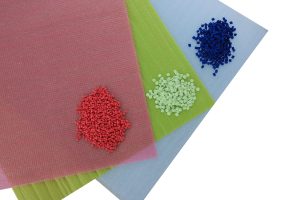
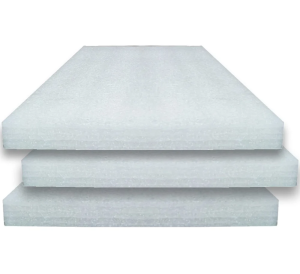
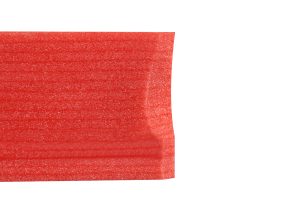
Material selection affects more than cushioning. EPE, EPS, and EPP each have different structural characteristics, weight profiles, resilience, and processing possibilities. Electronics such as Semiconductor Discrete Devices, sensors, power supplies, and optoelectronic equipment may require a different protective approach from larger hardware assemblies or automotive components.
Environmental conditions introduce another layer of complexity. Long-distance transportation may expose packages to vibration, compression, temperature variation, humidity, and repeated handling. A packaging specification developed around a short domestic route may not behave the same way across ocean freight, air transportation, warehousing, and final-mile delivery. Material selection should reflect the entire distribution journey rather than a single handling event.
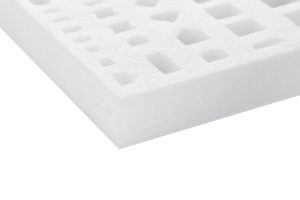
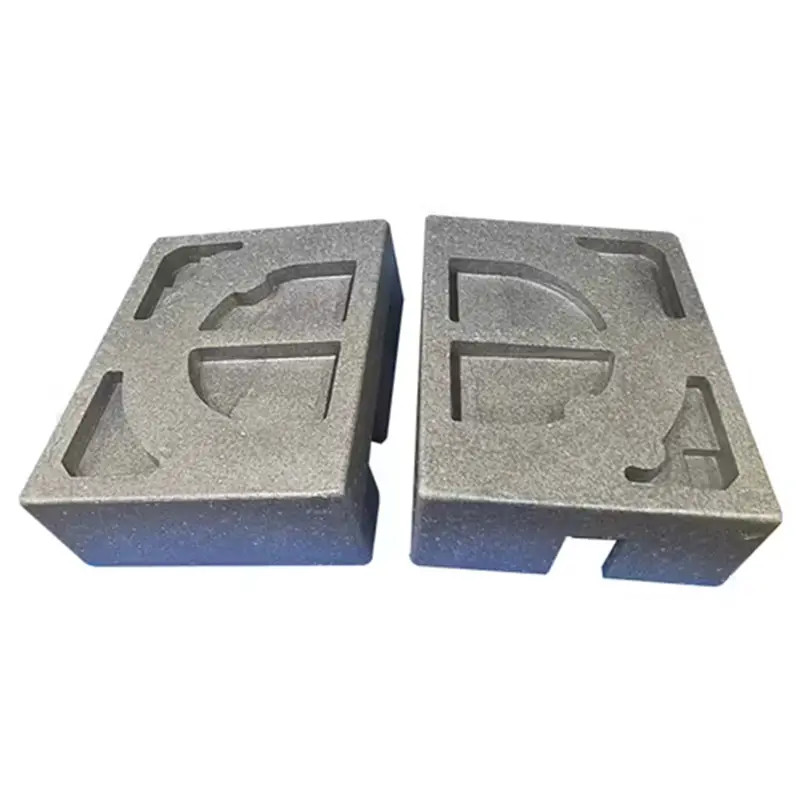
Our approach at Proflexpack combines material knowledge with application-specific engineering. Custom foam packaging solutions can be developed around component geometry, cavity dimensions, stacking requirements, and handling conditions instead of relying on one standard configuration. Such flexibility is useful for products including precision molds, computer motherboards, optical instruments, and delicate assemblies.
Designing Packaging Around Product Risk
Geometry is a major factor in protective packaging. Fragile connectors, protruding components, optical surfaces, and irregular housings can create concentrated stress points if the internal cavity does not correspond closely with the product. Poor positioning may allow movement during transit, while excessive compression can place unnecessary pressure on sensitive areas.
Packaging engineers should also distinguish between immobilization and cushioning. A tray or insert may hold an item in a defined position, but the surrounding structure still needs to manage shock and vibration. Products such as Optical, Measuring, and Testing Instruments, Single-Mode Fiber Optic Equipment, and precision ceramic components often benefit from carefully controlled contact areas rather than generic open-space cushioning.
Coordinating ESD And Handling Requirements
Electronic products introduce risks that ordinary cushioning analysis may not capture. Static discharge can damage sensitive circuitry even without visible physical impact, particularly in components such as active and passive components, electronic heating components, smart remote controls, and new power electronic components. Packaging specifications may consequently need antistatic or electrostatic dissipative characteristics alongside mechanical protection.
Handling processes matter as well. A package moving through multiple warehouses can be opened, inspected, repacked, stacked, or manually transferred several times. Internal packaging should support predictable handling and provide clear orientation where necessary. For large assemblies such as computer chassis, multimedia computers and servers, or Data Communication Multimedia Systems, space utilization and access can influence both labor efficiency and protection.
Our engineering work at Proflexpack considers these operational details as part of custom foam packaging solutions. Depending on the application, packaging may involve cutting, molding, laminating, thermoforming, surface treatment, assembly, or prototyping. The objective is not simply to add more material, but to establish a practical relationship between product geometry, protection requirements, handling steps, and available shipping space.
Building A Consistent Global Packaging Program
Cross-border programs become difficult to manage if every facility uses a different packaging specification. Multiple versions can create purchasing complexity, inconsistent inspection criteria, excess material inventory, and confusion during production changes. A shared technical baseline makes it easier to coordinate suppliers and internal teams across different regions.
Testing should reflect realistic distribution conditions rather than relying solely on laboratory assumptions. Impact, density, compression, vibration, dimensional accuracy, and material behavior can all provide useful information, depending on the product. For international supply chains, inspection records and sampling procedures also help teams compare packaging performance across production batches.
A scalable foam packaging manufacturer should contribute more than fabrication capacity. At Proflexpack, we support projects from prototyping and CAD-based development through manufacturing, inspection, and global delivery. Custom foam packaging solutions can then evolve with product dimensions, production volumes, destination requirements, or handling conditions without losing sight of the original protection objectives.
Conclusion
International shipping places packaging under pressures that are easy to underestimate: regulatory variation, long transportation cycles, repeated handling, environmental exposure, and increasingly complex product geometries all interact. Treating compliance as part of packaging engineering gives businesses a clearer way to manage these variables.
At Proflexpack, we combine material expertise, application-driven design, testing, and manufacturing support so that custom foam packaging solutions can respond to real distribution requirements rather than relying on generic assumptions. With the right technical framework, packaging becomes a controlled part of the supply chain instead of an overlooked source of risk.