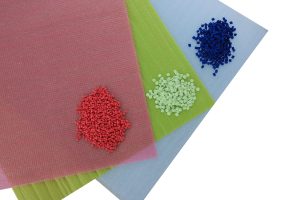
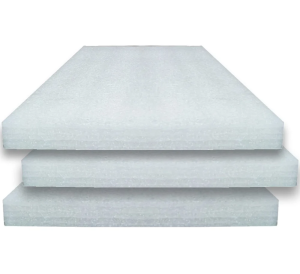
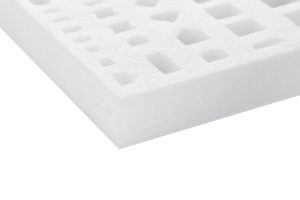
Static electricity can be invisible, yet a brief discharge may damage sensitive circuitry, alter component performance, or create failures that only appear later in production or field use. This makes packaging part of the electronics protection strategy rather than merely an outer transport layer. In our work at Proflexpack, we pay particular attention to how electrical sensitivity, product geometry, handling conditions, and distribution requirements interact. Well-designed ESD foam packaging can help create a controlled protective environment for components that are difficult or costly to replace.
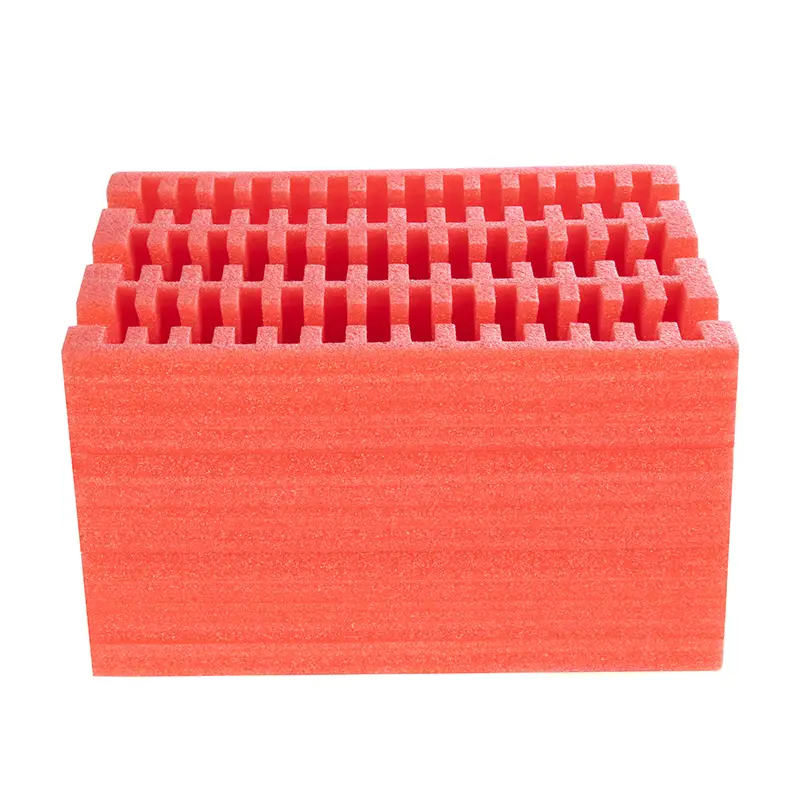
Semiconductor And Component Protection
Semiconductor products often contain miniature structures that are highly sensitive to electrostatic events. Discrete devices, integrated circuits, sensors, active and passive components, and new power electronic components may move through several stages before reaching final assembly. Packaging must limit unnecessary contact, movement, and exposure during those transitions.
For component manufacturers, the risk does not end once a part has passed electrical inspection. Manual picking, automated handling, warehouse transfers, and repeated opening of cartons can introduce new opportunities for electrostatic discharge. Internal cavities should keep individual pieces separated while maintaining enough structural support to prevent friction and collision.
PCB And Power Electronics Handling
Printed circuit boards combine numerous vulnerable elements within a relatively compact structure. Connectors, soldered components, coils, terminals, and semiconductor packages may react differently to impact and static exposure. Packaging cavities should consequently reflect the board’s actual geometry instead of relying on excessive empty space or generic cushioning.
Power supplies, power adapters, power distributors, and electronic heating components introduce another consideration: weight distribution. A heavier assembly can shift inside a package during transportation, placing stress on connectors or mounting points. Properly positioned support areas can distribute mechanical loads while keeping critical surfaces away from unnecessary contact.
Well-planned foam packaging solutions also benefit production environments where components move repeatedly between manufacturing, testing, storage, and assembly stations. Reusable packaging may be appropriate when the same part follows a predictable circulation route, particularly if the internal configuration supports quick loading and unloading.
Displays And Optoelectronic Equipment
Display-related products can present unusual packaging challenges because their surfaces are often large, thin, and susceptible to pressure or abrasion. New displays, thin-film transistor liquid crystal display devices, and related electronic assemblies may require carefully distributed support so that transportation forces do not concentrate around fragile areas.
Optoelectronic equipment adds another layer of sensitivity. Optical interfaces, lenses, fiber connections, and alignment-sensitive assemblies may lose functional accuracy after relatively modest physical disturbance. Internal packaging therefore needs to control movement while avoiding direct pressure on delicate working surfaces.
For these applications, ESD foam packaging can form part of a broader protective architecture that combines static control with dimensional support. Engineers may need to consider cavity depth, contact locations, orientation, stacking conditions, vibration exposure, and the sequence in which operators remove each component.
Computers And Communication Hardware
Computer chassis, microcomputers, portable computers, multimedia computers and servers contain combinations of boards, connectors, drives, cooling elements, and structural components. Their packaging requirements can differ substantially depending on weight, configuration, and the number of sensitive parts exposed to handling.
Data communication multimedia systems and digital audio and video systems may also contain numerous interfaces that should remain protected from impact. A package that holds the main housing securely but leaves connectors unsupported can still create a weak point during vibration or repeated manual movement.
Our foam packaging solutions can be developed around specific product dimensions and circulation patterns rather than a fixed universal configuration. For reusable applications, durability and handling efficiency become particularly important because the packaging itself may experience many loading cycles before replacement.
Smart Devices And Mixed Electronics
Modern electronics manufacturing rarely involves a single component type. Smart remote controls, home appliances, electronic specialty materials, refrigeration equipment, air conditioning equipment, and other assemblies may combine plastics, metals, circuit boards, wiring, and sensitive electronic elements within the same supply chain.
Mixed-material products can create packaging conflicts. A rigid protrusion may press against a softer electronic section, while repeated movement can generate friction between adjacent components. Engineers should map contact zones and movement paths before selecting the cushioning material or cavity arrangement.
Reusable logistics systems make the issue even more relevant. Packaging that returns to a factory repeatedly needs to withstand loading cycles while remaining practical for operators. At Proflexpack, we evaluate these real-world factors alongside material characteristics so that ESD foam packaging supports both product protection and day-to-day handling requirements.
Conclusion
Electronics packaging has evolved alongside the products it protects. Semiconductor devices demand careful static control, circuit boards need stable positioning, displays require distributed support, computer hardware calls for structural restraint, and mixed assemblies bring several risk factors together.
Our team at Proflexpack approaches each application according to its actual product geometry and logistics cycle, using foam packaging solutions that balance mechanical protection, ESD considerations, reuse, and handling practicality. A thoughtful packaging specification can become a useful extension of the manufacturing process, helping sensitive electronics move through production and distribution with fewer avoidable vulnerabilities.