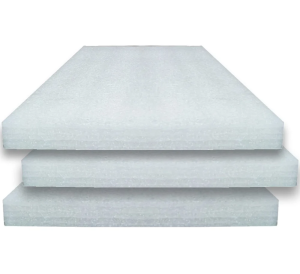
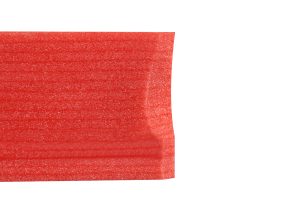
Automated warehouses rely on conveyors, robotic arms, barcode systems, automated storage and retrieval equipment, and tightly coordinated picking stations. Within such environments, electrostatic discharge may appear insignificant, yet a brief electrical event can damage sensitive circuitry without leaving obvious physical marks. EPS foam becomes particularly useful when protective packaging must combine low weight with impact management and controlled static behavior.
At Proflexpack, we approach this challenge from a packaging-engineering perspective, considering material characteristics, component sensitivity, handling conditions, and the full logistics path rather than treating ESD protection as a single packaging feature.
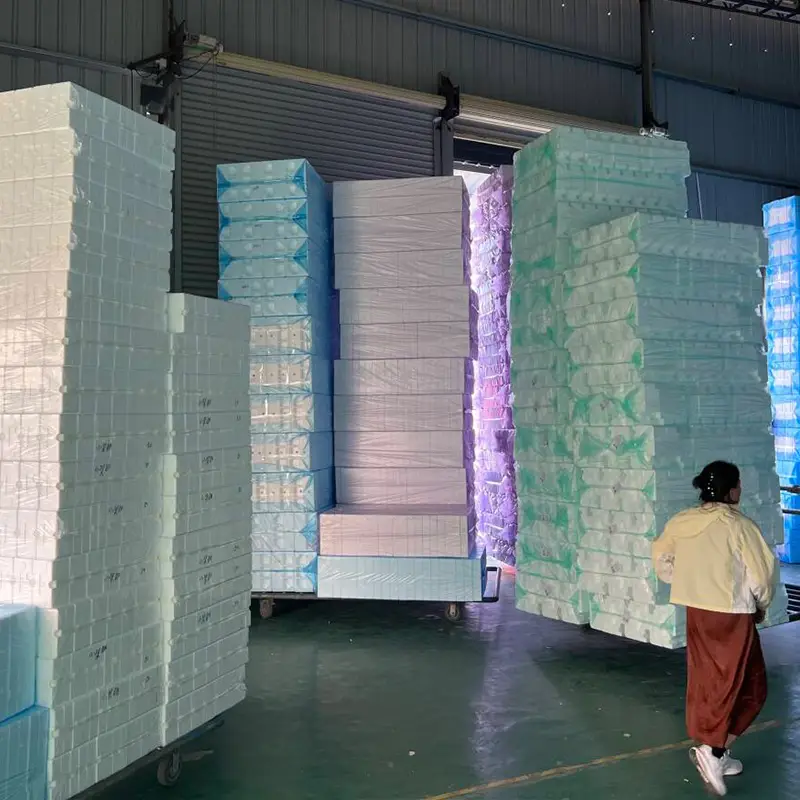
Understanding Electrostatic Risks in Automated Warehousing
Static electricity develops easily when packaging materials, conveyor surfaces, garments, and components interact through contact and separation. Relative humidity, material composition, friction, and handling speed all influence charge accumulation. In automated warehouses, repeated movement through rollers, transfer stations, robotic grippers, and sorting equipment creates numerous opportunities for electrostatic potential to build around sensitive electronic assemblies.
The concern becomes greater when products contain exposed connectors, circuit boards, sensors, optical elements, or semiconductor components. An electrostatic discharge may be too small for a worker to notice while still affecting a sensitive device. Unlike impact damage, electrical stress may not produce visible deformation, making post-shipment diagnosis particularly difficult.
Material selection consequently matters alongside warehouse procedures. Standard cushioning may absorb mechanical shocks while offering little control over electrostatic behavior. Properly engineered anti static foam packaging incorporates dissipative characteristics into the protective system, helping manage charge around packaged components rather than relying exclusively on external handling precautions.
How EPS Structures Manage Impact and Static
The cellular structure of EPS foam provides a lightweight cushioning medium in which fused beads form a rigid yet energy-managing geometry. Under compression, the material can distribute localized forces across a larger area, which is valuable when automated equipment repeatedly moves packaged products through handling stages.
Static control requires additional considerations. Anti-static treatment modifies the surface behavior of the packaging so accumulated electrical charge can dissipate in a more controlled manner. Depending on the material formulation and application, resistance characteristics are specified within a defined range rather than assuming that every foam material behaves identically.
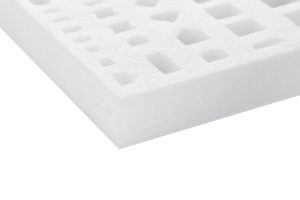
For automated warehouse applications, anti static foam packaging should also be considered in relation to cavity geometry. A well-designed insert holds the product away from hard packaging walls, limits unnecessary movement, and creates consistent contact points. Mechanical stability and ESD control then work together instead of functioning as separate packaging objectives.
Designing Inserts for Automated Handling
Packaging geometry becomes especially important when products move through standardized automated workflows. Irregular cavities, deep contours, cable channels, and multi-point supports can help position equipment securely while leaving critical surfaces free from unnecessary contact. Such features are particularly relevant to computer motherboards, power supplies, communication modules, and precision housings.
At Proflexpack, our EPS Anti-Static Foam Inserts | Engineered Export Protection use precisely molded cavities and channels to accommodate sensitive equipment configurations. The material is surface-treated for anti-static performance, with a resistance range of 10⁸–10¹⁰ Ω. Lightweight construction also supports export packaging where dimensional efficiency, shock management, and freight considerations must be evaluated together.
A practical design review should examine the product’s center of gravity, vulnerable edges, connector locations, cable routing, and loading direction. EPS foam that fits the product geometry more closely can reduce unwanted movement during conveyor transfers or pallet handling. The packaging specification should also reflect the actual warehouse process rather than being developed solely from a static product drawing.
Matching ESD Protection to Electronic Components
Not every electronic product carries the same level of electrostatic sensitivity. Sensors, active and passive components, optical equipment, communication hardware, and new power electronic components may have different vulnerability profiles. Packaging engineers should identify sensitive interfaces before deciding how much physical separation and electrical control the package requires.
Products such as portable computers, multimedia computers and servers, Smart Remote Controls, Power Adapters, and Data Communication Multimedia Systems may contain several electronic subsystems within a single enclosure. Their packaging needs can extend beyond simple cushioning because connectors, displays, switches, and circuit assemblies may respond differently to mechanical and electrical stress.
Medical and laboratory equipment introduces another layer of consideration. Packaging for medical devices may involve diagnostic electronics, Optical, Measuring, and Testing Instruments, or delicate assemblies that travel through multiple distribution environments. In such cases, anti static foam packaging should be evaluated alongside cleanliness, dimensional stability, vibration exposure, regulatory documentation, and the specific sensitivity of the enclosed device.
Conclusion
Electrostatic protection in an automated warehouse is not simply a matter of selecting a material described as anti-static. The interaction between electrical resistance, product sensitivity, cavity geometry, mechanical loading, warehouse automation, and transportation conditions determines whether the packaging concept is appropriate. Anti static foam packaging offers a useful approach when electronic equipment needs controlled static behavior alongside physical cushioning, but its performance should always be considered within the entire packaging system.
From servers and communication machines to laboratory instruments and precision electronic assemblies, packaging decisions benefit from a product-specific assessment. Proflexpack combines material knowledge, CAD-based development, and application-oriented packaging engineering to address these requirements without treating every component as identical. With the right geometry and material specification, EPS foam can form part of a practical protective strategy that supports modern automated handling while addressing electrostatic risks.