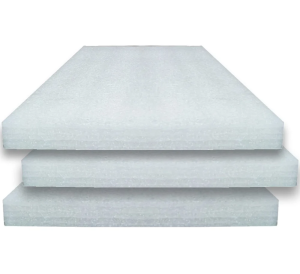
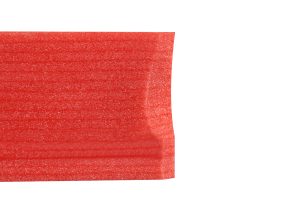
Electronics moving through B2B supply chains face a combination of mechanical shock, vibration, compression, and electrostatic exposure that ordinary shipping materials may not address equally well. Circuit assemblies, optical components, sensors, and power electronics can suffer functional degradation from an electrical event that leaves little visible evidence.
EPS foam offers a lightweight cellular structure for physical cushioning, while ESD-oriented materials add controlled electrical characteristics to the protective system. At Proflexpack, we approach packaging around the sensitivity of the component, its physical geometry, handling route, and production requirements rather than treating ESD protection as a standalone specification.
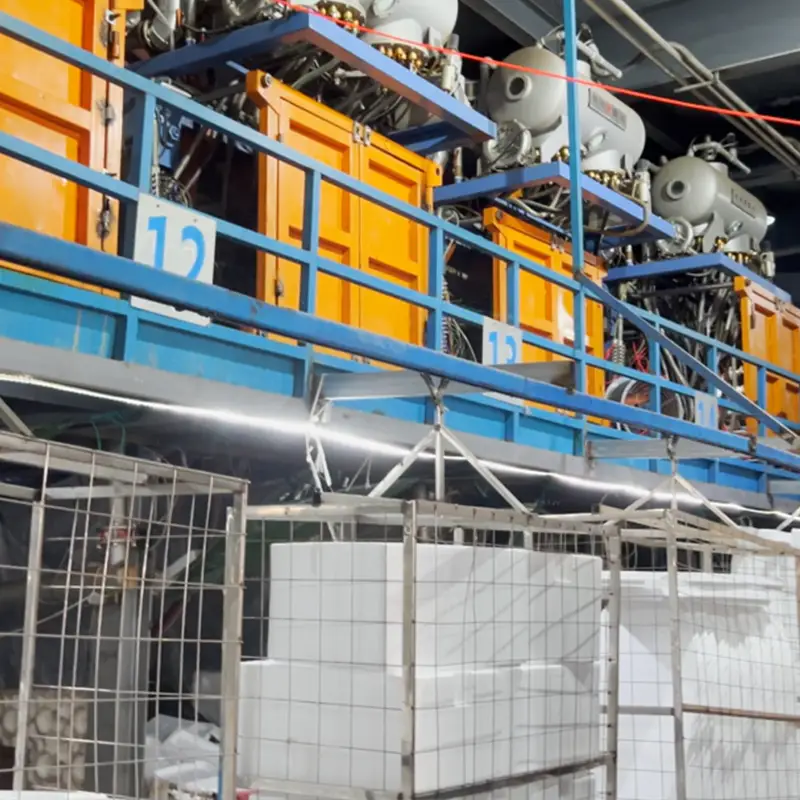
Understanding ESD Risks in Electronics Packaging
Electrostatic charge develops through contact and separation between different materials. Plastic surfaces, synthetic fabrics, conveyor belts, cartons, and even routine handling activities can create voltage differences. Once a charged object approaches a sensitive electronic component, the stored energy may discharge through a connector, circuit trace, or semiconductor junction.
The visible absence of damage does not mean an electronic assembly has escaped electrical stress. Some discharge events produce immediate failure, while others may weaken a component and contribute to intermittent behavior later in its service life. This makes ESD control particularly relevant during storage, assembly, inspection, and distribution.
Matching Foam Characteristics to Product Sensitivity
Material selection should begin with the electronic component itself. Computer Motherboards, Semiconductor Discrete Devices, Sensors, Power Supplies, and Active and Passive Components may have very different physical structures and ESD sensitivities, so identical packaging specifications are rarely appropriate across an entire product portfolio.
The density of EPS foam influences its mechanical response under compression and impact. Yet density alone does not determine packaging performance. Cavity dimensions, wall thickness, support locations, and product weight distribution also affect how forces travel through the protective structure during handling.
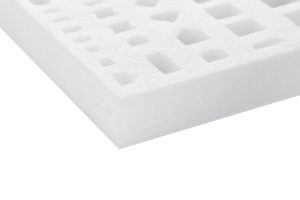
For particularly delicate assemblies, the internal geometry deserves close attention. A molded cavity can keep connectors, exposed interfaces, optical surfaces, and sensitive housings separated from hard external packaging surfaces. Such positioning reduces unnecessary movement while allowing the surrounding material to absorb part of the mechanical energy.
Building ESD Protection Into Packaging Design
ESD control works best when integrated into the packaging architecture from the beginning. Engineers should identify discharge-sensitive areas, connector locations, exposed conductive surfaces, and points where the product may contact packaging material during insertion or removal.
At Proflexpack, our EPS Anti-Static Foam Inserts | Engineered Export Protection, ITEM 3110728 and MFG 0728B, are developed around firm structural support and high-stability shock absorption. Rigorous material inspection plus drop and vibration testing supports predictable mass-production requirements, making the solution applicable to electronics, communication equipment, precision housings, and laboratory instruments.
ESD safe packaging foam should not be interpreted as a substitute for an entire ESD-control program. Grounding practices, conductive work surfaces, personnel procedures, humidity management, and appropriate handling protocols remain relevant. Packaging is one layer within a broader electrostatic-control strategy.
Applying ESD Principles Across B2B Electronics
Different electronic industries present different packaging challenges. Data Communication Multimedia Systems may contain communication modules and circuit assemblies, while Optoelectronic Equipment can include delicate optical interfaces that require carefully controlled positioning.
Power-related equipment introduces another set of considerations. Power Adapters, Power Distributors, New Power Electronic Components, and Wires and Cable Assemblies may vary significantly in weight, shape, and sensitivity. Internal support therefore needs to correspond to the product’s actual structure rather than relying on generic cushioning dimensions.
The same reasoning applies to consumer and industrial electronics. Smart Remote Controls, Microcomputers, Portable Computers, New Displays, and Electronic Heating Components may travel through distribution channels with repeated handling cycles. EPS foam can provide structural cushioning while a properly specified anti-static formulation addresses the electrical side of the packaging requirement.
Testing, Handling, and B2B Implementation
A reliable packaging specification should reflect the conditions encountered after the product leaves the production line. Drop events, vibration, compression, stacking, repeated loading and unloading, and international transportation can all affect the condition of the package and its contents.
ESD testing should sit alongside those mechanical evaluations. The electrical characteristics of ESD safe packaging foam should be verified according to the applicable packaging specification and product sensitivity. Consistent inspection also matters because material variation can affect the repeatability of packaging performance across production batches.
At Proflexpack, we combine 3D/CAD development with 72-hour rapid prototyping, allowing packaging geometry to be assessed before mass production. Our quality framework includes certified anti-static performance, ISO 9001/14001 and UL certifications, as well as RoHS and REACH requirements. For B2B programs, these factors can simplify technical communication when packaging must support electronics, precision instruments, or international distribution.
Conclusion
ESD protection becomes much more meaningful when it is treated as part of the packaging system rather than an isolated material label. Product sensitivity, cavity geometry, mechanical loading, handling procedures, and electrical resistance characteristics all influence the suitability of a protective design. EPS foam is useful where lightweight structural cushioning is needed, provided that its formulation and application correspond to the electronic product being packaged.
B2B electronics programs also benefit from testing that reflects actual logistics conditions instead of relying on a single laboratory measurement. At Proflexpack, we use CAD development, rapid prototyping, material inspection, and application-specific testing to shape protective packaging around real product requirements. A thoughtful packaging strategy gives manufacturers a practical way to address both physical handling risks and electrostatic exposure across the distribution cycle.