Medical device packaging sits at the intersection of product protection, sterility, transportation, and regulatory expectations. A package may need to preserve a sterile barrier, withstand distribution stresses, or prevent delicate components from shifting inside an outer carton. For manufacturers working across different device categories, understanding which requirements apply to the sterile barrier and which relate to physical protection is essential.
As a foam packaging manufacturer, we see this distinction as an important starting point for developing practical packaging strategies. At Proflexpack, we approach packaging from the perspective of the device, its risks, and its intended distribution environment rather than treating every application the same way.
Understanding Medical Device Packaging Requirements
Medical device packaging is not governed by a single universal rule. Requirements depend on factors such as whether a device is supplied sterile, how it is sterilized, the materials used, and the conditions expected during storage and transportation. ISO 11607-1:2019 addresses materials, preformed sterile barrier systems, sterile barrier systems, and packaging systems intended to maintain sterility of terminally sterilized medical devices until the point of use.
A useful distinction is the difference between the sterile barrier system and protective packaging. The former concerns maintaining sterility, while cushioning components may address impact, vibration, abrasion, compression, and movement during distribution. Keeping these functions separate helps packaging teams define the correct testing and material requirements instead of assuming that one component serves every purpose.
Regulatory classification also affects the broader development context. Class II and Class III devices can involve different levels of risk and regulatory scrutiny, but the packaging approach still needs to be based on the device’s actual characteristics. Package design should account for the product’s geometry, sensitivity, sterilization route, handling conditions, and expected shelf life rather than relying solely on its classification.
ISO 11607 and Sterile Barrier Systems
ISO 11607-1 establishes requirements and test methods related to packaging materials and sterile barrier systems for terminally sterilized medical devices. The standard is concerned with maintaining sterility through storage and distribution until the device reaches the point of use.
Process validation is addressed separately by ISO 11607-2. The standard covers the development and validation of processes used for forming, sealing, and assembling preformed sterile barrier systems, sterile barrier systems, and packaging systems.
The FDA currently recognizes ISO 11607-1 and ISO 11607-2, including the 2023 amendment to each standard, as recognized consensus standards for medical devices. The FDA’s recognition information also notes that declarations of conformity to the earlier recognized versions will be accepted only through December 20, 2026. For U.S.-focused programs, regulatory teams should check the current FDA recognition status rather than relying on an outdated compliance reference.
Material Selection and Protective Cushioning
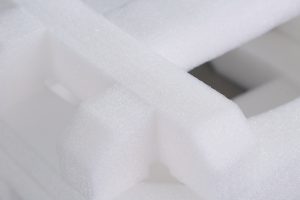
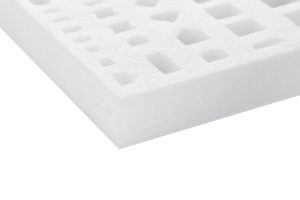
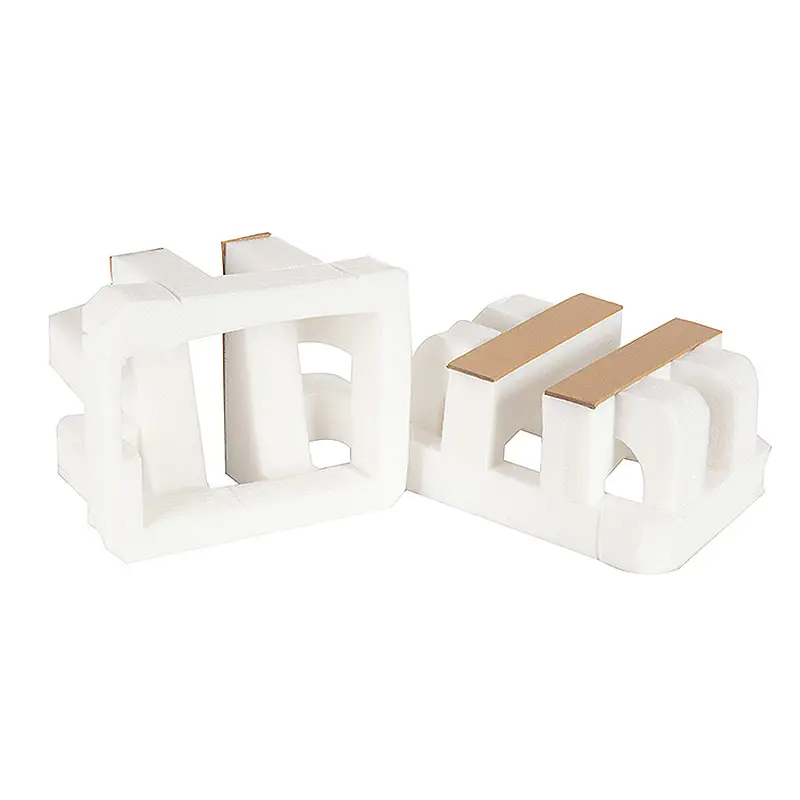
Sterility requirements do not automatically determine the best cushioning material. A separate engineering assessment may be needed to understand how a device responds to shock, vibration, compression, friction, and repeated handling. Sensitive optical instruments, diagnostic equipment, electronic assemblies, and precision components may require a shaped insert that limits movement without placing excessive pressure on fragile surfaces.
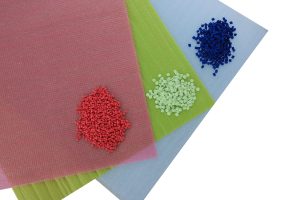
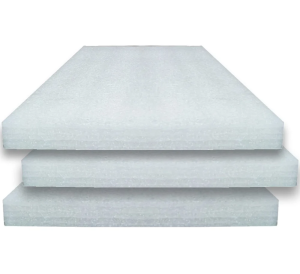
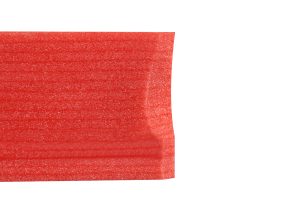
Material selection also depends on the operating environment. EPE, EPS, and EPP each have different physical characteristics, and anti-static variants may be relevant when packaging electronic components or devices containing ESD-sensitive assemblies. A protective packaging foam supplier should be able to discuss these distinctions in relation to the application instead of treating foam as a generic cushioning material.
For medical applications, packaging teams should also consider cleanliness, compatibility, dimensional stability, storage conditions, and interaction between packaging components. The right material is not simply the softest option. Cushion thickness, density, geometry, contact area, and load distribution can all influence how forces are transferred to the device during transportation.
Testing, Validation, and Distribution Considerations
Laboratory validation should reflect the stresses that a package may encounter throughout its actual distribution cycle. Drops, vibration, compression, temperature changes, handling events, and storage duration can all affect package performance. FDA discussions on medical device packaging emphasize package performance testing and stability testing as ways to evaluate sterile barrier integrity under manufacturing, sterilization, distribution, storage, and shelf-life conditions.
Testing should be connected to identified risks rather than selected simply because a particular test is commonly used. ISO 11607-2 specifically focuses on validation of packaging processes, while ISO 11607-1 addresses the materials and packaging systems themselves. This distinction matters when developing a validation plan because package design performance and manufacturing-process consistency are related but separate considerations.
A practical development program may therefore involve several stages: identifying device vulnerabilities, defining packaging functions, selecting materials, developing the design, evaluating prototypes, conducting applicable performance tests, and documenting the resulting process. The approach can vary considerably between a compact electronic medical device and a larger precision instrument intended for international distribution.
Conclusion
Medical device packaging requires more than selecting a container that fits the product. Sterile barrier integrity, material compatibility, cushioning behavior, package geometry, manufacturing processes, and distribution conditions all contribute to the final packaging system. ISO 11607 provides an important framework for terminally sterilized devices, while FDA recognition helps manufacturers understand how these standards fit into U.S. regulatory submissions.
At Proflexpack, we focus on the protective side of packaging development by combining EPE, EPS, EPP, and anti-static options with customized insert design for medical, electronics, aerospace, automotive, and precision applications. Our role as a foam packaging manufacturer is to translate product geometry and handling risks into practical cushioning solutions, while collaboration with regulatory and medical-device teams remains important for the broader packaging system. When specialized protection is required, working with an experienced protective packaging foam supplier can help packaging teams evaluate material and design choices with the actual device and distribution environment in mind.