-re0ekjsqlb4ojigkuutt3usg360zqvvu56lxdec0lc.png "所有proflexpacks改为proflexpack的(logo)")
As businesses increasingly seek sustainable solutions, polyethylene foam packaging is evolving. This material is essential for protecting products during storage and transport while also addressing environmental concerns. With innovations focusing on bio-degradability, lightweighting, and multi-layer design, companies can stay competitive by understanding these trends.
Bio-Degradability: A Shift Towards Sustainability
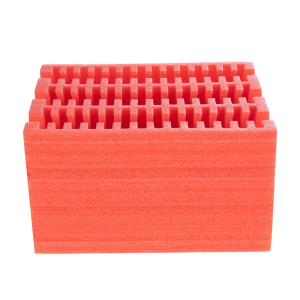
One of the most significant trends in polyethylene foam packaging is the push towards bio-degradable options. Consumers and corporations alike are becoming more environmentally conscious, prompting manufacturers to develop eco-friendly alternatives. Bio-degradable polyethylene foams break down over time, reducing landfill waste significantly. Companies that adopt such practices not only enhance their sustainability profile but also appeal to a broader customer base that prioritizes environmental responsibility. As industry standards evolve, businesses will find it imperative to integrate biodegradable practices into their packaging solutions to meet regulatory requirements and consumer expectations.
Lightweighting: Efficiency and Cost-effectiveness
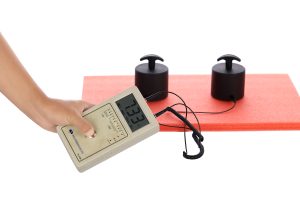
Another critical trend shaping the future of polyethylene foam packaging is lightweighting. Businesses are striving for efficiencies in both logistics and production costs. Traditional packaging materials often add unnecessary weight, leading to higher shipping expenses. Using lightweight polyethylene foam packaging, companies can drastically reduce overall package weight while maintaining protective qualities. This transition is particularly vital for the electronics industry, where sensitive components require reliable cushioning without added bulk. The incorporation of anti-static EPE foam, which provides stable batch-to-batch ESD performance, ensures that essential electronic components are safe throughout their journey, aligning with the demand for lighter yet effective packaging solutions.
Multi-Layer Design: Enhanced Protection and Versatility
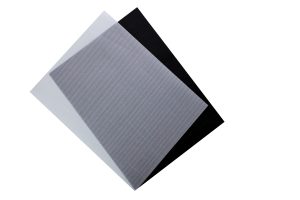
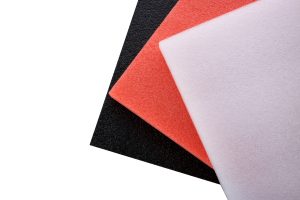
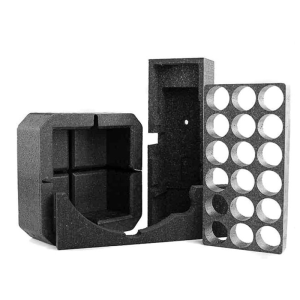
Multi-layer designs in polyethylene foam packaging represent a leap forward in protection and versatility. By combining different foam densities and types, manufacturers can create packaging solutions that cater specifically to various product needs. For instance, a combination of anti-static EPE foam and traditional polyethylene foam can be tailored to protect sensitive electronic components from electrostatic discharge while providing robust cushioning against impacts. This capability enhances the reliability of the packaging, making it ideal for applications like PCB assemblies and medical electronics. Multi-layer designs not only improve functionality but also allow brands to customize their packaging for specific product lines, ultimately leading to better brand protection and customer satisfaction.
Embracing the Future of Packaging with ProFlexPack
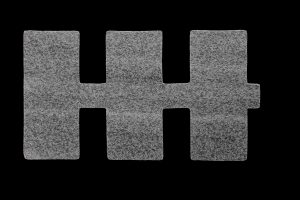
At ProFlexPack, we are committed to staying ahead of the curve in polyethylene foam packaging innovations. Our focus on integrating bio-degradable materials, lightweight solutions, and advanced multi-layer designs positions us as leaders in the industry. We understand the importance of using flexible anti-static EPE inserts to provide controlled electrostatic protection for sensitive products across various applications. By choosing ProFlexPack, businesses can ensure their packaging meets stringent safety and environmental standards while effectively protecting their valuable goods. Adopting these trends not only fosters a sustainable future but also enhances operational efficiency and market competitiveness.