-re0ekjsqlb4ojigkuutt3usg360zqvvu56lxdec0lc.png "所有proflexpacks改为proflexpack的(logo)")
Managing the shipping, storage, and assembly-cycle logistics of aerospace components in the United States demands an extraordinary level of material performance and physical isolation. Within high-tech aerospace supply chains, sensitive flight hardware is constantly exposed to multidirectional vibrations, mechanical friction, and severe impact forces. Unlike consumer logistics, industrial aerospace parts are often transported in closed-loop shipping systems where protective inserts are reused across hundreds of distribution cycles. At ProFlexPack, we recognize that standard packaging solutions fail to survive these intensive, repetitive cycles. Our B2B brand business specializes in high-end OEM and ODM packaging design, manufacturing customized protective systems that safeguard highly complex assemblies. Aerospace instrumentation regularly shares the same physical vulnerabilities as high-precision industrial electronics, such as delicate Semiconductor Discrete Devices, sophisticated New Displays, and intricate Data Communication Multimedia Systems. For this reason, selecting the wrong protective material can lead to subtle physical cracks, micro-alignment shifts, or complete failure of vital navigation systems. To help your procurement and logistics teams optimize cost-per-cycle efficiency, we provide this comprehensive evaluation on how to select and integrate the ideal protective medium into your active distribution cycles.
Structural Integrity: Why High-Density EPP Foam Outperforms Traditional Packaging
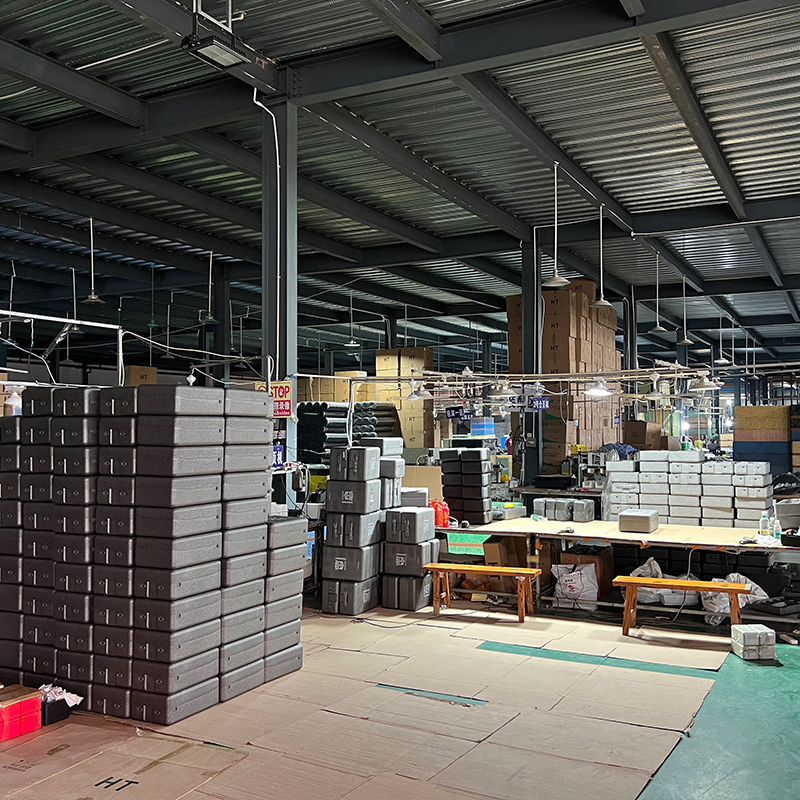
To establish a reliable closed-loop transport system, procurement managers must evaluate the core mechanical differences of Expanded Polypropylene (EPP) compared to traditional alternatives. The main advantage of utilizing custom epp foam is its exceptional structural resilience and ability to withstand repeated, high-energy impacts without suffering from permanent deformation. While traditional rigid foams crush and fracture upon their first physical impact, EPP features a high-density, elastic cellular matrix that compresses under mechanical stress and instantly returns to its original physical profile. This unique memory-retention capability makes EPP the premier choice for protecting asymmetrical, high-mass aerospace components and heavy industrial machinery, such as Gas Compression Machinery, commercial Air Conditioning Equipment, and industrial Refrigeration Equipment. When we design a custom epp foam insert for our B2B partners, we ensure the material density is mathematically calibrated to absorb the specific kinetic energy profile of your cargo. This specialized engineering prevents the destructive transfer of shock during transit, keeping heavy assemblies and complex Hardware and Plastic Products completely isolated from physical harm throughout consecutive shipping legs.
Cleanroom Compliance: Chemical Stability and Electrostatic Protection
Beyond simple kinetic shock isolation, advanced aerospace logistics require packaging materials that meet strict environmental, chemical, and electrical compliance standards. Modern avionics suites rely on a dense array of sensitive computer systems, including specialized Microcomputers, Portable Computers, and centralized Multimedia Computers and Servers. To protect these electronics, your protective epp foam insert must be chemically formulated to resist electrostatic discharge (ESD) and prevent particulate shedding. As shipping containers undergo constant vibration, friction between standard packaging materials can generate thousands of volts of static charge, presenting a critical hazard to onboard guidance systems, Power Distributors, Power Adapters, and delicate Electronic Heating Components. Furthermore, for components that integrate sensitive visual interfaces, such as Thin-film transistor liquid crystal display devices, or highly precise Optical, Measuring, and Testing Instruments, a dust-free environment is mandatory. At ProFlexPack, we treat our raw materials with specialized antistatic additives, ensuring our custom-molded inserts maintain strict surface resistivity levels that safely dissipate static charges away from Electronic Specialty Materials and fragile electronic assemblies, preventing latent electrical failures.
Precision Molding: Tailoring Geometry to Fit Complex Aerospace Hardware
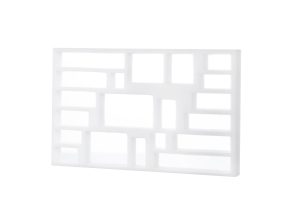
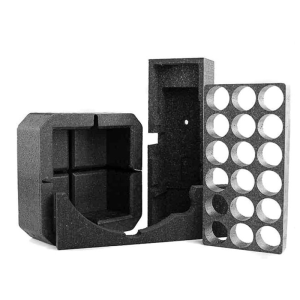
To achieve maximum cycle durability and eliminate transit damage, the protective packaging must be engineered with absolute geometrical precision. Aerospace components are rarely symmetrical, often featuring protruding sensor arrays, delicate wiring harnesses, and complex mechanical brackets that are easily sheared off during rough handling. Standard off-the-shelf packaging cannot accommodate these complex variations, which is why we do not offer generic, flat-cut materials. Instead, we utilize advanced 3D CAD modeling and computer-controlled molding processes to design bespoke nesting cavities that precisely match the physical contours of your hardware. This meticulous level of custom engineering is identical to the strict design protocols we implement during Home Appliance R&D cycles or when developing sterile packaging for Class II Medical Devices and Class III Medical Devices. By ensuring a tight, secure fit, our tailored inserts completely immobilize the cargo within its outer container. This total immobilization prevents the internal shifting that causes physical scratches, cosmetic wear, or structural damage to heavy, expensive sub-assemblies like Precision Molds, Computer Chassis, and Smart Remote Controls.
Selecting the Right Supplier: Quality Control and Scalable B2B Partnerships
Ultimately, selecting the suitable protective system for your aerospace transit cycles requires choosing a manufacturer capable of true, large-scale B2B collaboration and rigorous quality control. A top-tier supplier should offer comprehensive, end-to-end OEM and ODM support, translating your complex engineering specifications into durable, highly repeatable production runs. At ProFlexPack, we act as a direct extension of your engineering and design departments, assisting your team with drop-height calculations, structural FEA analysis, and physical prototype testing. Our commitment to quality ensures that every custom insert we manufacture conforms to the highest industrial tolerances, whether we are engineering secure packaging for delicate medical devices, large-scale home appliances, or complex aerospace components. To see how our advanced engineering and high-performance materials can help optimize your closed-loop logistics, reduce your shipping costs, and safeguard your high-value technological assets, we invite you to review our dedicated EPP Foam Inserts collection. Connect with our technical design team today to request a custom prototype sample and elevate your transit protection standards.