-re0ekjsqlb4ojigkuutt3usg360zqvvu56lxdec0lc.png "所有proflexpacks改为proflexpack的(logo)")
As technology continues to advance, the protection of electronic components against electrostatic discharge (ESD) has become a critical concern for many industries. Anti-static EPS foam inserts have emerged as an essential solution for ensuring the safe packaging of sensitive products. This guide provides a comprehensive overview of anti-static EPS foam, including its definition, conductivity types, and typical applications.
Understanding Anti-Static EPS Foam
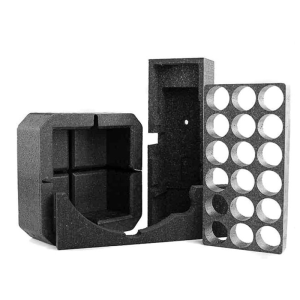
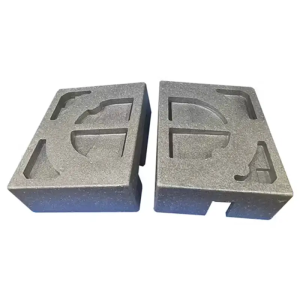
Anti-static EPS foam is a lightweight, expanded polystyrene material that has been specifically engineered to prevent the buildup of static electricity. The unique formulation of anti-static EPS foam ensures stable static control, thus safeguarding sensitive electronic components from ESD damage. These anti-static EPS foam inserts are designed to provide firm protection and high-compression strength, making them suitable for various applications, particularly those involving large electronics and precision equipment.
The beads of these foam inserts are treated with conductive agents, which allow them to dissipate static charges effectively. This feature is crucial for maintaining the integrity of electronic devices during transit and storage, ensuring they remain functional and free from damage.
Types of Conductivity in Anti-Static EPS Foam
A clear understanding of the conductivity types in anti-static EPS foam is vital for selecting the right material for specific applications. There are two primary types of conductivity associated with anti-static EPS foam:
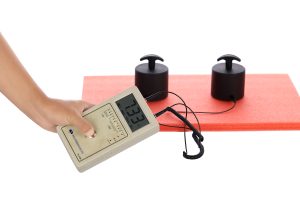
- Static Dissipative: This type of foam allows for gradual discharge of static electricity. Static dissipative anti-static EPS foam is ideal for environments where sensitive components are at risk of contact with charged surfaces. The slow release of static charges minimizes the potential for damage, making it suitable for a wide range of applications.
- Conductive: Conductive anti-static EPS foam facilitates rapid discharge of static electricity, providing immediate protection against ESD. This type of foam is commonly used in high-risk settings, such as cleanrooms and electronic manufacturing environments, where quick elimination of static is crucial to safeguard sensitive components.
Choosing between static dissipative and conductive anti-static EPS foam depends largely on the specific sensitivity of the products being protected and the operational environment.
Typical Applications of Anti-Static EPS Foam
Anti-static EPS foam inserts are utilized across various industries due to their protective qualities and versatility. Notable applications include:
Servers, Communication Machines, and Office Equipment: Protecting intricate components during shipment and storage.
Medical Diagnostic Devices and Laboratory Instruments: Ensuring essential devices remain intact and functional.
Home Appliances and Consumer Electronics: Safeguarding everyday products from ESD damage.
Precision Housings, Panels, and Fragile Surface Components: Providing cushioning for delicate parts.
Export Equipment Packaging: Ensuring secure transportation of high-value goods across long distances.
Elevating Your Packaging Strategy with ProFlexPack
At ProFlexPack, we specialize in providing high-quality anti-static EPS foam inserts that ensure safe packaging and reliable static control. Our anti-static EPS foam is engineered for applications requiring high-compression strength and structural protection, making them an ideal choice for large electronics and precision equipment.
By partnering with us, you can enhance your product safety and comply with industry standards, giving you peace of mind in an increasingly electronic world. We invite you to explore our innovative solutions and see how ProFlexPack can elevate your packaging strategy to effectively protect your valuable electronic components.