-re0ekjsqlb4ojigkuutt3usg360zqvvu56lxdec0lc.png "所有proflexpacks改为proflexpack的(logo)")
We at ProFlexPack operate as a global provider of engineered protective packaging systems and a reliable custom foam packaging supplier, supporting industries that demand high-performance cushioning and repeatable logistics durability. As global supply chains shift toward reusable, cost-efficient, and sustainability-driven solutions, material selection has become a critical decision point for industrial buyers.
Among advanced cushioning materials, EPP material has emerged as one of the most reliable options for multi-cycle logistics systems, automotive components, and precision equipment transport. However, selecting the right foam cushioning solution requires more than just choosing a material type—it demands an understanding of mechanical performance, lifecycle behavior, and application-specific engineering.
This guide explains how to evaluate EPP foam performance and what buyers should consider when selecting cushioning systems for industrial use.
Understanding EPP Material in Industrial Packaging Systems
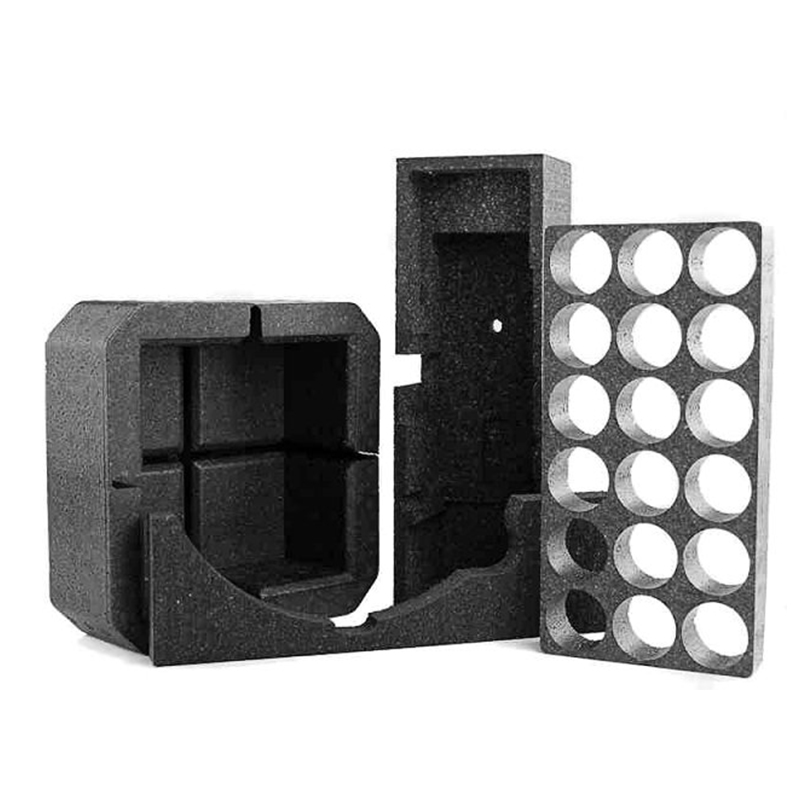
We define EPP material (expanded polypropylene) as a high-performance closed-cell foam designed for repeated impact absorption and structural stability. Unlike single-use cushioning materials, EPP is engineered for long-term durability and multi-cycle logistics environments.
We use EPP foam in applications where packaging must perform consistently over repeated handling cycles, such as returnable logistics trays, automotive module transport, and industrial equipment protection. Its ability to recover shape after compression makes it a preferred solution for closed-loop supply chains.
For business buyers, understanding this durability advantage is essential, as it directly reduces replacement costs and improves packaging lifecycle efficiency.
Why Foam Cushioning Performance Depends on Compression Recovery
One of the most important performance indicators in foam cushioning selection is compression recovery. This refers to how well the material returns to its original shape after repeated stress exposure.
We engineer our EPP foam inserts to maintain predictable tolerance levels even under thousands of compression cycles. This assures that components remain properly aligned during repeated shipping and handling operations.
In industrial logistics, poor compression recovery can lead to misalignment, surface damage, or even functional failure of sensitive components. EPP material helps eliminate these risks by maintaining structural integrity across extended use cycles.
Load-Bearing Strength vs Lightweight Efficiency in EPP Material Selection
A key challenge in packaging design is balancing strength with weight efficiency. Heavier materials increase shipping costs, while weaker materials compromise protection.
Our EPP material solutions are designed to provide high load-bearing capacity while maintaining a lightweight structure. This combination allows businesses to safely transport heavy industrial components without significantly increasing freight expenses.
We optimize foam density and internal structure to ensure that cushioning performance remains stable even under heavy loads. This is particularly important in automotive and machinery supply chains, where components often exceed standard packaging weight thresholds.
Thermal, Chemical, and Oil Resistance in Industrial Applications
Industrial logistics environments often expose packaging materials to temperature fluctuations, oils, and chemical agents. Standard foam materials may degrade or lose performance under these conditions.
We design EPP-based foam cushioning systems that maintain stability under temperatures up to 100–120°C. This thermal resistance makes them suitable for automotive manufacturing environments and industrial machinery logistics.
In addition, EPP material offers strong resistance to industrial oils and chemicals, ensuring that packaging does not degrade or contaminate sensitive components. This is especially valuable in environments where parts move directly from production lines into packaging systems.
Surface Protection and Precision Fit for Sensitive Components
Surface integrity is a major concern for precision components, coated parts, and polished industrial surfaces. Even minor abrasion during transport can lead to costly quality issues.
We design EPP foam inserts with a low-friction surface structure that minimizes contact damage and reduces wear during movement. This assures that delicate surfaces remain intact throughout transportation and handling cycles.
In addition, our precision molding capabilities allow us to create exact-fit cavities based on 3D product data. This prevents internal movement and assures stable positioning, even under vibration-heavy logistics conditions.
Designing Reusable Logistics Systems with EPP Material
Modern supply chains are increasingly shifting toward reusable packaging systems to reduce cost and environmental impact. EPP material is particularly well-suited for these applications due to its long-cycle durability and shape retention capabilities.
We develop EPP foam inserts for reusable logistics trays used in automotive modules, industrial components, and precision equipment transport systems. These trays are designed to withstand repeated loading cycles without deformation.
By extending packaging lifespan across multiple shipping cycles, businesses can significantly reduce packaging waste and improve total cost efficiency over time.
Engineering Standards, Quality Control, and Global Reliability
We maintain strict quality systems aligned with ISO 9001 and ISO 14001 standards to ensure consistent production performance across all EPP-based packaging solutions. Each product undergoes controlled manufacturing and testing to verify mechanical strength, compression behavior, and dimensional stability.
Our foam cushioning solutions are validated for industrial use cases, ensuring reliable performance in real-world logistics conditions. This includes vibration testing, load simulation, and long-cycle compression verification.
For global buyers, this consistency is essential for maintaining standardized packaging performance across multiple regions and supply chain partners.
Building Smarter Packaging Strategies with ProFlexPack EPP Solutions
At ProFlexPack, we believe that packaging is not just a protective layer but a strategic logistics asset. Our engineering approach to EPP material focuses on durability, reusability, and precision fit design to support long-term industrial applications.
We work closely with clients to develop customized foam cushioning systems that match specific product geometries and supply chain requirements. From automotive modules to industrial machinery components, our solutions are built to perform under demanding global logistics conditions.
Through high load-bearing performance, long-cycle compression resistance, thermal and chemical stability, and precision engineering, we help businesses transition toward more efficient and sustainable packaging systems.
By integrating advanced EPP material design with industrial customization capabilities, we enable companies to reduce lifecycle costs, improve logistics reliability, and build scalable reusable packaging systems for global operations.