-re0ekjsqlb4ojigkuutt3usg360zqvvu56lxdec0lc.png "所有proflexpacks改为proflexpack的(logo)")
Efficient void fill solutions are essential for protecting products during transit while optimizing costs and operational workflows. We often see businesses choosing between inflatable airbags and foam-based materials, each offering distinct advantages. Understanding the differences helps companies select the most suitable solution for their packaging strategy, especially when dealing with fragile or static-sensitive goods.
Protection Performance: Cushioning vs. Stability
Inflatable airbags serve as a lightweight void-fill medium for high-volume logistics. They work by filling empty spaces in cartons, preventing items from shifting during transportation. However, inflatable solutions lack the structural damping of EPE foam; they are susceptible to pressure-induced deflation and punctures during extended transit cycles, which compromises load stability.
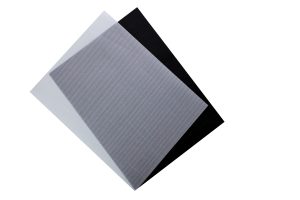
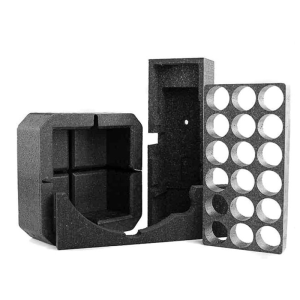
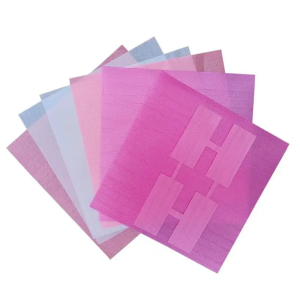
By contrast, foam sheets for packaging deliver consistent and reliable protection. Their structure absorbs shocks and vibrations more effectively, making them ideal for fragile or high-value items. Our anti-static foam sheets further enhance protection by preventing electrostatic discharge, which is critical for electronics and precision components. This dual functionality—mechanical cushioning and ESD protection—gives foam a clear advantage in sensitive applications.
Operational Efficiency and Customization
Airbags are suitable for high-volume operations requiring minimal pre-use storage volume and rapid deployment. However, airbags offer limited geometric adaptability for complex components.
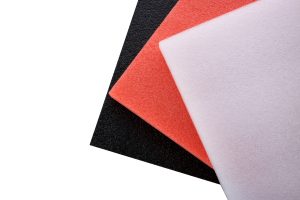
We design foam sheets for packaging with flexibility in mind. As a custom foam sheet supplier, we provide tailored thickness, density, color, and sheet sizes to match specific product requirements. This allows businesses to create precise packaging solutions that reduce material waste and improve packing efficiency. Additionally, our anti-static foam sheets can be fabricated into inserts or layered systems, offering a more integrated approach compared to loose-fill airbags.
Cleanliness, Weight, and Industry Applications
Airbags are lightweight and help reduce shipping costs, but they may not meet cleanliness standards required in certain industries. Dust, static buildup, or material degradation can be concerns in controlled environments.
Our anti-static foam sheets feature a clean, non-dusting surface, making them suitable for cleanrooms and electronic packaging lines. EPE foam sheets provide a high strength-to-weight ratio, offering structural support and repeated impact recovery that inflatable solutions lack.
Making the Right Choice for Your Business
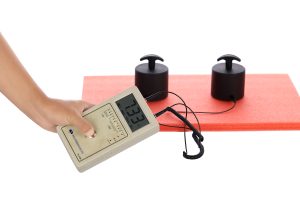
Selecting between airbags and foam depends on your product type, handling conditions, and protection requirements. For lightweight, low-risk shipments, airbags may offer a cost-effective void fill option. However, when product safety, customization, and electrostatic protection are priorities, foam sheets for packaging—especially anti-static foam sheets—provide reliable mechanical damping and stable surface resistivity.
We at ProFlexPack specialize in high-performance anti-static laminated EPE solutions designed for modern supply chains. With customizable specifications and cleanroom-compatible materials, we help businesses achieve reliable protection and operational efficiency. By choosing ProFlexPack, we ensure your packaging not only fills space but actively safeguards your products at every stage of the journey.