-re0ekjsqlb4ojigkuutt3usg360zqvvu56lxdec0lc.png "所有proflexpacks改为proflexpack的(logo)")
Precision components used in electronics, telecom infrastructure, and industrial instrumentation demand packaging solutions that maintain structural stability across long storage cycles and multi-stage transportation environments. When products are repeatedly handled, stacked in warehouses, and shipped across long distances, material fatigue and loss of cushioning performance become critical failure points.
At ProFlexPack, we design advanced protective packaging systems as a global provider and reliable custom foam packaging supplier. We help industries improve product safety, reduce logistics risk, and support global distribution through engineered cushioning solutions tailored for high-value applications.
In this context, understanding whether advanced materials like EPP outperform traditional PE foam is essential for streamlining long-term protection strategies in precision manufacturing supply chains.
Understanding EPP Foam Material Properties in Precision Protection
The discussion around EPP foam material properties often centers on its structural resilience and long-term stability under repeated stress conditions. Expanded Polypropylene (EPP) is a closed-cell bead foam known for its excellent energy absorption and recovery characteristics, making it suitable for demanding industrial environments.
Unlike conventional cushioning materials, EPP maintains its shape even after multiple compression cycles. This allows packaging systems to be reused across logistics loops without significant degradation in protective performance, which is critical for export-oriented precision components.
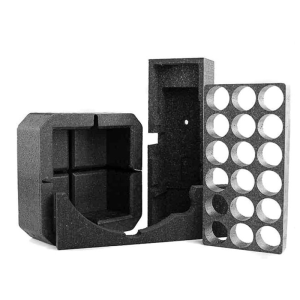
At ProFlexPack, we engineer EPP-based solutions to support applications where dimensional accuracy and impact resistance are equally important, ensuring that sensitive components remain stable during storage, handling, and transport.
Limitations of Traditional PE Foam in Long-Term Industrial Use
Polyethylene (PE) foam has been widely used in packaging due to its lightweight structure and cost efficiency. However, when exposed to repeated mechanical stress, PE foam tends to lose elasticity over time, resulting in reduced cushioning effectiveness.
In long-term warehouse stacking and multi-shipment cycles, PE foam may exhibit compression set, meaning it does not fully recover its original shape after impact. This gradual deformation can lead to reduced protection for precision components, especially in multi-layer packaging systems.
For industries handling high-value electronics or calibrated instruments, this limitation increases the risk of micro-damage during transit. As logistics complexity increases, the need for more resilient alternatives becomes more pronounced.
Why Anti-Static EPP foam inserts Improve ESD-Controlled Logistics
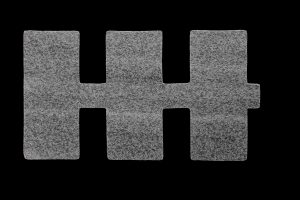
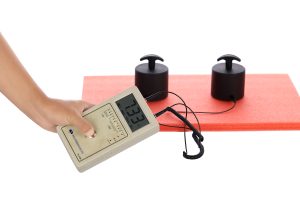
The use of anti-static EPP foam inserts plays a critical role in environments where electrostatic discharge control is essential. Precision electronic modules, server systems, and telecom equipment are particularly sensitive to static buildup during handling and transportation.
Our anti-static EPP foam inserts are designed to provide stable resistance ranges that effectively dissipate electrostatic charges in controlled logistics environments. This assures safe handling across assembly lines, warehouse operations, and long-distance export channels.
In addition to electrostatic protection, these inserts offer high-resilience structural support and compression resistance, making them suitable for multi-layer stacking systems. Rigorous drop and vibration testing assures consistent performance in mass production environments, reducing failure rates in real-world logistics conditions.
Certified Standards and Reliable Performance in Global Supply Chains
Industrial packaging for precision components must meet strict international compliance requirements. Our EPP solutions are manufactured in alignment with major global standards, including ISO quality systems and environmental regulations such as RoHS and REACH.
These certifications ensure that materials used in packaging are environmentally compliant and safe for global distribution. At the same time, performance validation through drop and vibration testing assures that packaging systems maintain integrity under repeated handling stress.
EPP foam structures provide high-resilience support, allowing them to withstand compression during multi-layer stacking without losing protective capability. This makes them particularly suitable for automated warehousing systems and high-density logistics operations where load stability is essential.
Application Scenarios in Precision and High-Value Industries
The advantages of EPP-based protection are most evident in industries where product failure is not an option. Server and telecom equipment manufacturers rely on stable packaging to prevent internal board damage during transit and installation cycles.
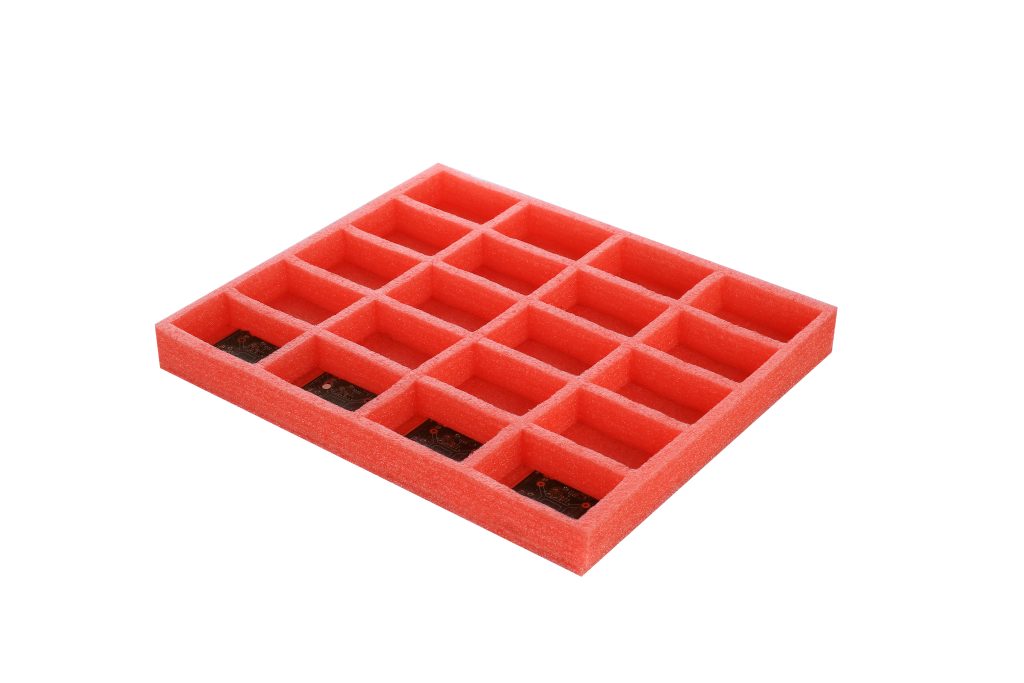
Precision instrument trays and calibration devices also require consistent cushioning performance to avoid deviations caused by mechanical shock. In these applications, EPP’s ability to maintain structural integrity provides a significant advantage over conventional foam materials.
High-value electronics and export packaging operations benefit from the reusable nature of EPP systems, reducing long-term packaging costs while maintaining consistent protection across multiple shipments and handling cycles.
Why EPP-Based Protection is Becoming the Industry Standard
The shift toward EPP-based packaging solutions reflects a broader demand for durability, sustainability, and precision in global logistics. While traditional PE foam remains suitable for short-term applications, it struggles to meet the performance expectations of modern multi-stage supply chains.
We at ProFlexPack have observed increasing demand for engineered systems that combine structural resilience with electrostatic control, particularly in electronics and industrial automation sectors. The superior recovery performance and compression resistance of EPP make it a strong candidate for long-term protective applications.
As a result, more manufacturers are transitioning toward EPP-based designs to ensure consistent product safety, reduced return rates, and improved warehouse efficiency.
By integrating advanced material engineering with application-specific design, we continue to deliver solutions that align with evolving industrial requirements while supporting global clients in streamlining their logistics performance.
Through our expertise as a foam packaging specialist, we remain committed to advancing protective packaging technologies that deliver reliability, precision, and long-term value across international supply chains.
ProFlexPack continues to provide tailored consultation, free sample evaluation, and customized engineering support to help clients implement high-performance packaging systems designed for real-world operational challenges.