-re0ekjsqlb4ojigkuutt3usg360zqvvu56lxdec0lc.png "所有proflexpacks改为proflexpack的(logo)")
The protection of delicate instruments from vibrations and electrostatic discharge (ESD) is a critical concern for industries that rely on precision equipment. Selecting the right type of foam for packaging can significantly impact the integrity of sensitive components during transport and storage. Two popular options are anti-static EPE foam and EPP foam, each with unique advantages for anti-vibration protection. Understanding their differences can guide businesses in choosing the most suitable solution for their needs.
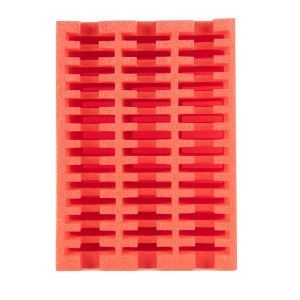
The Role of Anti-Static EPE Foam in Vibration Protection
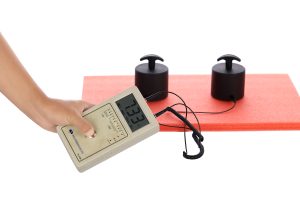
Anti-static ESD EPE foam is engineered specifically for static-controlled applications. Its flexible nature makes it ideal for accommodating various shapes and sizes of electronic components. One of its key benefits is its ability to prevent electrostatic discharge damage to sensitive electronic interfaces, such as IC pins, connectors, flexible circuits, optical sensors, and precision modules. This protective feature is particularly important in industries where static electricity can lead to costly damage or malfunction of precision instruments.
Another advantage of anti-static EPE foam lies in its low-friction electrostatic characteristics, which minimize charge generation during insertion and removal processes. This quality is particularly beneficial in assembly line workflows, where repetitive actions may otherwise contribute to static buildup. By utilizing anti-static EPE foam, manufacturers can ensure a safer handling environment for sensitive equipment, thus enhancing overall operational efficiency.
EPP Foam: A Durable Alternative for Anti-Vibration Needs
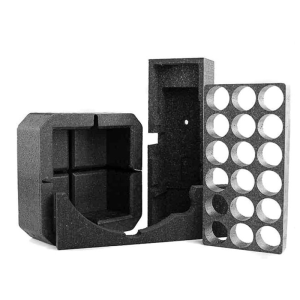
On the other hand, EPP foam is renowned for its long-cycle durability and dimensional stability, making it a robust option for protecting precision instruments. While EPP foam does not have the same anti-static properties as anti-static EPE foam, it excels in applications requiring excellent shock absorption and recovery from repeated compression—key attributes when it comes to anti-vibration protection.
EPP foam’s structural integrity allows it to perform effectively in high-impact scenarios, protecting valuable instruments from vibrations during transport. Although it may require additional anti-static treatments to manage electrostatic concerns, its resilience is unmatched among cushioning materials, particularly in demanding environments.
Finding the Right Solution for Your Needs
When deciding between anti-static EPE foam and EPP foam for precision instrument protection, several factors must be considered. If your primary concern is safeguarding against electrostatic discharge, anti-static EPE foam is the way to go. However, if vibration protection and long-term durability are paramount, EPP foam presents a strong case.
At ProFlexPack, we understand the intricacies of packaging solutions for sensitive equipment. Our range of anti-static EPE inserts offers reliable protection across diverse industries, ensuring that your precision instruments remain safe from both vibrations and electrostatic damage. By collaborating with us, you can optimize your product protection strategy and enhance your operational performance.
We invite you to reach out to discuss how our tailored foam solutions can meet your specific needs in anti-vibration protection and safeguard your valuable equipment effectively.