-re0ekjsqlb4ojigkuutt3usg360zqvvu56lxdec0lc.png "所有proflexpacks改为proflexpack的(logo)")
Electrostatic discharge remains one of the most overlooked risks in global electronics logistics, yet it can silently destroy sensitive components during storage, handling, or international transport. At ProFlexPack, we design protective packaging systems that help manufacturers eliminate these risks while improving supply chain reliability.
As a global provider of industrial packaging systems, we focus on delivering engineered foam protection for static-sensitive environments. Among the most frequently compared materials are anti-static EPE foam and conductive foam. Both are widely used in electronics packaging, but they function differently and serve distinct engineering purposes.
This article provides a technical comparison to help business buyers understand which material better supports electrostatic shielding in real-world applications.
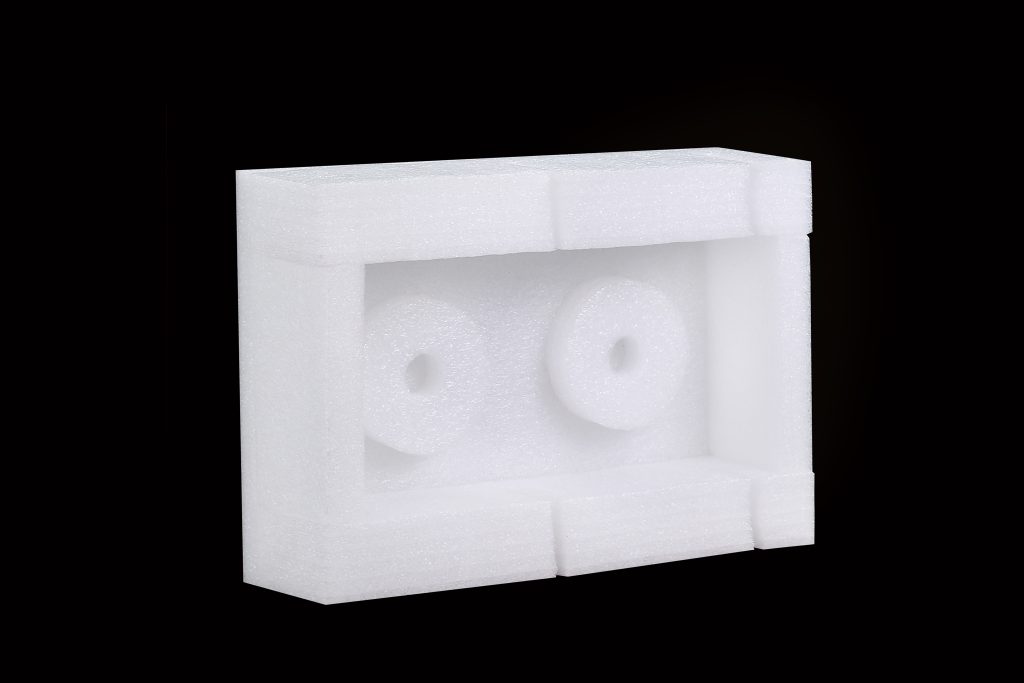
Understanding Anti-Static EPE Foam and ESD EPE Foam Performance
Anti-static materials are designed to reduce or dissipate static charge buildup before it reaches a damaging level. In this category, anti-static EPE foam and ESD EPE foam are commonly used interchangeably in industrial packaging systems.
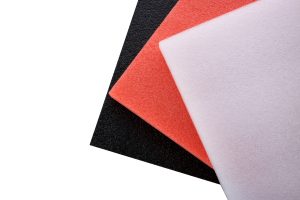
We at ProFlexPack produce ESD EPE foam with controlled resistance properties that ensure stable charge dissipation. Unlike conventional cushioning materials, it prevents triboelectric charging during friction and handling.
Our anti-static EPE foam solutions are engineered for non-dusting, low-friction performance, making them suitable for cleanroom and precision electronics environments where contamination control is essential.
What Is Conductive Foam in Electrostatic Protection Systems
Conductive foam operates on a different principle compared to anti-static materials. Instead of preventing charge buildup, it actively conducts electricity through a continuous conductive network, typically using carbon or metal-infused structures.
This allows conductive foam to quickly transfer static charges to ground points when properly integrated into a grounded packaging system. It is often used in direct-contact shielding for highly sensitive semiconductor components.
However, conductive foam requires careful grounding conditions to function effectively, which can limit its flexibility in general logistics environments where grounding is not guaranteed.
Electrostatic Shielding Mechanism: Dissipation vs. Conduction
The key difference between anti-static EPE foam and conductive foam lies in how they manage electrostatic energy. Anti-static materials reduce charge generation at the surface level, while conductive foams rely on rapid electrical transfer.
Our ESD EPE foam provides controlled surface resistance that slows down static accumulation, making it safer for multi-stage handling environments. This is particularly important in international shipping where grounding conditions are inconsistent.
Conductive foam offers faster discharge but depends heavily on system-level grounding. Without proper setup, its shielding performance can become unpredictable in global logistics scenarios.
Performance in Electronics and Precision Industries
Electrostatic protection requirements vary across industries such as static-sensitive electronics, PCB assemblies, optical modules and cameras, semiconductor components, medical electronics, and precision instrumentation.
We design anti-static EPE foam inserts specifically for these industries to ensure stable cushioning and consistent electrostatic protection. The material is non-dusting and low-friction, reducing contamination risks in sensitive environments.
Our solutions undergo rigorous drop and vibration testing to ensure that ESD EPE foam maintains structural integrity and protective performance during mass production and global distribution.
Manufacturing Stability and Certified Compliance Standards
Consistency is essential in business packaging systems, especially when dealing with high-value electronics. Batch-to-batch variation can lead to unpredictable electrostatic behavior, which increases failure risks during transport.
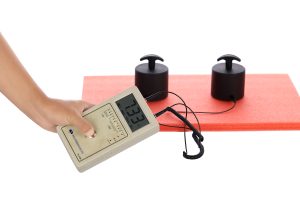
At ProFlexPack, every batch of ESD EPE foam undergoes resistance testing to ensure stable anti-static performance. This eliminates fluctuations commonly found in lower-grade foams and assures reliable long-term usage.
Our materials also comply with SGS, RoHS, REACH, and MSDS standards, ensuring alignment with environmental and safety regulations across Europe, the United States, and Australia.
System Compatibility in Real-World Packaging Applications
Modern electronics packaging requires compatibility with multiple protective layers. Anti-static and conductive materials are rarely used alone; instead, they function within integrated systems.
Our anti-static EPE foam solutions are fully compatible with ESD bags, conductive trays, shielded packaging, and cleanroom materials. This makes them suitable for modular packaging systems used in global supply chains.
Conductive foam also integrates well in shielding systems but often requires stricter grounding alignment, which may limit its adaptability in mixed logistics environments.
Selecting the Right Foam for Global Shipping Environments
Choosing between anti-static EPE foam and conductive foam depends on the level of electrostatic risk and the complexity of the shipping environment. For controlled factory or grounded assembly environments, conductive foam can provide fast discharge protection.
However, for international logistics, multi-stage handling, and unpredictable environmental conditions, ESD EPE foam offers a more stable and adaptable solution. Its ability to reduce charge generation without requiring grounding makes it highly practical for global shipments.
We recommend evaluating both material behavior and supply chain conditions before selecting a final solution to ensure optimal protection performance.
Final Perspective on Electrostatic Shielding Choice
Electrostatic protection is not a one-size-fits-all decision. It requires a balance between conductivity, stability, environmental adaptability, and packaging system integration.
At ProFlexPack, we focus on delivering engineered solutions that prioritize real-world logistics performance. Our anti-static EPE foam and ESD EPE foam systems are designed for reliability across global supply chains, supported by rapid 72-hour CAD prototyping, certified material quality, and rigorous mechanical testing.
While conductive foam remains valuable in specialized grounded environments, ESD EPE foam offers broader applicability for international shipping and diverse handling conditions. By combining stable batch performance, compliance certification, and system compatibility, we help businesses build safer and more efficient electrostatic protection strategies for global expansion.