-re0ekjsqlb4ojigkuutt3usg360zqvvu56lxdec0lc.png "所有proflexpacks改为proflexpack的(logo)")
Efficient logistics and warehousing operations depend heavily on packaging systems that can protect products while supporting smooth handling and repeated circulation. In industries such as automotive manufacturing, machinery, electronics, and precision equipment, packaging materials must withstand demanding transport environments without compromising product safety or operational efficiency.
As reusable logistics systems continue to expand, many manufacturers are adopting epp material solutions to improve durability and reduce long-term packaging costs. At ProFlexPack, customized epp foam insert systems are developed to support stable product protection, reusable transport performance, and consistent packaging quality across industrial supply chains.
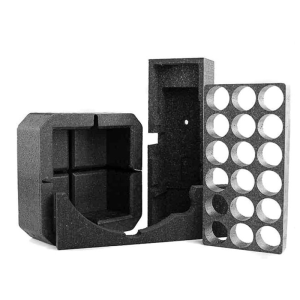
Match the EPP Foam Insert Design to Product Requirements
Successful packaging integration begins with selecting the appropriate insert structure for the product being transported. Different components require different levels of cushioning, surface protection, and load-bearing support depending on their size, weight, and fragility.
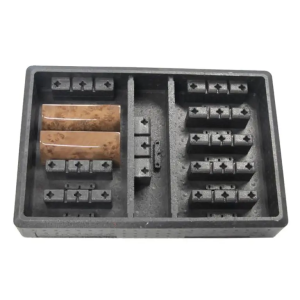
An engineered epp foam insert should hold components securely in place while reducing movement during transportation and storage. This is especially important for coated, polished, or precision-machined parts that may be affected by abrasion or vibration.
The low-friction surface of epp material helps minimize surface wear during repeated handling cycles. At ProFlexPack, insert geometries are customized according to product dimensions and logistics conditions, allowing packaging systems to support both protection and handling efficiency.
Properly designed inserts also improve warehouse organization by maintaining consistent product positioning inside trays, cartons, or reusable containers.
Optimize Reusable Packaging Workflows
One of the major advantages of epp material is its suitability for reusable logistics systems. Unlike disposable packaging materials, a reusable epp foam insert can maintain structural stability over multiple transport cycles, helping companies reduce per-cycle packaging costs.
Integrating reusable packaging into warehousing operations requires careful consideration of storage, return logistics, and handling procedures. Packaging inserts should be durable enough to withstand repeated compression, stacking, and transport conditions without significant deformation.
At ProFlexPack, reusable packaging systems are engineered for long-cycle use in closed-loop logistics programs. The lightweight structure of epp material also helps reduce transportation weight while maintaining strong load-bearing performance for industrial components.
By standardizing reusable packaging layouts, companies can improve handling consistency and simplify product movement across warehouses and production facilities.
Consider Environmental and Operational Conditions
Logistics environments often expose packaging materials to heat, oils, chemicals, and varying storage conditions. Packaging performance must remain stable under these operational demands to ensure reliable product protection.
An epp foam insert designed for industrial use should maintain its mechanical performance under elevated temperatures and exposure to industrial substances. ProFlexPack develops packaging systems using epp material that performs reliably at temperatures up to approximately 100–120°C while resisting oils and chemicals commonly found in automotive and machinery environments.
Consistent manufacturing quality is also important for long-term logistics programs. Controlled density production and REACH/RoHS-compliant processes help maintain stable packaging performance across production batches, supporting predictable operational results for OEM supply chains.
Building More Reliable Reusable Packaging Systems
As logistics and warehousing operations become increasingly focused on efficiency and sustainability, reusable packaging systems continue to play a larger role in industrial supply chains. Packaging materials must provide long-term durability while supporting safe handling and organized transport operations.