-re0ekjsqlb4ojigkuutt3usg360zqvvu56lxdec0lc.png "所有proflexpacks改为proflexpack的(logo)")
Packaging foam plays an important role in protecting products during storage, handling, and transportation. Different industries require different foam materials depending on product sensitivity, weight, environmental conditions, and logistics requirements. Electronics manufacturers, automotive suppliers, medical device producers, and industrial equipment companies often rely on engineered foam solutions to reduce vibration, impact, and electrostatic risks throughout the supply chain.
At ProFlexPack, packaging systems are developed according to specific application requirements rather than using a single material for all products. From cushioning protection to electrostatic control, selecting the correct foam material helps improve packaging reliability and operational efficiency. In many applications, anti static foam sheets and customized insert structures are essential for protecting precision components and supporting stable logistics performance.
Common Foam Materials Used in Industrial Packaging
Several foam materials are widely used across industrial packaging applications. Expanded polyethylene (EPE) foam is commonly selected for its lightweight structure, cushioning performance, and cost efficiency. Expanded polypropylene (EPP) foam is often used in reusable transport systems because of its durability and long-cycle compression resistance.
Polyurethane foam may be used for softer cushioning applications, while EVA foam is frequently selected when additional flexibility or surface protection is required. The choice of material depends on factors such as product fragility, shipment frequency, and environmental exposure.
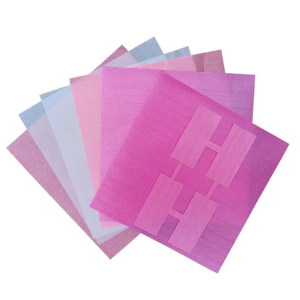
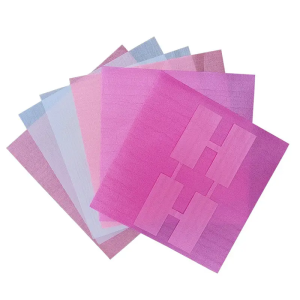
For sensitive electronic products, anti static foam sheets are particularly important because they combine cushioning protection with electrostatic control. These materials help reduce static accumulation that may damage integrated circuits, connectors, optical sensors, and PCB assemblies during handling or transport.
At ProFlexPack, material selection is based on the operational requirements of each custom foam package to ensure both physical protection and logistics efficiency.
Why Anti-Static Foam Is Important for Electronics Packaging
Electronic components are highly vulnerable to electrostatic discharge during storage and transportation. Even small static charges generated through friction or packaging contact may affect product reliability or damage sensitive interfaces.
Anti static foam sheets are designed to dissipate electrostatic charges gradually instead of allowing sudden discharge events. ProFlexPack uses anti-static laminated EPE foam sheets with bonded ESD film surfaces to provide more stable and consistent surface resistivity compared with standard anti-static materials.
This structure helps maintain reliable electrostatic protection for electronics manufacturing, export packaging, and component handling environments. In addition, the foam provides dependable cushioning performance that reduces vibration and impact risks during shipping operations.
Because many electronics products move through multiple handling stages before final assembly or installation, integrating anti static foam sheets into a custom foam package can improve both product safety and operational consistency.
Choosing the Right Custom Foam Package for Different Applications
Packaging requirements vary significantly between industries and product types. Heavy industrial components may require stronger compression resistance, while medical devices or optical assemblies often need cleaner and more precise cushioning structures.
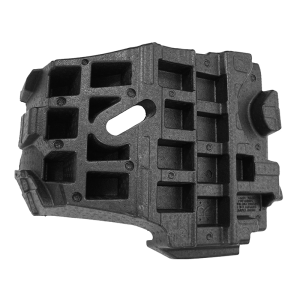
A properly engineered custom foam package should support stable product positioning, reduce unnecessary movement, and optimize packaging efficiency within transport containers or storage systems.
At ProFlexPack, foam packaging systems are customized according to product geometry, environmental requirements, and logistics conditions. Packaging layouts can be designed to improve handling efficiency while supporting organized product placement during warehousing and shipment processes.
For export-oriented industries, consistent foam quality and reliable electrostatic performance are also important for meeting operational and compliance expectations across global supply chains.
Supporting Safer and More Efficient Packaging Operations
Selecting the appropriate foam material is an important part of protecting products throughout transportation and storage. Cushioning performance, electrostatic protection, durability, and structural precision all contribute to packaging reliability.