-re0ekjsqlb4ojigkuutt3usg360zqvvu56lxdec0lc.png "所有proflexpacks改为proflexpack的(logo)")
Modern electronics manufacturing and global logistics depend heavily on precise electrostatic control to protect sensitive components from damage during handling and transportation. At ProFlexPack, we engineer advanced protective packaging systems that combine material science with practical industrial applications to meet these demands.
Among the most widely used solutions are dissipative packaging materials based on EPE foam technology. These systems are designed to regulate surface resistance and safely dissipate electrostatic charges, reducing the risk of component failure. Our expertise in anti-static foam sheets and EPE anti-static foam sheet production enables us to support industries that require high-precision electrostatic protection.
This article explores the science behind dissipative packaging and explains how EPE controls surface resistance in real-world applications.
Understanding Surface Resistance in ESD Protection Systems
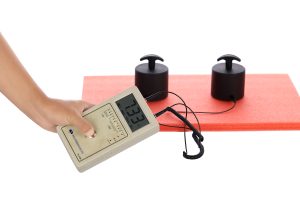
Surface resistance is a key parameter in electrostatic discharge (ESD) control. It determines how quickly electrical charges move across a material’s surface and whether they are safely dissipated or allowed to accumulate.
We design packaging materials that maintain controlled surface resistance within the dissipative range, typically between 10⁶ and 10⁹ ohms. This range assures that static charges are released gradually rather than discharged abruptly, protecting sensitive electronic components.
Our anti-static foam sheets are engineered specifically to maintain this balance, making them suitable for electronic assembly environments and precision packaging systems.
The Role of EPE in Dissipative Packaging Science
Expanded Polyethylene (EPE) is widely used in industrial packaging due to its lightweight structure, elasticity, and cushioning performance. However, its role in electrostatic protection becomes especially important when modified for dissipative properties.
We at ProFlexPack utilize EPE as the structural core in our EPE anti-static foam sheet solutions. The foam’s closed-cell structure provides strong impact absorption while supporting surface modification layers that control electrostatic behavior.
This combination allows EPE to function both as a mechanical cushioning material and as a controlled electrostatic dissipation medium, making it ideal for electronics and precision industries.
How Anti-Static Film Layers Regulate Surface Behavior
Dissipative packaging is not achieved through foam alone. It requires a functional surface layer that actively manages charge movement. This is typically achieved by laminating an ESD film onto the foam surface.
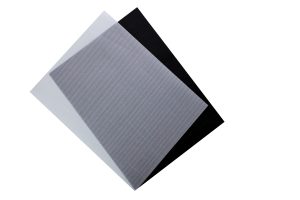
Our anti-static foam sheets feature a specialized ESD-film layer that stabilizes surface resistivity and improves abrasion resistance. This layer assures that electrostatic charges are distributed evenly across the surface and dissipated safely into the environment.
By combining EPE foam with an engineered conductive film, we achieve stable and repeatable electrostatic performance across production batches.
Achieving Stable Dissipative Resistivity (10⁶–10⁹ Ω)
One of the most important performance indicators in dissipative packaging is resistivity stability. Materials that fluctuate outside the controlled range can either accumulate static or discharge too quickly, both of which pose risks to sensitive components.
Our EPE anti-static foam sheet solutions are engineered to maintain stable dissipative resistivity between 10⁶ and 10⁹ ohms. This range is ideal for anti-static foam for electronics used in assembly environments, handling trays, and export packaging systems.
We ensure consistency through strict production controls and batch-to-batch resistance testing, minimizing variability that can occur in lower-grade materials.
Mechanical Cushioning and Impact Energy Distribution
While electrostatic protection is critical, mechanical protection remains equally important in packaging design. Electronic components often face vibration, compression, and impact during transportation and handling.
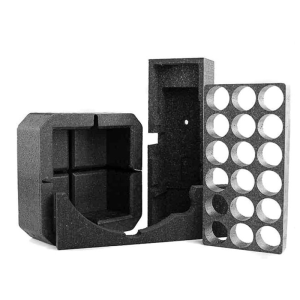
The EPE core in our custom foam package systems provides strong cushioning performance by absorbing and distributing impact energy evenly across its structure. This prevents localized stress that could damage delicate components such as PCB assemblies, optical instruments, and communication modules.
We design foam geometries that align with product shapes to maximize protective efficiency while minimizing material waste.
Surface Durability and Extended Service Life
Industrial packaging materials must maintain performance over repeated use and extended storage periods. Surface degradation can reduce electrostatic control effectiveness and compromise packaging reliability.
Our anti-static foam sheets are enhanced with durable ESD-film coatings that improve abrasion resistance and extend product lifespan. This assures that the electrostatic properties remain stable even after repeated handling in production environments.
The reinforced surface layer also reduces wear during automated packaging processes, making it suitable for high-volume manufacturing operations.
Cleanroom Compatibility and Lightweight Design
Cleanroom environments require materials that do not generate dust or particulate contamination. At the same time, packaging materials must remain lightweight to support efficient handling and logistics operations.
Our EPE anti-static foam sheet products are designed with a non-dusting surface structure that is suitable for cleanroom use. The lightweight nature of EPE also reduces shipping costs and improves handling efficiency across global supply chains.
This combination makes our solutions ideal for electronics manufacturing, precision assembly, and export-grade protective interlayer packaging.
Customization for Industrial Packaging Systems
Different industries require different levels of protection depending on product sensitivity, geometry, and logistics conditions. Standard foam solutions often fail to meet these complex requirements.
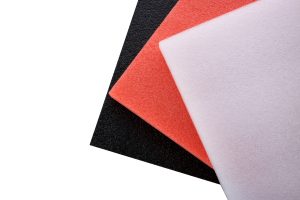
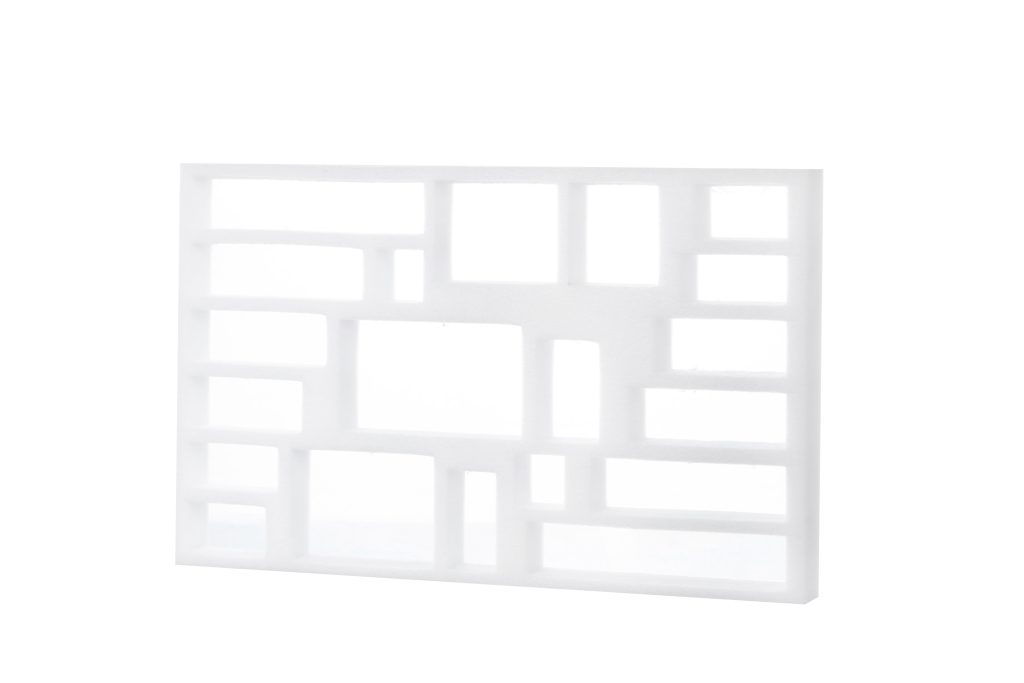
As a custom foam sheet supplier, we provide tailored specifications including thickness, density, color, and sheet sizing. This allows manufacturers to integrate anti-static foam sheets directly into their production and packaging workflows.
Our customization capabilities ensure that every EPE anti-static foam sheet solution aligns with specific industrial requirements, from workstation handling to final export packaging.
Integrated Applications in Electronics and Precision Industries
Dissipative packaging plays a vital role in multiple high-tech industries where electrostatic sensitivity is a constant concern. These include electronic components, PCB assemblies, communication modules, optical instruments, and precision parts.
We design our anti-static foam sheets to function across these diverse applications, ensuring consistent protection during assembly, storage, and international transportation. The materials are also widely used in protective interlayer packaging systems that safeguard products during multi-stage logistics processes.
Conclusion: The Science-Driven Future of Dissipative Packaging
Dissipative packaging is a precise engineering discipline that combines material science, surface chemistry, and mechanical design to protect sensitive electronics from electrostatic damage. At ProFlexPack, we focus on transforming these scientific principles into practical, high-performance packaging solutions.
Our EPE anti-static foam sheet systems are engineered to maintain stable surface resistance, provide reliable cushioning, and ensure long-term durability across demanding industrial environments. By integrating advanced ESD film technology with high-quality EPE foam structures, we deliver anti-static foam sheets that meet the evolving needs of global electronics manufacturing.
As industries continue to advance toward higher precision and greater sensitivity, we remain committed to developing custom foam package solutions that combine electrostatic safety, mechanical protection, and global compliance into a single, reliable system.