-re0ekjsqlb4ojigkuutt3usg360zqvvu56lxdec0lc.png "所有proflexpacks改为proflexpack的(logo)")
When electronic assemblies, optical instruments, or precision parts travel across supply chains, even minor electrostatic discharge can cause immediate circuit failure or latent semiconductor degradation. We at ProFlexPack have seen firsthand how undetected electrostatic damage ruins components, drives up rework costs, and delays shipments. That is precisely why we developed our anti-static laminated EPE sheets—a proven solution for industries that cannot afford static-related risks. In this article, we explain what anti-static foam sheets are, how they work, and why they have become indispensable for export-grade protective packaging.
What Are Anti-Static Foam Sheets?
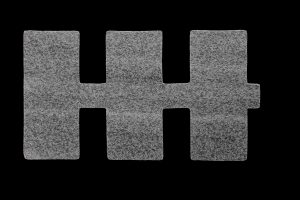
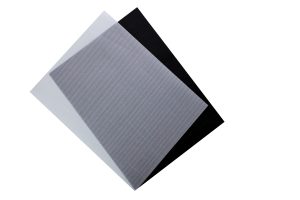
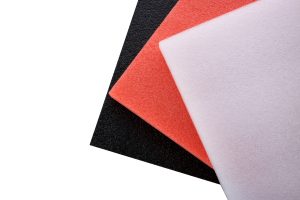
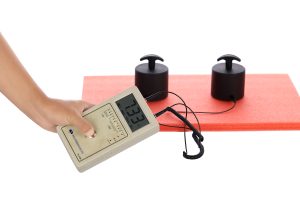
Anti-static foam sheets are lightweight, resilient packaging materials engineered to prevent electrostatic discharge (ESD) from damaging sensitive products. Our version starts with expanded polyethylene (EPE) foam—a closed-cell material known for its cushioning strength, moisture resistance, and non-abrasive surface. What makes these sheets “anti-static” is an enhanced ESD film layer laminated onto the foam. This layer modifies the surface resistivity so that static charges dissipate slowly and safely rather than accumulating and discharging into a component.
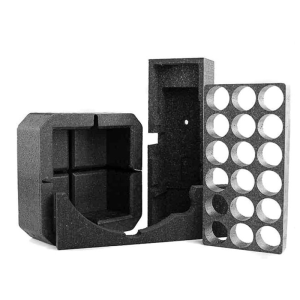
These foam sheets for packaging are not one-size-fits-all. We offer custom thickness, density, and sheet sizing, allowing you to line boxes, wrap individual PCBs, or create interlayers for stacked optical instruments. They serve target industries ranging from communication modules and PCB assemblies to precision parts and export-grade protective interlayer packaging. Because they are certified RoHS and REACH compliant, you can use them confidently in global supply chains.
How Do Anti-Static Foam Sheets Actually Work?
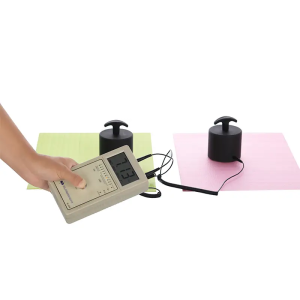
The functionality of anti-static foam sheets is based on controlled charge dissipation. Static electricity builds up when two materials rub together—a process called triboelectric charging. Standard foam can generate or hold a charge, turning it into a hazard. Our laminated EPE sheets work by providing a controlled path for charge dissipation. The ESD film layer has a surface resistivity typically between 10⁶ and 10⁹ ohms, which is high enough to prevent rapid, spark-producing discharge but low enough to allow static charges to bleed off gradually to ground.
In practice, when you place a populated circuit board onto our foam sheets for packaging, any static charge that might have accumulated on the board or the foam travels through the conductive layer and neutralizes harmlessly. The closed-cell EPE core meanwhile absorbs shock and vibration, protecting against physical damage. This dual function—static control plus mechanical cushioning—is why our sheets meet strict ISO 9001, ISO 14001, and UL standards. We also support 72-hour rapid prototyping with 3D/CAD, so you can validate the exact ESD performance before full production.
Partnering for Precision Protection
Choosing the right protective packaging means more than buying a material; it means securing your entire component lifecycle. We at ProFlexPack deliver anti-static foam sheets backed by custom engineering, global shipping optimization, and certifications that matter. From an urgent prototype to a high-volume export order, our foam sheets for packaging reduce ESD failures, lower total packaging costs, and ensure your precision parts arrive intact. Contact us today—let us show you how the right EPE lamination makes all the difference.