-re0ekjsqlb4ojigkuutt3usg360zqvvu56lxdec0lc.png "所有proflexpacks改为proflexpack的(logo)")
Walk through any shipping department, and you will likely see rolls of bubble wrap ready for action. Bubble wrap is a common packaging medium, but its physical and electrical properties are often unsuitable for high-value industrial components. We have watched too many B2B buyers discover this the hard way: a shipment arrives with no visible damage, yet the electronics inside fail inexplicably. The culprit is triboelectric charging; standard bubble wrap generates significant static voltage through friction, which can exceed the sensitivity threshold of modern semiconductors. At ProFlexPack, we believe in matching materials to real risks. So let us break down the critical differences between everyday bubble wrap and properly engineered anti-static foam for electronics.
The Static Problem: Why Bubble Wrap Is Dangerous for Electronics
Bubble wrap is typically made from untreated polyethylene, a material that generates and holds static charge. When a circuit board shifts against bubble wrap during transit, triboelectric charging can produce voltages exceeding 10,000 volts—enough to puncture sensitive transistor gates or degrade component performance over time. Even worse, bubble wrap offers no path for dissipation. That static charge sits there, waiting to jump.
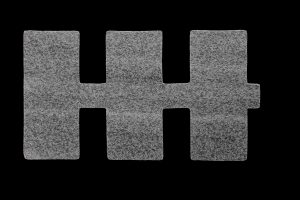
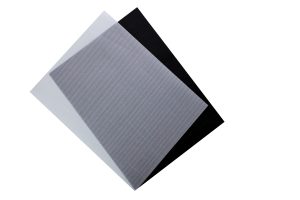
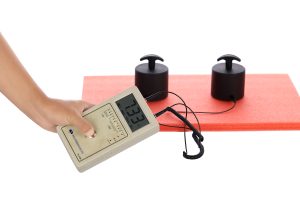
Now compare that to anti-static foam sheets from ProFlexPack. Our laminated EPE sheets feature a bonded ESD film that delivers stable dissipative resistivity. Instead of generating charge, anti-static foam for electronics safely bleeds static away, maintaining a consistent surface resistivity ideal for electronics manufacturing and export packaging. The difference is not subtle: one invites failure, the other prevents it.
Cushioning Consistency: Air Pockets vs. Engineered Core
Bubble wrap relies on sealed air pockets that pop under pressure. Once a pocket bursts, cushioning disappears entirely. Repeated impacts, vibration, or temperature changes during cross‑border shipping can deflate bubble wrap unevenly, leaving your product unprotected in certain areas.
Anti-static foam sheets offer a fundamentally different mechanism. The EPE core provides closed‑cell, resilient cushioning that rebounds after compression. Our anti-static foam for electronics maintains its thickness and impact absorption across hundreds of cycles, making it suitable for custom foam package designs. Whether you are shipping a single server or palletizing hundreds of instruments, foam sheets deliver predictable, testable protection—not unpredictable air bubbles.
Surface Durability and Contamination Risks
Bubble wrap has another hidden drawback: it can shed dust, cling to components, and create moisture traps. For precision electronics, even microscopic particles can cause contact failures or optical contamination.
Our anti-static foam sheets feature a durable ESD‑film layer that enhances abrasion resistance and resists shedding. The low‑friction, non‑dusting surface extends the lifespan of anti-static foam for electronics, keeping sensitive products clean from assembly line to final installation. This matters especially for medical electronics and optical modules where contamination is unacceptable.
Why the Right Choice Protects Your Bottom Line
Bubble wrap has its place—packing coffee mugs or non‑sensitive household goods. But for electronics, the differences are stark: static generation versus static dissipation; air pockets versus engineered cushioning; contamination risk versus clean surface. Choosing anti-static foam sheets is not an added expense; it is insurance against invisible damage that only surfaces after your customer receives faulty goods.
At ProFlexPack, we have built our reputation on delivering anti-static foam for electronics that performs reliably in real‑world logistics. From component handling to high‑volume export packaging, our laminated EPE sheets combine impact resistance, static control, and durability. B2B procurement should prioritize total cost of ownership; specifying anti-static foam sheets minimizes the risk of latent ESD defects and associated warranty claims. Let ProFlexPackprovide the engineered protection your electronics deserve.