Cross-border shipping creates complex packaging challenges. Products often travel through multiple transportation stages, including warehouses, trucks, airplanes, and international distribution networks. During this journey, packaging must withstand impacts, vibration, compression, and environmental changes while keeping products secure. As a customer-centric global provider of packaging solutions, we at ProFlexPack understand that choosing the right protective material directly influences product safety, logistics efficiency, and customer satisfaction.
When businesses compare different packaging options, air cushioning is often considered because of its lightweight structure and space-saving advantages. However, for many high-value, fragile, and precision products, custom polyethylene foam packaging can provide more structured and application-specific cushioning. Through our experience as a custom foam packaging supplier, we help companies select packaging solutions that balance protection, cost control, and international shipping requirements.
Understanding the Differences Between Foam Packaging Solutions and Air Cushioning
Foam packaging solutions and air cushioning both aim to reduce product damage during transportation, but their protection mechanisms are different. Air cushioning relies on sealed air chambers to absorb shocks. It can be useful for lightweight products and applications where basic cushioning is sufficient. However, air-filled materials may lose effectiveness if punctured, compressed repeatedly, or exposed to repeated compression, puncture risks, or rough handling.
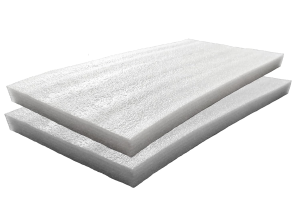
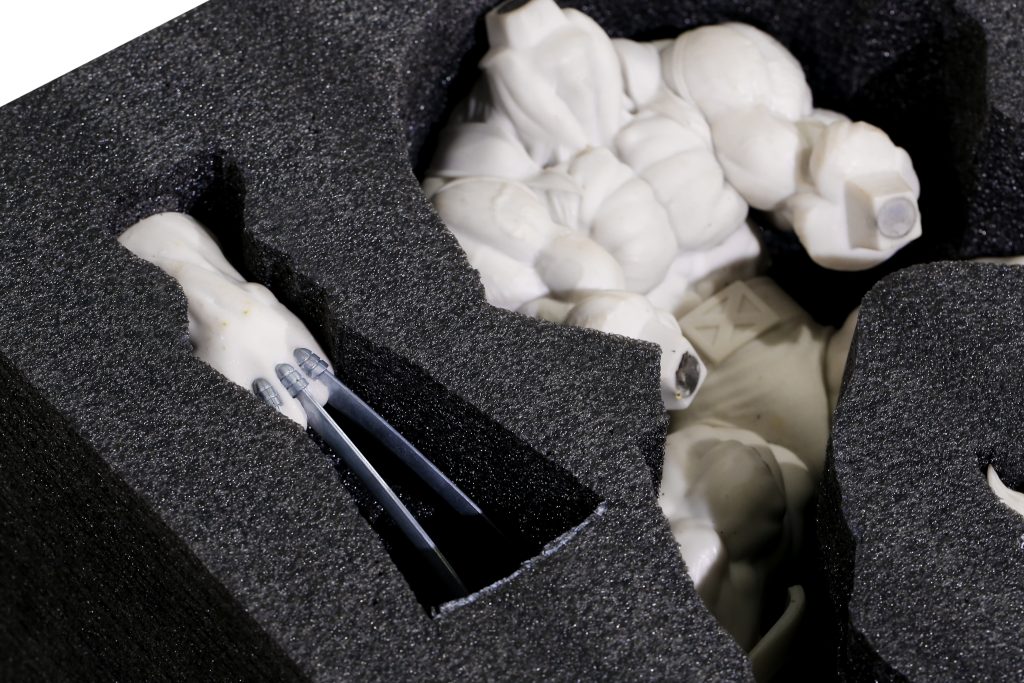
Custom polyethylene foam packaging uses closed-cell polyethylene foam structures that provide consistent cushioning performance. The material distributes impact forces across the packaging surface, reducing the pressure transferred to the product. This makes it suitable for applications where products require stable protection throughout long-distance transportation.
For cross-border shipping, reliability is especially important because packages may experience extended handling periods. Unlike temporary cushioning materials, polyethylene foam maintains its protective properties, helping businesses reduce product damage risks.
Why Custom Polyethylene Foam Packaging Provides More Reliable Protection
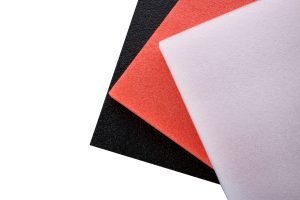
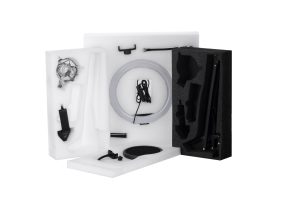
One of the main advantages of custom polyethylene foam packaging is its ability to be designed according to specific product requirements. Instead of using general-purpose packaging, businesses can choose customized thicknesses, densities, dimensions, and structures that match the shape and sensitivity of their products.
At ProFlexPack, we provide customized foam packaging solutions supported by 3D and CAD rapid prototyping. Our 72-hour rapid prototyping service allows customers to evaluate packaging designs quickly before mass production. This helps reduce development time while supporting the final packaging meets product protection requirements.
For industries such as electronic components, PCB assemblies, communication modules, optical instruments, and precision parts, packaging accuracy is essential. These products can be sensitive to impact, vibration, electrostatic discharge, and surface damage. A precisely designed polyethylene foam solution can create a secure protective environment that air cushioning may not provide.
Enhancing Product Safety with Anti-Static Laminated EPE Sheets
For electronic and precision products, protection involves more than physical cushioning. Electrostatic discharge (ESD) can damage sensitive components even when no visible impact occurs. To address this challenge, we offer Anti-Static Laminated EPE Sheets as part of our advanced foam packaging solutions.
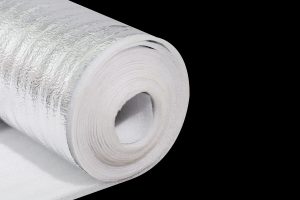
These sheets combine lightweight EPE foam with an enhanced ESD-film layer, providing additional protection for electronic components and PCB assemblies. The durable film-bonded surface improves abrasion resistance while maintaining the lightweight characteristics of the foam core.
Our Anti-Static Laminated EPE Sheets are designed for applications including communication modules, optical instruments, precision parts, and export-grade protective interlayer packaging. They provide non-dusting performance, stable cushioning, and reliable protection during international transportation.
Compared with air cushioning, laminated polyethylene foam offers a more controlled protective structure. Unlike air-dependent cushioning systems, this foam material does not require pressurization to function. As a result, its shock-absorbing properties are less susceptible to degradation from prolonged storage or multiple handling cycles.
Improving Cross-Border Shipping Efficiency with Customized Foam Solutions
International logistics requires packaging that supports both product protection and operational efficiency. Oversized or unsuitable packaging can increase shipping costs, while insufficient protection can lead to returns, replacements, and customer complaints.
Custom polyethylene foam packaging helps businesses optimize packaging dimensions by matching the product shape more precisely. This reduces unnecessary space while maintaining effective protection. Our team can customize sheet sizing, thickness, and density based on different shipping conditions and product requirements.
As a global packaging solutions provider, we also focus on helping customers improve supply chain efficiency. Our packaging designs consider not only product safety but also storage, handling, and transportation requirements. Through optimized structures, companies can achieve better protection without adding unnecessary packaging weight.
Choosing the Right Packaging Material for Long-Term Business Growth
The decision between air cushioning and foam packaging depends on product value, transportation distance, and protection requirements. While air cushioning can be suitable for certain lightweight applications, many businesses require more dependable protection for valuable or sensitive goods.
Custom polyethylene foam packaging offers advantages in durability, customization, and consistent performance. For companies shipping products internationally, investing in reliable packaging can help reduce damage rates and improve customer experiences.
We combine material expertise with customized manufacturing capabilities to deliver packaging solutions designed for real-world shipping challenges. Our quality management systems, including ISO 9001/14001 standards, UL-related quality requirements, and compliance with RoHS and REACH standards, support our commitment to dependable packaging performance.
Building Safer Global Shipments with ProFlexPack
Cross-border shipping demands packaging that can handle uncertainty. From transportation vibration to warehouse handling, products need protection that remains effective throughout the entire journey. While air cushioning has benefits in specific situations, custom polyethylene foam packaging provides a stronger choice for industries requiring stable, customized, and long-lasting protection.
At ProFlexPack, we continue developing foam packaging solutions that help businesses protect valuable products while improving logistics efficiency. As a trusted custom foam packaging supplier, we provide tailored solutions that support electronics, precision manufacturing, and export industries worldwide.