Long-haul shipping creates complex challenges for businesses transporting sensitive electronic components, precision equipment, and industrial products. Products may experience vibration, compression, temperature changes, and electrostatic risks throughout extended transportation journeys. At ProFlexPack, we understand that selecting the right protective material is essential for maintaining product quality and reducing logistics risks. Comparing an EPE anti-static foam sheet with EPS anti-static foam helps companies identify the most suitable packaging solution for their specific needs.
We develop customized foam packaging solutions for industries including electronics, medical, automotive, and aerospace. Our anti-static foam sheets are designed to provide reliable cushioning and electrostatic protection for sensitive products. By evaluating material characteristics, durability, and application requirements, businesses can make better packaging decisions for long-distance shipping.
Understanding the Differences Between EPE and EPS Anti-Static Foam
EPE and EPS are both widely used foam materials, but they provide different performance advantages. Choosing between them depends on product sensitivity, transportation conditions, and packaging objectives.
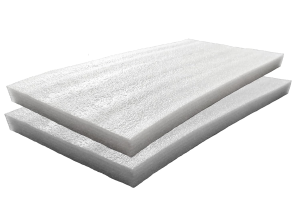
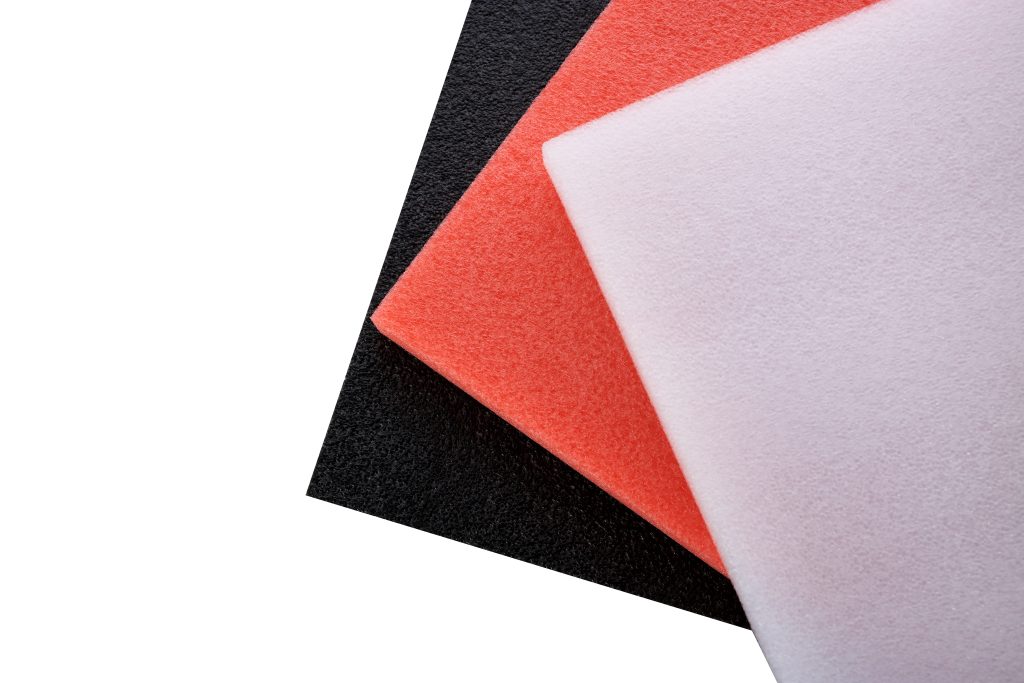
An EPE anti-static foam sheet is made from expanded polyethylene material, offering excellent flexibility, cushioning ability, and impact resistance. Its soft structure allows it to absorb external forces effectively while preventing scratches or surface damage. This makes it suitable for products that require repeated handling or additional protective layers.
EPS anti-static foam, meanwhile, is produced from expanded polystyrene and is known for its lightweight structure and strong compression resistance. It is commonly used for applications where rigid support and molded protection are required.
For long-haul shipping, understanding these differences helps businesses select packaging materials that balance protection, cost efficiency, and transportation performance.
Why EPE Anti-Static Foam Sheet Performs Well in Long-Distance Shipping
Long transportation cycles often expose products to repeated vibration and handling pressure. Flexible materials are valuable in these situations because they can absorb energy and reduce direct impact on sensitive components.
At ProFlexPack, our EPE anti-static foam sheet provides stable electrostatic protection and reliable cushioning for static-sensitive products. The EPE core delivers strong impact absorption, making it suitable for electronic components, PCB assemblies, communication modules, optical instruments, and precision parts.
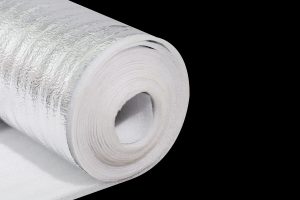
Our anti-static laminated EPE foam sheet features an ESD film layer bonded to the surface. This additional layer helps provide more controlled and consistent surface electrical performance compared with standard anti-static foam. As a result, it offers enhanced protection during electronics manufacturing, component handling, and export packaging.
For companies shipping valuable products internationally, this combination of cushioning and ESD control helps reduce the risk of damage throughout the logistics process.
Comparing Cushioning Performance and Product Protection
The primary purpose of protective packaging is to prevent damage caused by external forces. Different foam materials manage these forces in different ways.
EPE foam is highly effective for shock absorption because its flexible cellular structure can compress and recover during impact. This characteristic makes an EPE anti-static foam sheet suitable for delicate components that require gentle but consistent protection.
EPS anti-static foam provides strong structural support due to its rigid cellular design. It is often preferred for products requiring customized molded cavities and stable positioning. However, rigid structures may not always provide the same flexibility as EPE when products experience repeated movement or vibration.
For long-haul shipping environments involving multiple handling stages, EPE’s combination of low density, closed-cell structure, and compressibility makes it a material option suited to applications where repeated handling and variable impact forces are expected.
Evaluating Durability and Surface Protection Requirements
Packaging materials must maintain their performance throughout storage and transportation. Surface durability is especially important when products are handled frequently or shipped through complex supply chains.
Our anti-static laminated EPE foam sheets include a durable ESD-film surface layer that improves abrasion resistance. This design extends the service life of the packaging material while maintaining stable electrostatic protection.
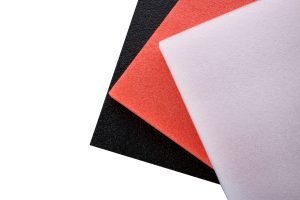
Anti-static foam sheets combine physical cushioning with ESD protection, while their durable composition resists tearing and particle shedding—creating a packaging environment that is both cleaner and more electrically safe for sensitive electronics. The protective surface reduces wear caused by repeated contact and supports consistent performance during product handling.
EPS anti-static foam can also provide effective protection, especially for single-use molded packaging applications. However, businesses should consider whether they need reusable, flexible, or highly customized packaging structures when selecting materials.
Choosing the Right Foam Solution for Different Applications
The best packaging material depends on the product type and shipping conditions. There is no universal solution for every industry, which is why customization plays an important role.
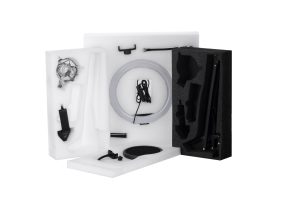
EPE anti-static foam sheets are ideal for electronic components, precision parts, communication equipment, and export-grade protective interlayer packaging. Their flexibility and cushioning characteristics make them suitable for products that need reliable protection without excessive packaging weight.
EPS anti-static foam is often a strong choice for larger products or applications requiring rigid support and precise molded structures. Businesses transporting fragile equipment with fixed dimensions may benefit from EPS-based designs.
Making the Better Choice for Long-Haul Shipping Protection
Selecting between an EPE anti-static foam sheet and EPS anti-static foam requires careful consideration of product sensitivity, logistics conditions, and packaging expectations. While both materials provide valuable protection, their performance advantages differ depending on the application.
ProFlexPack provides customized foam packaging solutions that combine cushioning performance with reliable electrostatic protection. Our anti-static foam sheets, including high-stability EPE solutions, are designed to support industries handling sensitive and high-value products.