Fragile products face complex challenges throughout modern supply chains. From manufacturing facilities to warehouses and final delivery points, products may experience repeated handling, vibration, compression, and unexpected impacts. For high-value components, even minor damage during transportation can result in financial losses, production delays, and customer dissatisfaction. Therefore, choosing the right protective packaging strategy has become an essential part of logistics management.
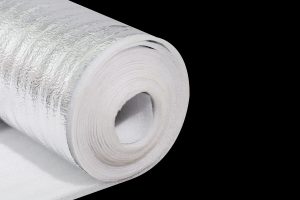
Industrial foam solutions play an important role in addressing these challenges by combining cushioning performance, structural support, and application-specific designs. Unlike traditional packaging methods that mainly provide basic protection, engineered foam solutions focus on controlling movement, absorbing external forces, and maintaining product stability throughout transportation.
Why Fragile Products Require Advanced Packaging Protection
The increasing complexity of modern products has changed packaging requirements across many industries. Electronics, automotive components, medical devices, and precision equipment often contain delicate internal structures that can be affected by shock, vibration, or improper handling.
A product may appear undamaged externally but still experience internal failures caused by transportation stress. Circuit boards can develop hidden defects, precision components may lose calibration, and sensitive surfaces may suffer scratches or deformation. These issues can create additional costs during inspection, repair, or replacement.
Traditional packaging materials, such as simple cardboard partitions or general cushioning materials, may not provide sufficient support for products with irregular shapes or strict protection requirements. They often lack the ability to control product movement, which is one of the main causes of transportation-related damage.
Effective packaging design needs to consider several factors, including product weight, fragility level, transportation distance, handling frequency, and environmental conditions. This is why businesses increasingly rely on customized industrial foam solutions instead of standard packaging approaches.
The Role of Material Selection in Damage Prevention
The performance of protective packaging largely depends on the characteristics of the selected material. Different foam materials offer different levels of flexibility, compression resistance, impact absorption, and durability.
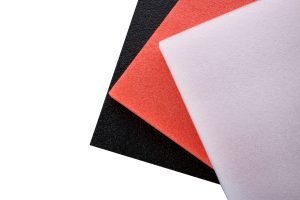
For example, softer foam materials may provide better surface protection for delicate products, while higher-density foam structures may be more suitable for heavier components requiring stronger support. The right balance between cushioning and rigidity allows packaging to absorb external forces without transferring excessive pressure to the product.
Material selection also affects long-term packaging performance. Products transported through global supply chains may experience multiple loading and unloading processes before reaching their destination. Packaging materials need to maintain their protective properties throughout these stages rather than only during initial handling.
Industrial foam solutions are designed around these practical considerations. Through proper material selection and engineering analysis, companies can create packaging systems that better match their transportation environments.
Why Custom Foam Packaging Provides Better Product Stability
One of the biggest challenges in protecting fragile products is preventing unnecessary movement inside the package. When products shift during transportation, repeated impacts between the product and packaging can increase the risk of damage.
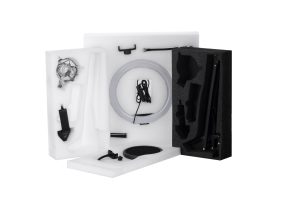
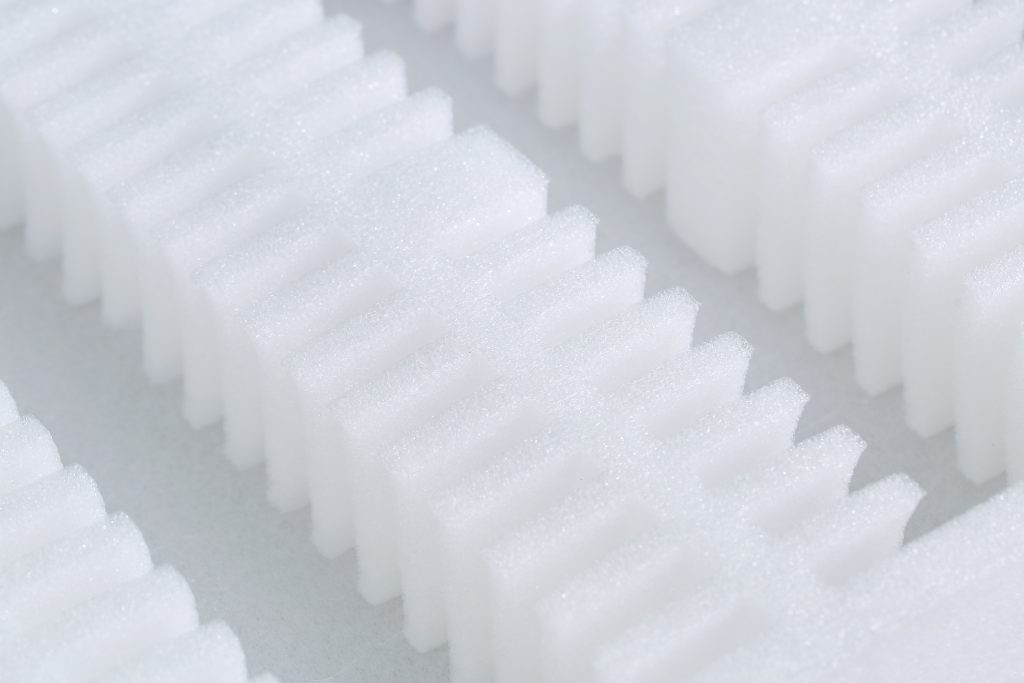
Custom foam packaging addresses this issue by creating structures that match product dimensions. Instead of relying on loose filling materials, customized inserts provide dedicated support areas that keep components securely positioned.
This approach is especially important for products with complex shapes, multiple components, or sensitive contact surfaces. A precisely designed foam structure can distribute pressure more evenly and reduce stress concentration points.
Customization also improves packaging efficiency. Properly fitted inserts can reduce the need for excessive protective materials while creating a more organized packing process. For companies managing large shipment volumes, this can improve consistency and reduce packaging waste.
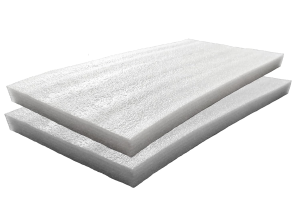
At ProFlexPack, we apply these principles when developing industrial foam solutions, including customized EPE foam inserts designed for industries requiring reliable protection.
The Importance of Precision Manufacturing in Packaging Performance
Even the best packaging concept can fail if manufacturing accuracy is insufficient. Small differences in dimensions can affect how securely a product fits inside the package.
If an insert is too loose, the product may move during transportation. If it is too tight, excessive pressure may be applied to sensitive areas. Therefore, maintaining consistent manufacturing quality is essential for achieving reliable protection.
Modern foam packaging production increasingly uses digital design, automated cutting, and precise measurement technologies to improve consistency. These processes help ensure that every packaging component matches the original design specifications.
For businesses operating high-volume production and shipping programs, manufacturing consistency is particularly valuable. Reliable dimensions simplify packaging operations and help maintain the same protection level across thousands of shipments.
Creating More Reliable Supply Chains Through Better Packaging Design
Packaging has become an important factor in overall business efficiency. Damaged shipments affect more than replacement costs. They can interrupt production schedules, delay customer projects, and influence long-term business relationships.
By investing in well-designed protective packaging, companies can improve delivery reliability and create more stable supply chains. The right packaging strategy helps reduce risks while supporting smoother logistics operations.
At ProFlexPack, we focus on helping businesses develop packaging solutions based on their specific protection challenges. Through customized industrial foam solutions and engineering support, we assist customers in creating packaging structures that balance protection, efficiency, and practical application needs.
Improving Delivery Reliability Through Engineering-Based Packaging
Achieving safer delivery for fragile products requires more than adding protective materials. It requires a complete understanding of product characteristics, transportation risks, material performance, and manufacturing precision.
Industrial foam solutions provide businesses with a practical approach to reducing transportation damage by combining customized designs, reliable cushioning, and consistent performance. With the right packaging strategy, companies can improve product safety, reduce logistics risks, and strengthen supply chain reliability.
At ProFlexPack, we continue to support industries that require dependable protection through engineered foam packaging solutions. By focusing on customer requirements and application challenges, we help businesses move toward more secure and efficient delivery processes.