-re0ekjsqlb4ojigkuutt3usg360zqvvu56lxdec0lc.png "所有proflexpacks改为proflexpack的(logo)")
When it comes to foam packaging manufacturer and packaging medical device, ensuring product safety and integrity is paramount. The right packaging can significantly impact the functionality and longevity of medical equipment. Among the various options available today, die-cut and molded foam inserts have emerged as two popular choices. Understanding their differences can help you determine which option best aligns with your packaging needs.
Benefits of Die-Cut Foam Inserts
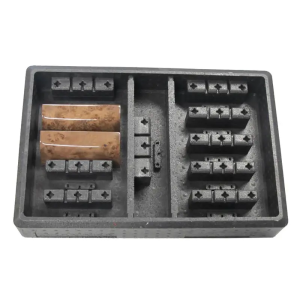
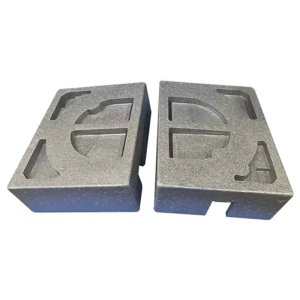
Die-cut foam inserts are designed to fit specific products precisely. Produced using a high-quality foam material, these inserts offer several advantages for medical device packaging. One of the primary benefits is their ability to create custom shapes that snugly cradle the device, providing excellent protection against shocks and vibrations during transport. Foam packaging manufacturers often highlight how die-cut inserts can optimize storage space, allowing for more efficient shipment and distribution.
Moreover, die-cut inserts are typically lightweight, contributing to reduced shipping costs. They also provide an opportunity for branding, as companies can print logos or product information directly on the foam or packaging. This combination of protection and promotion makes die-cut foam inserts a popular choice among foam packaging manufacturers catering to the medical sector.
Advantages of Molded Foam Inserts
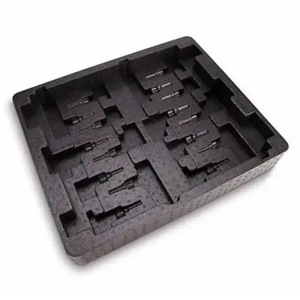
On the other hand, molded foam inserts are crafted from expanded foam materials, allowing for intricate designs that envelop products securely. These inserts are often regarded for their superior cushioning properties, making them ideal for fragile medical devices that require additional protection.
Molded foam inserts excel in scenarios where high-volume production is necessary. Foam packaging manufacturers can streamline the manufacturing process, resulting in cost savings for businesses that demand large quantities of packaging. Additionally, molded foam offers consistent density and durability, ensuring that the integrity of the packaging remains intact throughout the supply chain.
While molded foam may have a higher initial production cost compared to die-cut foam, its long-term benefits, such as increased resilience and lower damage rates, can make it a worthy investment for companies committed to protecting their medical devices.
Making the Right Choice
Choosing between die-cut and molded foam inserts ultimately depends on your specific packaging requirements, including the type of medical device, transportation conditions, and budget constraints. A thorough analysis of these factors can guide your decision on which foam packaging solution to implement.
At ProFlexPack, we have been providing innovative packaging solutions to industries around the world, helping companies protect their products and expand their global business. Our expertise lies in creating tailored packaging materials that cater specifically to the diverse needs of the healthcare sector. By partnering with us, businesses not only ensure their medical devices are safeguarded, but they also benefit from optimized logistics and enhanced brand representation. Let’s work together to find the perfect packaging solution that meets your unique needs!