-re0ekjsqlb4ojigkuutt3usg360zqvvu56lxdec0lc.png "所有proflexpacks改为proflexpack的(logo)")
Selecting the right material for packaging is crucial for ensuring product safety during transit. Among the various foam sheets for packaging available, EPP (Expanded Polypropylene) foam and EPS (Expanded Polystyrene) foam are two popular choices, each with its distinct advantages and applications. While both materials serve the purpose of cushioning and protecting items, their impact resistance capabilities can differ significantly. Understanding these differences is essential for businesses aiming to optimize their packaging solutions.
The Strength of Custom EPP Foam
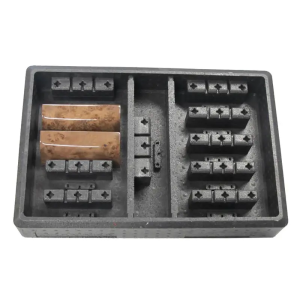
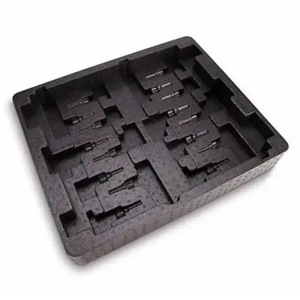
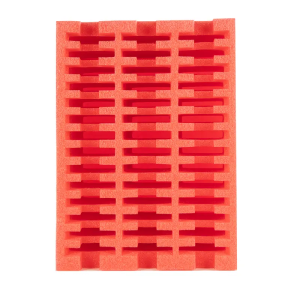
Custom EPP foam stands out for its superior impact resistance, making it particularly effective for applications requiring reliable protection. Its unique construction provides excellent compressive strength and energy absorption, which is vital for safeguarding sensitive electronics and fragile components from mechanical shocks and vibrations.
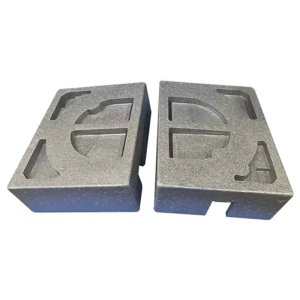
Additionally, tailor-made EPP foam can be engineered to fit specific product shapes, ensuring a snug and secure fit. This customized approach minimizes movement within the packaging, providing an extra layer of protection and reducing the likelihood of damage during transportation.
Companies investing in EPP foam packaging often benefit from its lightweight properties, which translate to lower shipping costs. Furthermore, EPP foam’s durability enables multiple reuse cycles, making it an economical and environmentally friendly option for companies looking to enhance their logistics processes.
The Versatility of EPS Foam
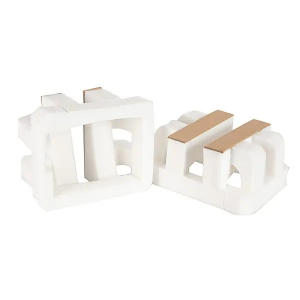
While EPP foam excels in impact resistance, EPS foam also has its place in the packaging world. Lightweight and cost-effective, EPS foam serves well in applications where high impact is not as critical. Its cushioning properties are adequate for many items, but it lacks the same level of durability and energy absorption capabilities that EPP offers.
One of the key advantages of EPS foam lies in its widespread availability and affordability. It is commonly used in food packaging, appliances, and less fragile items where environmental conditions do not pose significant risks. However, businesses should be mindful of the long-term sustainability aspects, as EPS foam is less reusable compared to its EPP counterpart.
Making the Right Choice for Your Packaging Needs
When it comes to impact resistance, custom EPP foam emerges as a clear winner, particularly for sensitive electronic components and high-value products. Its enhanced cushioning capabilities and resistance to mechanical shock make it ideal for businesses that prioritize product safety.
At ProFlexPack, we understand that choosing the right foam sheets for packaging can greatly affect your product integrity. Our range of anti-static foam sheets, including anti-static laminated EPE foam sheets, provides stable ESD protection and reliable cushioning. These sheets feature enhanced anti-static performance, ensuring that sensitive assemblies remain protected during handling and transport.
By partnering with ProFlexPack, you gain access to innovative solutions tailored to your specific packaging needs. Let’s work together to elevate your packaging strategy and ensure your products arrive safely and securely, every time.