-re0ekjsqlb4ojigkuutt3usg360zqvvu56lxdec0lc.png "所有proflexpacks改为proflexpack的(logo)")
Too many procurement and logistics professionals still rely on outdated assumptions when specifying protective packaging for computers, servers, and large-scale electronics. We hear the same misconceptions repeatedly: that any foam with a dark color offers static protection, or that standard EPS foam is “good enough” for export shipping. The reality is far more nuanced—and the cost of these myths can be measured in damaged inventory, rejected shipments, and frustrated clients. At ProFlexPack, we have made it our mission to separate fact from fiction, showing B2B buyers exactly why computer foam packaging demands precision-engineered anti-static EPS foam inserts.
Myth #1: “All Foam Looks the Same, So It Performs the Same”
Nothing could be further from the truth. Standard EPS foam is an insulator, meaning it actively generates and holds static charge. When a computer motherboard or server module shifts against untreated foam during cross-border transit, static buildup can exceed 15,000 volts—enough to fry sensitive circuits instantly.
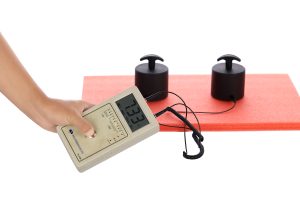
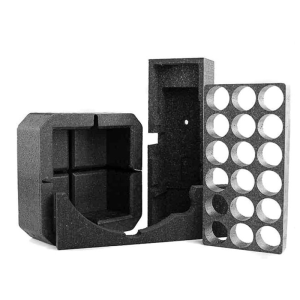
The reality: genuine anti-static EPS foam inserts undergo a specialized surface treatment that delivers consistent dissipative behavior in the 10⁸–10¹⁰ Ω range. This controlled resistance allows static charges to bleed off safely and gradually, without sparking. Our ProFlexPack computer foam packaging is explicitly engineered for export-grade electronics, from high-volume server shipments to industrial equipment transport. The performance is verified through surface resistivity meters to ensure compliance with electronics shipping protocols.
Myth #2: “Anti-Static Properties Fade Quickly, So Why Bother?”
Some buyers assume that surface-treated foam loses effectiveness after a few weeks in a warehouse or a single international journey. That myth persists because low-quality suppliers use unstable coatings that crack or flake.
But here is what we have proven through rigorous testing: properly manufactured anti-static EPS foam inserts maintain their dissipative range (10⁸–10¹⁰ Ω) throughout the entire logistics chain—including long-term storage, repeated handling, and temperature cycling. Our computer foam packaging is designed for stability. Surface treatment bonds uniformly, resisting abrasion and humidity. For industries shipping large-scale sensitive electronics or household appliances with embedded electronics, this reliability translates directly to lower return rates and stronger supply chain confidence.
Myth #3: “I Can Just Add a Conductive Bag and Use Any Foam”
We see this mistake often: buyers place components in a static-shielding bag, then nestle that bag into ordinary EPS foam. The problem? Mechanical friction between the bag and the foam still generates external static fields, and the bag’s interior can become a charged environment.
True protection requires an integrated solution. Anti-static EPS foam inserts work in harmony with the component’s own ESD controls, not against them. Our ProFlexPack computer foam packaging is already treated to manage charge across the entire surface, eliminating the need for multiple conflicting layers. For target industries like computer hardware, server farms, and medical electronics, this unified approach reduces packing errors and speeds up assembly lines.
Smart Buyers Demand Verified Performance
Myths about foam packaging cost B2B organizations real money. The smart move is to specify anti-static EPS foam inserts from a partner who validates performance through consistent surface resistivity testing and real-world export simulations. At ProFlexPack, we provide advanced protective packaging solutions to global industries because we understand what is at stake. Data-driven procurement, including surface resistivity reports and compression set data, ensures supply chain reliability for high-value electronics.