-re0ekjsqlb4ojigkuutt3usg360zqvvu56lxdec0lc.png "所有proflexpacks改为proflexpack的(logo)")
As supply chain logistics become increasingly complex across the United States, managing the safe transit of high-value, sensitive equipment is a paramount concern for procurement and engineering teams. Standardized shipping materials consistently fall short when tasked with protecting specialized hardware, leading to compromised product integrity and inflated return rates. At ProFlexPack, we recognize that off-the-shelf options cannot adequately support the rigorous demands of modern OEM and ODM operations. Instead, we engineer highly precise protective inserts designed specifically for your unique product geometry. Whether you are transporting delicate Class II Medical Devices or sophisticated Data Communication Multimedia Systems, the fundamental physics of transit require a tailored approach to shock isolation. Our expertise lies in replacing generic, inadequate void-fill with meticulously calculated custom foam packaging solutions. By focusing strictly on business-to-business applications, we understand the stakes involved when shipping uncompromised technology. Throughout this article, we will objectively explore the critical pros and cons of these engineered inserts, offering an honest, technical review to help your brand make informed, strategic decisions for your specialized logistics network.
The Strategic Pros: Advanced Shock Absorption and Precision Fit for Fragile Technologies
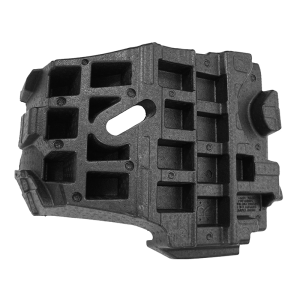
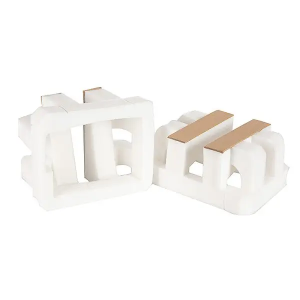
The primary advantage of utilizing engineered inserts lies in their unparalleled ability to absorb multi-directional kinetic energy and dampen sustained vibrations during transport. Unlike generic void-fill that allows internal shifting, our custom foam packaging solutions are molded and cut to cradle the exact contours of your product, completely immobilizing it within the outer container. This precise fit is absolutely critical for industries manufacturing sensitive technology, such as Semiconductor Discrete Devices, Thin-film transistor liquid crystal display devices, and New Displays. Furthermore, specialized chemical formulations allow us to create inserts with targeted antistatic and conductive properties. When your business is shipping Electronic Specialty Materials, Microcomputers, Portable Computers, or complex Multimedia Computers and Servers, protecting against electrostatic discharge is just as vital as preventing physical impact. Standard packaging frequently generates static electricity that can silently destroy internal circuitry before the equipment ever reaches the end-user. By utilizing our tailored inserts, we effectively neutralize this unseen threat. Additionally, these intelligently designed layouts drastically streamline your assembly line operations, allowing your packing operators to intuitively nest components like Power Distributors, Power Adapters, and Electronic Heating Components into designated, molded slots, thereby reducing labor costs and ensuring a consistent, professional unboxing experience for your clients.
Evaluating the Cons: Understanding Upfront Tooling and Spatial Trade-offs
While the protective benefits are undeniable, an honest evaluation requires us to address the logistical and financial trade-offs inherent in bespoke packaging development. The most prominent constraint for many businesses is the initial upfront investment in engineering and tooling. Because each insert is designed exclusively for a specific product, the process requires comprehensive 3D CAD modeling, rapid prototyping, and the fabrication of specialized cutting tools or molds. For low-volume production runs or brief R&D phases—such as Home Appliance R&D or preliminary testing of new Smart Remote Controls—these initial costs can noticeably increase the unit price of the packaging. However, as an experienced OEM and ODM provider, we actively mitigate these startup expenses by optimizing our tool designs to maximize long-term production yields. Another significant consideration is the physical storage space required in your warehouse. Unlike corrugated boxes that can be shipped and stored flat, molded protective inserts arrive in their fully formed, three-dimensional state. If your facility operates under strict just-in-time inventory systems and handles large-scale equipment like Air Conditioning Equipment, Refrigeration Equipment, or Gas Compression Machinery, storing large volumes of these inserts can rapidly consume valuable floor space. We partner with our clients to carefully map out delivery schedules, ensuring that these spatial constraints do not disrupt your manufacturing workflow.
Specialized Applications: Elevating the Standard for Medical Devices and Precision Instruments
The necessity for customized protective inserts becomes even more pronounced when we examine the stringent regulatory and environmental standards of the healthcare and laboratory sectors. Packaging design for medical devices operates under an entirely different set of rules compared to standard commercial goods. Both Class II and Class III Medical Devices demand secure packaging for delicate medical devices that goes far beyond basic impact resistance. These instruments require cleanroom-compatible environments that are entirely free from particulate shedding, chemical outgassing, and moisture retention. Traditional open-cell materials can easily degrade or introduce microscopic contaminants, which is catastrophic for sensitive equipment like Optical, Measuring, and Testing Instruments. Therefore, our custom plastic packaging for medical devices utilizes specialized, closed-cell, cross-linked materials that are non-abrasive and chemically inert. This ensures that the physical integrity and sterility of the equipment are maintained perfectly throughout the entire supply chain journey. Beyond healthcare, this same level of rigorous material science is applied when we engineer secure packaging for heavy-duty yet precisely calibrated products, including Hardware and Plastic Products, Precision Molds, Water Heaters, and intricate Computer Chassis. We engineer our inserts to support immense weight distribution without compromising the delicate internal mechanisms of these diverse industrial applications.
Making the Strategic Choice: Partnering with the Right Foam Packaging Manufacturer
Ultimately, the success of your logistics strategy depends on selecting a manufacturing partner capable of translating complex engineering requirements into scalable, reliable production realities. When sourcing a foam packaging manufacturer in the United States, supply chain managers must look beyond basic fabrication capabilities. You require a dedicated B2B partner who understands the nuanced demands of OEM and ODM operations. At ProFlexPack, we bridge the gap between initial product design and final, high-volume delivery. Our holistic approach means we do not simply supply materials; we engineer comprehensive protection systems tailored precisely to your operational workflow and product specifications. By carefully weighing the superior shock absorption and ESD protection against the requisite tooling investments and storage considerations, businesses can confidently upgrade their shipping protocols. Whether you are looking to secure fragile semiconductor components, protect large-scale home appliances, or ensure the sterile delivery of critical medical devices, we are equipped to design and deliver the exact protective inserts you need. We invite you to collaborate with our engineering team to transform your packaging strategy, ensuring every high-value product you ship arrives flawlessly, maintaining your brand’s reputation for uncompromising quality and operational excellence.