-re0ekjsqlb4ojigkuutt3usg360zqvvu56lxdec0lc.png "所有proflexpacks改为proflexpack的(logo)")
Managing a high-volume automotive supply chain in the United States requires an uncompromising approach to component protection. Inside transport containers, heavy yet delicate parts face severe vibration, sudden impacts, and shifting loads. Historically, finding the perfect balance between rigidity and flexibility has led engineers to compare Expanded Polystyrene (EPS) and Expanded Polyethylene (EPE). At ProFlexPack, we focus on engineering highly precise, protective packaging inserts that prevent mechanical damage during long-distance transit. For automotive Tier-1 suppliers and OEMs, selecting the wrong material can lead to surface abrasions, micro-fractures, or structural deformation. Because we serve the B2B sector exclusively with tailored OEM and ODM solutions, we know that generic packaging is not an option. Each component—whether it is a heavy transmission housing, an intricate vehicle computer chassis, or a fragile instrument cluster—demands a custom-designed insert that accommodates its unique physical geometry and weight. In this guide, we break down the critical performance differences between EPS and EPE to help your engineering team make the optimal, data-backed selection.
The Structural Mechanics of Rigid EPS Inserts for Heavy Automotive Components
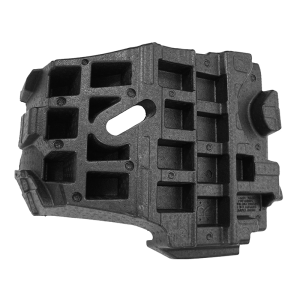
To properly evaluate your options, we must first look at the unique physical properties of Expanded Polystyrene. Produced by various expanded polystyrene manufacturers, EPS is a lightweight, rigid, closed-cell foam that offers excellent structural strength under static loads. Because of its rigid cellular configuration, it excels at absorbing high-energy, single-impact forces by crushing under stress. This makes EPS inserts highly effective for heavy, robust automotive components that do not require multi-drop protection, such as cast-iron engine blocks, brake rotors, and massive power distributors. However, once EPS undergoes a severe impact, its cellular structure is permanently deformed and loses its protective qualities. It is also important to note that EPS can shed small particles under abrasive conditions, which makes it less suitable for cleanroom-assembled electronics like microcomputers or portable computers. As an experienced B2B packaging partner, we help automotive manufacturers analyze their structural load requirements to determine if rigid EPS is the most cost-effective solution for their single-use shipping cycles.
The Resilient Performance of Flexible EPE Inserts for Multi-Drop Logistics
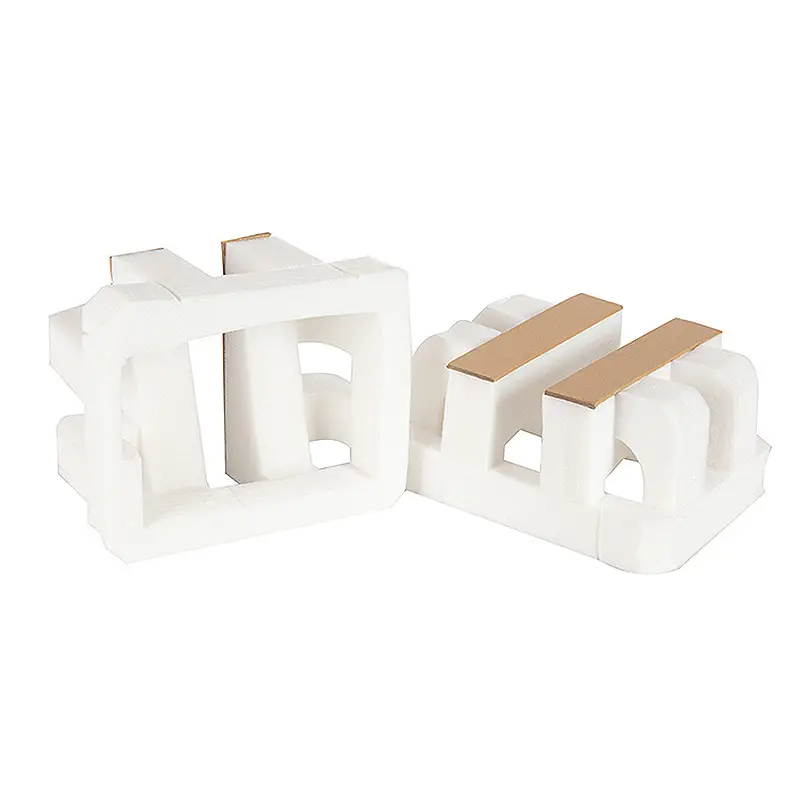
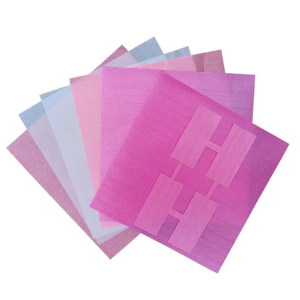
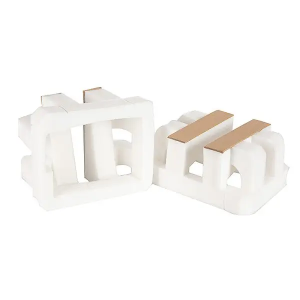
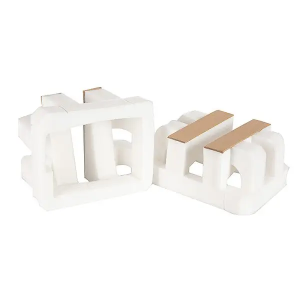
In contrast to rigid materials, Expanded Polyethylene (EPE) is a highly flexible, semi-rigid, closed-cell foam known for its exceptional resilience. When our team at ProFlexPack designs custom protective inserts using EPE, we leverage its ability to compress and instantly return to its original shape. This memory-like elasticity makes EPE the premier choice for automotive parts that endure repeated impacts and continuous vibrations throughout a multi-stage supply chain. If your operation involves shipping delicate electronic heating components, smart remote controls, or new displays to assembly plants, EPE inserts provide continuous, non-abrasive cushioning. Because EPE does not break down or shed particles, it is safe to use with highly sensitive components like semiconductor discrete devices, optical sensors, and thin-film transistor liquid crystal display devices. By selecting EPE, supply chain managers can ensure that sensitive diagnostic instruments and calibrated water heaters arrive in pristine, factory-calibrated condition, even after thousands of miles of rough transit.
Direct Cost and Spatial Comparisons for Large-Scale OEM/ODM Production Runs
Beyond physical performance, supply chain managers must balance financial budgets and physical warehouse space. From a manufacturing perspective, sourcing from traditional expanded polystyrene manufacturers often provides a lower initial material cost for basic, high-volume geometries. However, because EPS is brittle, it requires thicker walls to achieve the same level of impact resistance as a thinner, denser EPE counterpart. This increased thickness can significantly enlarge the outer dimensions of your shipping containers, driving up freight costs and consuming valuable warehouse space. When we design custom EPE inserts, we can often reduce the overall volume of the packaging. This space-saving design is a major benefit for companies storing large appliances and automotive climate components, such as air conditioning equipment, refrigeration equipment, or gas compression machinery. While EPE may have a slightly higher material cost upfront, its durability and space-saving efficiency often yield a lower total cost of ownership across your entire logistics network.
Why Partnering with a High-Performance Foam Packaging Manufacturer is Key
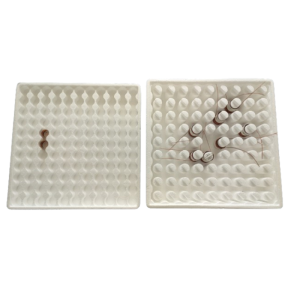
Ultimately, choosing between EPS and EPE is only the first step; the success of your automotive logistics strategy relies on the precision of the manufacturing process. Working with a specialized foam packaging manufacturer like ProFlexPack ensures that your custom inserts are engineered to meet strict quality and tolerance standards. We collaborate directly with your engineering department to design, prototype, and manufacture custom plastic packaging for medical devices, precision molds, and heavy industrial hardware. Our end-to-end B2B services cover everything from complex multi-part kitting layouts to antistatic material formulations, protecting sensitive devices like power adapters, data communication multimedia systems, and multimedia computers and servers from static discharge. By choosing the right foam material and partnering with an agile OEM/ODM supplier, we help you eliminate transit damage, optimize your packing line efficiency, and maintain a seamless, high-performing automotive supply chain.