-re0ekjsqlb4ojigkuutt3usg360zqvvu56lxdec0lc.png "所有proflexpacks改为proflexpack的(logo)")
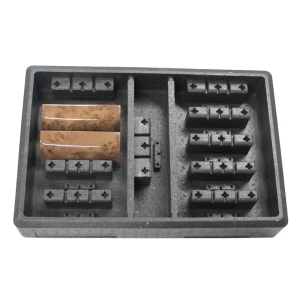
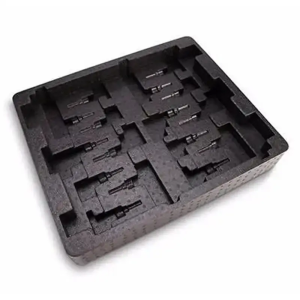
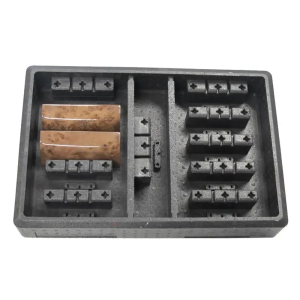
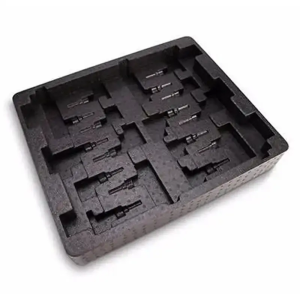
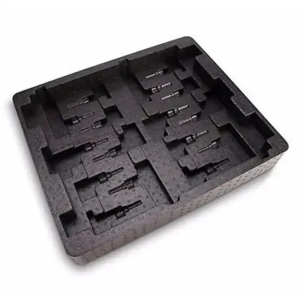
In dynamic industrial supply chains, the ability of packaging to withstand repeated physical abuse is a critical factor in managing logistics costs and ensuring product safety. While traditional materials offer single-use protection, high-performance applications—especially in the automotive, aerospace, and electronics sectors—demand a material with high resilience and structural memory. Expanded Polypropylene (EPP foam) is a bead foam engineered from polypropylene resin that provides these capabilities. As a leading supplier of engineered protective solutions, our company, ProFlexPack, utilizes EPP foam to create custom inserts and dunnage trays that deliver exceptional energy absorption and durability across hundreds of usage cycles. EPP’s unique elastic recovery allows it to bounce back to its original shape after repeated impacts, outperforming single-use alternatives in long-term reliability. Our tailored designs leverage this durability to reduce packaging replacement costs, while maintaining consistent protection for high-value components through multi-cycle logistics—from factory assembly to end-user delivery.
The Unique Fused-Bead, Closed-Cell Structure
The superior resilience of EPP foam stems directly from its manufacturing process. It is a closed-cell material where individual polypropylene beads are pre-expanded with steam and then fused together in a mold under heat and pressure. Crucially, the cells remain closed and distinct but are held together by robust, fused walls. When subjected to impact, this structure allows the beads to momentarily compress and buckle in a controlled manner, absorbing the kinetic energy. Unlike rigid foams that fracture or permanently deform (like traditional EPS), the cellular walls of EPP foam possess a high elastic limit, allowing them to rapidly recover their original shape after the load is removed. This elastic recovery ensures consistent cushioning performance across repeated impacts, eliminating the need for frequent packaging replacements. The closed-cell structure also retains its integrity over time, preserving both impact resistance and dimensional stability even in high-cycle logistics scenarios.
Achieving Multi-Impact Resistance Through Shape Memory
The defining characteristic of EPP foam is its shape memory, or “recovery behavior.” When an object protected by EPP sustains an impact—such as a tray being dropped or components rattling together—the foam’s cellular structure dissipates the energy by temporarily deforming. The stored potential energy then drives the material back to its pre-impact dimensions. This means the cushion’s performance is largely unchanged even after multiple, significant impacts. For reusable systems like returnable dunnage, this makes EPP foam essential, as it ensures the packaging integrity remains consistent through its entire lifecycle, unlike materials that suffer permanent compression set after the first shock. This reliable shape recovery eliminates the risk of degraded protection over repeated use, keeping high-value components shielded across countless supply chain cycles. Unlike single-use alternatives that require frequent replacement, EPP’s resilience translates to long-term cost savings and consistent performance in high-wear logistics scenarios.
ProFlexPack’s Density Control for Optimal Performance
The physical performance of EPP foam can be precisely tailored by controlling its density, which typically ranges from 15 g/L up to 200 g/L. Our engineering team uses this versatility to match the foam to the component’s mass and fragility. Higher-density EPP provides superior compressive strength and greater load-bearing capacity, making it perfect for supporting heavy items like battery modules or large castings in returnable totes. Conversely, lower-density EPP offers lighter weight and maximizes the cushioning distance for more delicate components. ProFlexPack ensures that the specified density delivers the required strength-to-weight ratio to maximize protection while minimizing freight costs. This density customization eliminates one-size-fits-all compromises, ensuring each application receives targeted performance—from robust load support to gentle shock absorption. Whether optimizing for durability in high-cycle use or efficiency in long-haul shipping, our tailored density solutions align EPP foam’s capabilities with your exact logistical and protective needs.
Chemical, Thermal, and Sustainable Advantages
In addition to its mechanical resilience, EPP foam is valued for its broad chemical and thermal resistance. It is largely unaffected by oils, greases, and many industrial solvents, which is necessary in environments like automotive assembly. Furthermore, EPP maintains functional reliability across an extreme temperature range, typically from -40℃ to +120℃. This stability is critical for long-haul logistics involving climate variations. Finally, EPP foam is 100% recyclable and non-toxic, aligning with modern sustainability goals and offering a responsible, circular economy solution for packaging that minimizes waste. Its chemical inertness ensures no contamination of sensitive components, while thermal stability safeguards performance in harsh transit conditions—from freezing shipping containers to high-temperature warehouses. As regulations and corporate sustainability commitments grow stricter, EPP’s recyclability adds tangible environmental value without compromising protective capabilities.
Conclusion: The Strategic Value of Engineered EPP Foam
The question, What is EPP Foam and How Does It Achieve Multi-Impact Resistance?, leads directly to the core benefit for industrial clients: sustained reliability and long-term cost savings. Its unique structure grants it high energy absorption and shape memory, which are non-negotiable for returnable and mission-critical packaging. By choosing ProFlexPack, you are investing in a partner who leverages the specialized properties of EPP foam to engineer custom inserts and dunnage that will protect your high-value assets effectively and economically across hundreds of supply chain cycles. Beyond immediate damage prevention, EPP’s durability translates to reduced packaging waste and lower replacement costs, aligning with both financial efficiency and sustainability goals. Our tailored solutions adapt to the unique geometries of your components—whether automotive parts, aerospace equipment, or sensitive electronics—ensuring consistent protection even in high-wear logistics environments. With ProFlexPack’s expertise in material science and custom fabrication, EPP foam becomes more than a packaging material: it is a strategic asset that strengthens supply chain resilience, minimizes operational disruptions, and preserves the integrity of your most valuable products from factory to final destination. This commitment to engineered excellence ensures that every investment in EPP packaging delivers long-term returns, solidifying your competitive edge in demanding industrial markets.