-re0ekjsqlb4ojigkuutt3usg360zqvvu56lxdec0lc.png "所有proflexpacks改为proflexpack的(logo)")
Expanded Polystyrene (EPS) foam is more than just lightweight filler; it is a meticulously engineered material whose shock-absorbing properties are rooted deep within its microscopic cellular structure. As a leading foam packaging manufacturer, we understand that true product protection relies on leveraging this material science. EPS is a rigid, closed-cell foam composed of tiny, sealed beads that are approximately 98% trapped air. This high air content makes it exceptionally lightweight while its unique production process—steam chest molding of pre-expanded beads—fuses these cells together into a strong, monolithic structure. When an impact occurs, this sophisticated composition allows the foam to manage and dissipate kinetic energy with unmatched efficiency, which is crucial for protecting sensitive goods during transit.
The Three Stages of Energy Dissipation
The superior shock-absorption capacity of EPS foam is clearly illustrated by its characteristic compressive stress-strain curve, which features three distinct regions. When a package experiences a sharp, sudden impact, the foam cushion undergoes sequential structural phases. Initially, there is a short linear elastic region where the cell walls momentarily bend. This is followed by a prolonged stress plateau region, which is the primary source of energy absorption, as the cell walls progressively buckle and collapse under controlled deformation. Finally, the foam enters a densification stage where the crushed cells press against one another, causing a rapid increase in stress. By maximizing the length of the central plateau, our custom foam packaging solutions ensure that the impact energy is dissipated slowly, keeping the peak G-force transmitted to the packaged product below its damage threshold.
Density Control: The Expertise of Expanded Polystyrene Foam Manufacturers
The single most critical factor determining the shock-absorption performance of EPS is its density, which is the mass per unit volume. As one of the premier expanded polystyrene foam manufacturers, ProFlexPack meticulously controls density because it dictates the stiffness and load-bearing capacity of the final insert. Lower-density foams (e.g., 1.0 PCF) are ideal for cushioning lightweight, fragile items because they deform easily, maximizing the plateau region for maximum energy dissipation. Conversely, higher-density foams (e.g., 2.0 PCF or higher) are necessary for heavy or robust items, as they offer the compressive strength required to support the load without collapsing prematurely under static compression, thus reserving their shock-absorbing capacity for dynamic impact events.
Strain Rate Sensitivity and Dynamic Strength
Unlike some other materials, EPS foam exhibits high dynamic strength, meaning its performance improves when subjected to a high-speed, high-strain-rate event like a sharp drop. This phenomenon is a vital aspect that sets it apart as a preferred material for protective packaging. When a rapid impact compresses the foam, the air trapped within the closed-cell structure cannot escape immediately. This temporary compression of the internal air generates additional viscous resistance, which effectively increases the foam’s overall stiffness and energy-absorption capacity during that critical moment. This reliability across various impact velocities makes our EPS products an optimal choice for unpredictable shipping and logistics environments—whether safeguarding fragile electronics during cross-country trucking, heavy industrial components in air freight, or temperature-sensitive medical supplies through multiple handling stages. Beyond its exceptional impact resistance, EPS foam’s lightweight nature also minimizes total package weight, reducing transportation fuel consumption and logistics costs without compromising protective performance. Additionally, our EPS solutions are engineered with customizable densities and configurations, allowing us to tailor the material to specific product dimensions and risk profiles—ensuring a precise balance of cushioning and structural support that adapts to the unique demands of your supply chain. This combination of dynamic performance, versatility, and cost-efficiency reinforces why EPS remains a trusted choice for businesses seeking robust, reliable packaging that stands up to the rigors of modern logistics.
ProFlexPack: Engineering Custom Foam Packaging Solutions
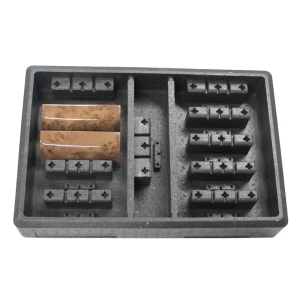
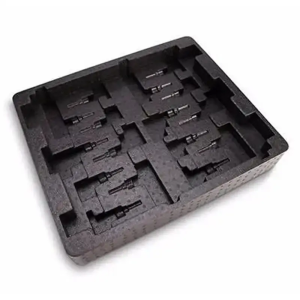
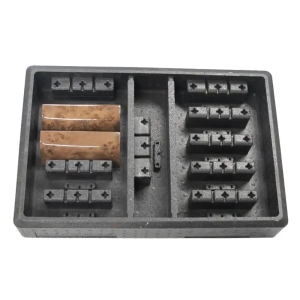
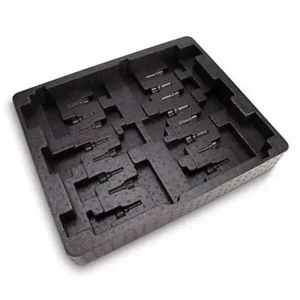
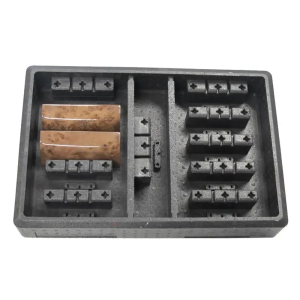
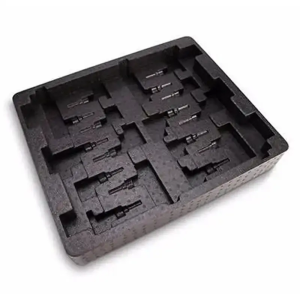
At ProFlexPack, we utilize our deep technical expertise to move beyond standard foam blocks, designing complex, precision-molded inserts that perfectly cradle the product. Our ability as a leading foam packaging manufacturer is demonstrated in our process of calculating the precise density and thickness required to protect a specific product against the calculated drop height and weight—an engineering challenge known as cushion design analysis. We don’t just supply foam; we create custom foam packaging solutions that leverage the material’s inherent science, ensuring optimal performance. By tailoring the EPS mold, we ensure that the entire cushioning system works in unison to provide maximum protection for electronics, medical devices, and other high-value goods, significantly reducing damage costs for our clients.
Partnering with a Specialized Expanded Polystyrene Foam Manufacturers
The science behind Expanded Polystyrene foam’s shock absorption is a finely tuned balance of cellular structure, density, and dynamic material response. For any business needing to protect fragile or high-value components, understanding this science is the first step toward reducing transit damage. ProFlexPack is committed to being your trusted partner and a knowledgeable expanded polystyrene foam manufacturer. Our focus is on delivering scientifically validated custom foam packaging solutions that provide reliable, cost-effective protection, turning a volatile supply chain into a secure pathway for your products. Our team of material scientists and packaging engineers works closely with you to analyze your product’s unique vulnerabilities—from weight and fragility to transit conditions—then tailors EPS foam densities and structural designs to optimize energy absorption exactly where it’s needed. We also conduct rigorous performance testing (aligned with industry standards like ISTA and ASTM) to validate every solution, ensuring it stands up to real-world shocks and vibrations. By combining deep material expertise with a customer-centric approach, we don’t just supply packaging—we deliver peace of mind, helping you minimize costly damages, streamline logistics, and uphold the integrity of your products from warehouse to end user.