-re0ekjsqlb4ojigkuutt3usg360zqvvu56lxdec0lc.png "所有proflexpacks改为proflexpack的(logo)")
In modern industrial supply chains, shipping high-value electronics, semiconductor discrete devices, and precision instruments requires far more than basic shipping containers. Every year, global original equipment manufacturers (OEMs) lose millions of dollars to latent electrostatic discharge (ESD) damage, which occurs when friction during transport generates static electricity that silently destroys internal microcircuits. As a premier eps foam manufacturer in the United States, we design high-performance physical barriers engineered to prevent this hidden threat while offering world-class mechanical protection. Our team understands that specialized sectors—including home appliance R&D, data communication systems, and portable computers—cannot risk utilizing standard packaging materials that build up tribal charges during transit. By developing advanced protective packaging that actively dissipates electrical fields, we ensure that your fragile components, microcomputers, power distributors, and multimedia servers arrive at their final destinations in perfect working order, safeguarding your brand reputation and drastically reducing your post-delivery return rates.
Designing High-Performance Molded Inserts Over Primitive Materials
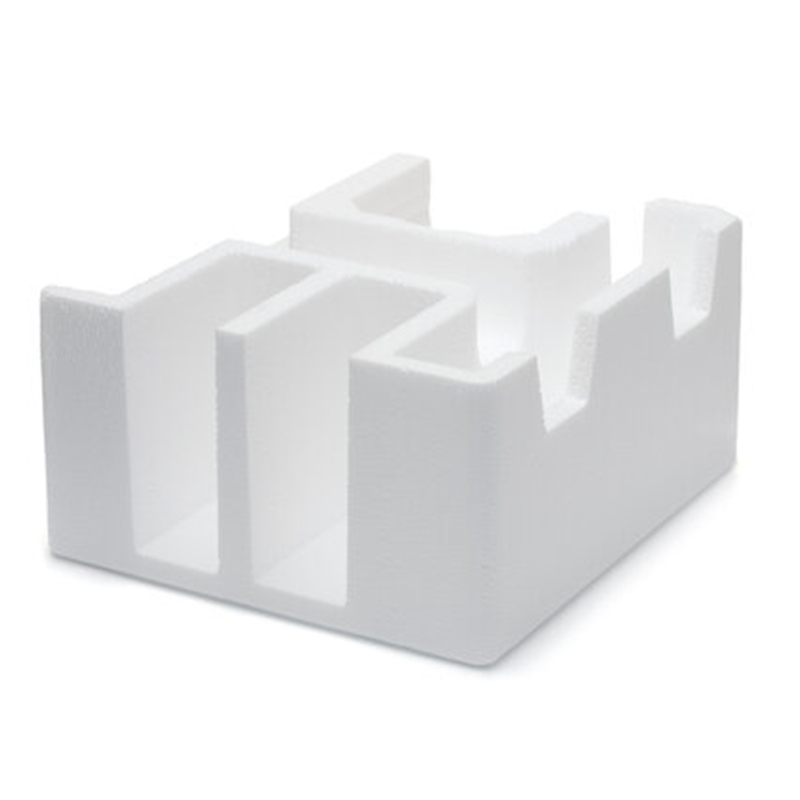
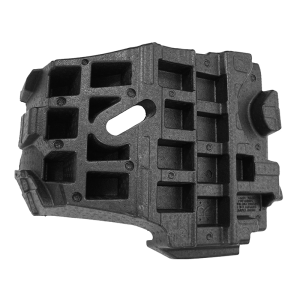
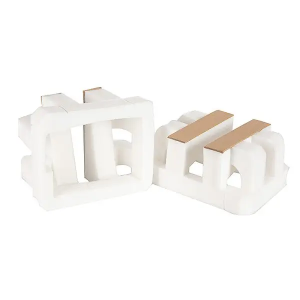
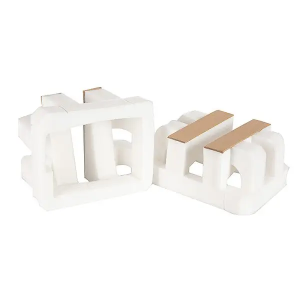
To achieve this elite level of protective performance, professional packaging design must move away from generic, unformed protective materials. In our manufacturing facilities, we do not produce simple, unmachined sheets or blocks; instead, we specialize in engineering highly precise, custom-molded eps foam inserts. Every custom insert we create is meticulously tailored to the exact three-dimensional CAD contours of your product, establishing a secure nest that prevents internal shifting, distributes impact energy evenly, and keeps delicate parts completely isolated from external stress. Using advanced aluminum tooling, our custom-molded inserts provide form-fitting cavities for complex hardware, including power adapters, computer chassis, refrigeration equipment, and electronic heating components. This tailored structural approach not only maximizes the drop-protection capabilities of the Expanded Polystyrene material but also simplifies your factory assembly lines, allowing your packaging team to quickly secure fragile devices without wasting time on manual wrapping or taping.
The Physical Science of Anti–Static Foam Packaging Solutions
The true magic of electrostatic protection lies in the molecular modification of our raw materials, transforming standard insulating foam into a highly controlled, dissipative medium. Standard polystyrene is highly susceptible to triboelectric charging, but our specialized anti-static foam packaging inserts are manufactured by uniformly blending organic antistatic agents directly into the polystyrene resin during the pre-expansion phase. This complex chemical formulation lowers the surface resistivity of the material to a precise operating window of 10^9 to 10^{11} ohms per square, enabling surface charges to bleed off gradually into the atmosphere rather than accumulating and creating a sudden, destructive spark. This controlled dissipation is essential for safeguarding ultra-sensitive thin-film transistor liquid crystal display devices, smart remote controls, and advanced electronic specialty materials. By selecting our certified ESD-safe inserts, B2B procurement managers can rely on verified surface resistance properties that remain highly effective across varying temperatures and ambient humidity levels, maintaining stable electrostatic defense throughout long-term storage and overseas transit.
Meeting Stringent Standards for Medical Devices and Precision Hardware
For high-stakes B2B industries, packaging must satisfy strict regulatory compliance frameworks alongside physical safety requirements. This is especially true for companies involved in medical device design, where we provide custom foam packaging solutions engineered for both Class II Medical Devices and Class III Medical Devices. Packaging manufacturers for medical devices must guarantee that their products will not shed particles, outgas chemical contaminants, or degrade under typical sterilization protocols. Our custom eps foam inserts are manufactured under rigorous quality control standards to ensure low particulate generation, making them the ideal choice for secure packaging for delicate medical devices, optical measuring instruments, and gas compression machinery. By integrating our custom-engineered medical inserts into your logistics workflow, your organization can seamlessly meet the strict regulatory guidelines of international health authorities while maintaining an uncompromised barrier against physical shocks, vibration, and electrostatic contamination.
Selecting the Top EPS Foam Partner for OEM and ODM Custom Tooling
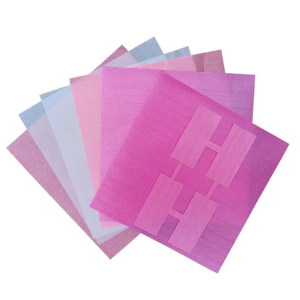
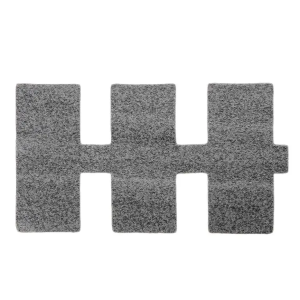
Choosing a reliable manufacturing partner is the final and most crucial step in optimizing your industrial packaging strategy. As an industry-leading OEM and ODM service provider, we offer end-to-end engineering support that translates your technical product specifications into optimized, cost-efficient packaging designs. From our dedicated product category at ProFlexPack Anti-Static Pads, we provide highly customizable solutions that blend high-density cushioning with permanent ESD control. We work collaboratively with your product development teams to run drop-simulation models, optimize foam densities, and manufacture durable aluminum molds that yield consistent physical dimensions across millions of cycles. By partnering with us as your dedicated eps foam manufacturer, your business gains a sophisticated engineering ally committed to streamlining your global logistics, minimizing material waste, and providing the ultimate defense for your high-value technological innovations.#6TOP 5 Core Functions of Custom Packaging Foam Inserts in the United States
Precision Geometry for Total Product Immobilization and Inertial Control
As complex logistics networks continue to expand across the United States, B2B supply chain managers face the ongoing challenge of protecting highly specialized equipment during long-distance transit. Standardized corrugated boxes and generic loose-fill materials simply cannot meet the rigorous, zero-defect demands of modern OEM and ODM manufacturing operations. At ProFlexPack, we recognize that the first and most critical function of any protective packaging is the total physical immobilization of the product. When a transport vehicle suddenly brakes or turns, the physics of inertia dictate that the product inside the box will continue moving until a physical force stops it. To safely counter these inertial forces, we design and manufacture custom packaging foam inserts that perfectly map to the unique physical geometry of your product. Whether your facility is shipping delicate Electronic Heating Components or bulky Hardware and Plastic Products, any internal shifting during transport can lead to catastrophic mechanical failure. By utilizing advanced 3D CAD modeling, our engineering team creates tailored nesting cavities that securely cradle every curve and edge of the component. Instead of relying on generic void-fill that settles and shifts over time, our structural inserts lock the product in place from the moment it leaves your assembly line, ensuring consistent, predictable protection.
Kinetic Shock Absorption for Heavy Machinery and Fragile Components
The second core function of our protective engineering is the absolute mitigation of kinetic shock. During routine loading, unloading, and cross-docking, shipping containers frequently experience sudden drops and harsh physical impacts. If this kinetic energy transfers directly to the product, it can shatter outer housings, warp metal frames, or misalign calibrated internal mechanisms. To prevent this destructive transfer of energy, our foam packaging solutions are formulated to act as a physical buffer, absorbing and dispersing impact forces before they can reach your equipment. This specific function is especially vital for manufacturers producing heavy, high-value machinery such as Air Conditioning Equipment, Refrigeration Equipment, and Gas Compression Machinery. These exceptionally heavy loads require dense, structural support that will not crush or permanently deform under sudden, severe stress. Conversely, when we design secure packaging for intricate, lighter items like Precision Molds or Computer Chassis, our engineers perform meticulous load-bearing calculations to calibrate the density of the insert. This provides a softer, more forgiving deceleration upon impact. By calculating precise drop-height requirements and matching the specific weight distribution of your goods, we ensure that the structural integrity of your product remains entirely uncompromised.
Electrostatic Discharge (ESD) Mitigation for Sensitive Electronics
Beyond physical impacts, invisible environmental threats like electrostatic discharge (ESD) pose a massive financial risk to the modern technology sector. As packages move rapidly through automated transit hubs, the constant friction between standard shipping materials generates a phenomenon known as triboelectric charging. This friction creates high levels of static electricity inside the box. If this static discharges into sensitive circuitry, it can silently destroy the equipment before the end-user even unboxes it. Therefore, the third core function of our tailored inserts is strict, uncompromising ESD mitigation. When we collaborate with B2B partners producing Electronic Specialty Materials, Semiconductor Discrete Devices, or sophisticated Data Communication Multimedia Systems, we integrate specialized antistatic and conductive properties directly into the polymer matrix of the insert. This specialized formulation safely dissipates static charges away from the internal hardware, neutralizing the threat entirely. For OEM clients manufacturing Microcomputers, Portable Computers, and Multimedia Computers and Servers, this level of chemical engineering is a fundamental operational requirement. By utilizing our antistatic inserts, manufacturers of Power Adapters, Power Distributors, and Smart Remote Controls can confidently ship their products, knowing their intricate microprocessors are shielded from electrostatic damage.
Continuous Vibration Dampening for Complex Optical and Display Technology
While sudden, high-impact drops capture the most attention in logistics planning, continuous, low-frequency vibrations are actually responsible for a significant percentage of transit damage. As delivery trucks navigate uneven highways or cargo planes experience sustained flight turbulence, prolonged shaking can cause microscopic fractures, loosen calibrated screws, and severely misalign delicate internal components. The fourth critical function of our engineered inserts is to serve as an active, continuous vibration dampening system. We utilize flexible, closed-cell polymer structures that act like microscopic shock absorbers, isolating the product from continuous mechanical resonance. This specialized dampening prevents the phenomenon of harmonic resonance, where external vibrations match the natural frequency of the product and amplify internal stress. This isolation is absolutely crucial for the safe transport of highly sensitive visual and sensory equipment, including Thin-film transistor liquid crystal display devices, New Displays, and intricate Optical, Measuring, and Testing Instruments. Even standard technologies developed during Home Appliance R&D phases or precisely calibrated Water Heaters benefit immensely from this continuous stabilization. By absorbing transit frequencies, our protective solutions prevent the unseen mechanical fatigue that plagues long-distance shipping.
Particulate-Free Compliance for Secure Medical Device Packaging
The fifth core function addresses the stringent environmental, cleanliness, and regulatory requirements of the healthcare and laboratory sectors. When developing custom plastic packaging for medical devices, robust mechanical protection must be paired with absolute chemical stability. Traditional open-cell packing materials frequently shed microscopic dust particles, retain excess moisture, or release chemical outgassing as they age. For a manufacturer producing sterile Class II Medical Devices or life-critical Class III Medical Devices, introducing particulate contamination into a cleanroom environment is a severe regulatory violation that can trigger massive product recalls. At ProFlexPack, we engineer secure packaging for delicate medical devices using advanced, cross-linked materials that are highly resistant to abrasion and chemical degradation. These sterile, non-shedding inserts guarantee that the operational environment remains completely pristine and compliant with industry regulations. This level of meticulous quality control perfectly aligns with the rigorous needs of modern B2B brand businesses providing OEM or ODM services. To learn more about how we can integrate these five core protective functions into your specific supply chain, we invite you to explore our comprehensive engineering capabilities and specialized material formulations at our ProFlexPack Solutions portal.