-re0ekjsqlb4ojigkuutt3usg360zqvvu56lxdec0lc.png "所有proflexpacks改为proflexpack的(logo)")
Custom foam packaging represents the most advanced form of protective packaging available today, moving far beyond generic inserts and simple void fillers. It is a carefully engineered solution where the foam material, density, and structure are precisely tailored to the unique characteristics of a specific product—its dimensions, weight distribution, and fragility profile. This level of customization ensures maximum shock absorption, restricts damaging movement within the package, and greatly enhances presentation. As a global provider of custom foam packaging solutions, our company, ProFlexPack, partners with businesses to transform their logistics efficiency and significantly reduce costly in-transit damage, establishing a new standard for product safety.
High-Performance Types: The Advanced Foam Packaging Manufacturer Perspective
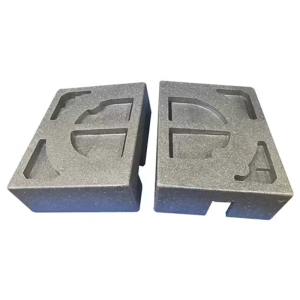
The material science behind protective inserts is critical, and top foam packaging manufacturer partners utilize several key types. Closed-cell foams like Expanded Polyethylene (EPE) and Expanded Polypropylene (EPP) are workhorses in high-value packaging. EPE is lightweight, resilient, and available in anti-static variants crucial for electronics, offering excellent omni-directional protection. EPP, utilized heavily by ProFlexPack for industries like automotive and aerospace, stands out due to its superior strength-to-weight ratio and ability to withstand multiple impacts without permanent deformation, making it ideal for reusable packaging and heavy components. Choosing the right material ensures the cushion performs reliably throughout the shipping cycle.
Versatile Types: Balancing Protection and Presentation
Beyond the dense, high-impact foams, other materials serve unique packaging requirements tailored to specific product needs and environmental conditions. Expanded Polystyrene (EPS), often known as styrofoam, provides excellent rigidity, low cost, and superior thermal insulation—paired with inherent moisture resistance and structural stability, making it a go-to choice for temperature-sensitive goods like pharmaceuticals, perishables, or industrial components that require consistent temperature control during transit. It also excels in block and brace support for heavy machinery parts or oversized items, distributing weight evenly to prevent shifting. Conversely, Polyurethane (PU) foam is a softer, open-cell foam that offers a plush, flexible cushion with exceptional conformability, making it highly effective for lightweight or extremely fragile items such as precision optics, delicate medical instruments (including diagnostic equipment and surgical tools), or fragile electronic components. What sets PU foam apart is its customizable density range—from ultra-soft to firm—allowing for tailored protection based on an item’s fragility, while its smooth, non-abrasive texture ensures it won’t scratch or damage high-value surfaces. This combination of performance and aesthetics also makes it a top choice for luxury goods and high-end retail packaging, where visual appeal and uncompromised protection are equally critical to enhancing brand perception.
Engineered Fit: The Core of Custom Foam Packaging Solutions
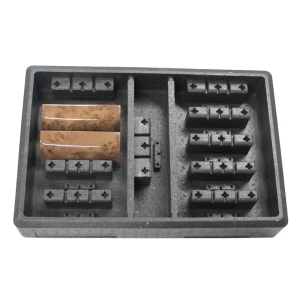
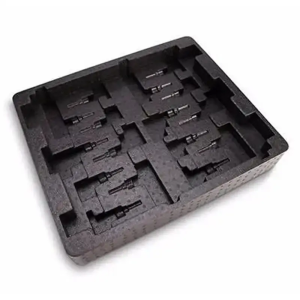
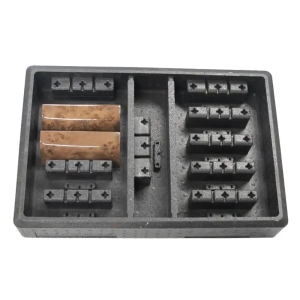
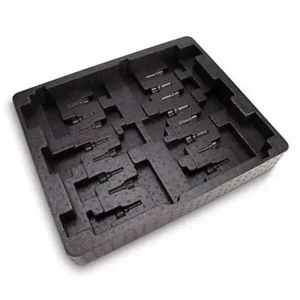
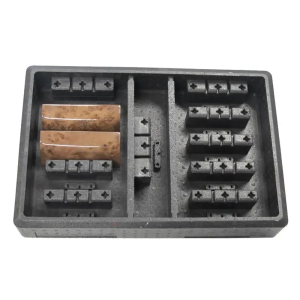
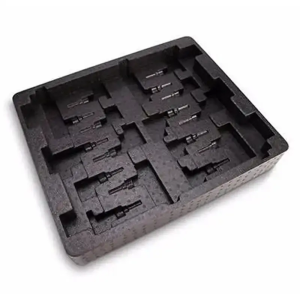
The distinguishing factor of custom foam packaging solutions is the precision fit they provide. Generic packaging often allows for product migration and vibration, leading to abrasion and impact damage. Our company employs state-of-the-art fabrication methods, including Computer Numerical Control (CNC) routing and die-cutting, to create perfectly contoured cavities. This exact fit prevents shifting and dampens external vibrations, ensuring the item remains completely secure. The result is a shock-absorbing insert that cradles the product from all sides, effectively isolating it from external forces. This engineered approach is key to achieving optimal protection and reducing the need for excess, ineffective void fill.
Industry Applications: Where ProFlexPack Delivers Value
The necessity of engineered packaging is recognized across sectors dealing with high-value, sensitive, or complex components. ProFlexPack’s custom foam packaging solutions are deployed widely: in the electronics industry, our anti-static EPE and EPP inserts safeguard microchips and display screens from both impact and electrostatic discharge; in automotive, our durable, high-energy-absorbing EPP systems protect heavy, irregularly shaped parts like lighting assemblies and batteries; and in the healthcare sector, our clean, specialized foam ensures the integrity of precision surgical tools and medical devices during lengthy global shipments. The versatility of foam allows us to solve unique logistic challenges for almost any B2B application.
Conclusion: Partnering with ProFlexPack for Superior Protection
Understanding custom foam packaging solutions means recognizing that packaging is an integral part of product quality assurance, not merely a cost center—one that directly impacts customer satisfaction, supply chain efficiency, and long-term brand loyalty. By leveraging the specific properties of materials like shock-absorbent EPE, durable EPP, and specialized anti-static variants tailored to static-sensitive applications, and applying precision manufacturing techniques (from CNC routing to custom die-cutting) tailored to your unique product specifications, transit routes, and storage conditions, ProFlexPack delivers protective systems that virtually eliminate transit damage. Our process begins with a comprehensive needs assessment to identify potential risk points—whether it’s vibration during long-haul shipping, temperature fluctuations, or static buildup—and translates those insights into targeted solutions. As a dedicated foam packaging manufacturer, our expertise ensures that whether you are shipping high-end electronics, delicate medical devices, or durable aerospace components, your products are secured by a meticulously designed solution that upholds your brand’s reputation for quality and reliability, while also optimizing total ownership costs by reducing costly returns, replacements, and operational inefficiencies associated with damaged goods.