-re0ekjsqlb4ojigkuutt3usg360zqvvu56lxdec0lc.png "所有proflexpacks改为proflexpack的(logo)")
Packaging for medical devices, particularly those supplied sterile, faces a critical and non-negotiable dual mandate: it must maintain a sterile barrier until the moment of use, and it must provide sufficient physical protection to withstand the rigors of a global, long-distance supply chain. Failure in either area compromises patient safety and regulatory compliance. Our company, ProFlexPack, specializes in providing custom foam packaging solutions that address both challenges simultaneously, acting as the protective element necessary to preserve the sterile barrier system (SBS). We ensure our clients meet stringent international standards, transforming packaging from a mere container into a key component of patient safety.
Shielding Sterility: Compliance with ISO 11607
The global benchmark for medical device packaging is the ISO 11607 series—globally recognized, mandatory for medical device manufacturers worldwide, and designed to ensure patient safety by dictating rigorous requirements for the materials, design, and performance of systems used for terminally sterilized devices. The standard clearly differentiates between the primary Sterile Barrier System (SBS)—a critical layer that prevents microbial ingress, maintains sterility from manufacturing through storage and transportation until the point of use, and is often a heat-sealed pouch, blister pack, or sterile tray—and the secondary protective packaging, which encompasses the outer carton and internal cushioning responsible for safeguarding the SBS during transit. Our role is focused squarely on the latter: providing robust, custom-engineered internal components (crafted from medical-grade, non-toxic foam materials that meet biocompatibility and regulatory requirements) that shield fragile SBS from crushing, tearing, or puncture—risks that are heightened during logistical processes like palletizing, shipping, and handling by healthcare facilities. If this secondary protective layer fails, the integrity of the sterile barrier’s seal can be compromised, immediately violating ISO 11607 compliance, rendering the device unsafe for clinical use, and potentially leading to costly product recalls, regulatory penalties, or even patient harm—outcomes that underscore the criticality of partnering with a packaging provider deeply versed in medical industry standards.
Material Compatibility: The Role of the Foam Packaging Manufacturer
A critical aspect of medical device compliance, often overlooked, is the material compatibility of the protective components with the sterilization process itself. The materials provided by a specialist foam packaging manufacturer must not release toxic substances (e.g., residues from ethylene oxide or gamma radiation exposure) that could contaminate the product or the sterile barrier. ProFlexPack employs high-grade, chemically inert foams like EPE and EPP, specifically choosing densities and formulations that withstand harsh environmental conditions without degradation or outgassing. This attention to material science ensures the physical protection system complements, rather than compromises, the sterility protocols required by regulatory bodies.
Validation Through Transit Simulation (ISTA and ASTM Standards)
For devices traveling long distances—often spanning continents, navigating multiple transit hubs, and enduring varying handling intensities—physical protection must be scientifically validated to mitigate cumulative logistical risks. Compliance with rigorous performance standards like ISTA 3A (specialized for individually packaged products) and ASTM D4169 (simulating global shipping hazards) is not just a regulatory checkbox but a mandatory requirement under ISO 11607, as these protocols replicate real-world stressors: controlled drops from industry-specific heights (ranging from 12 to 36 inches), sustained vibrations mimicking truck or air transit, and stacking compression from palletized loads weighing hundreds of pounds. These tests are far from perfunctory: they do not merely ensure the cardboard outer box remains intact, but rigorously prove that the internal cushioning provided by a specialized foam packaging manufacturer effectively dissipates mechanical stress, preventing micro-damage to the medical device’s components and preserving the hermetic integrity of its sterile seal. Our company assists clients in meeting this critical requirement by engineering custom protective foam structures—tailored to each device’s unique geometry, weight, and fragility—that distribute load forces evenly across the package, absorb peak shock during impacts, and maintain structural stability even amid temperature fluctuations or humidity changes. By leveraging finite element analysis (FEA) and iterative prototype testing, we ensure the foam cushioning not only meets but exceeds standard thresholds, guaranteeing the sterile seal remains uncompromised even after a simulated worst-case drop or prolonged vibration, while also providing comprehensive test documentation to support regulatory compliance and audit readiness.
Engineering Precision through Custom Foam Packaging Solutions
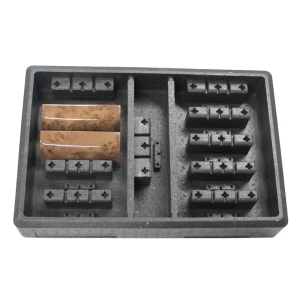
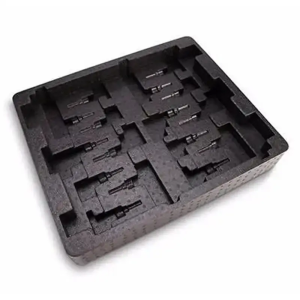
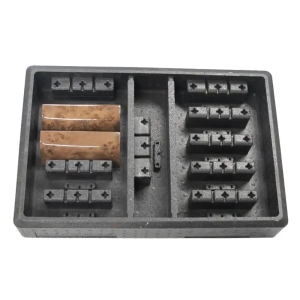
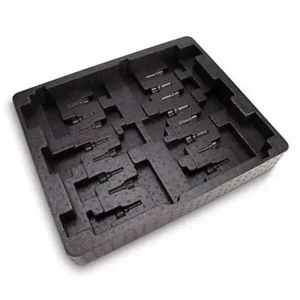
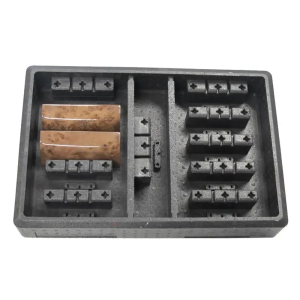
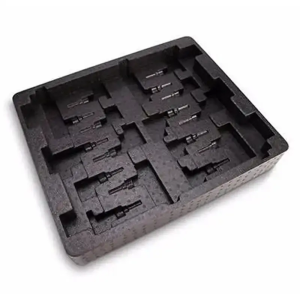
Generic packaging is simply insufficient for the variable weights and geometries of sophisticated medical devices. The solution lies in engineering custom foam packaging solutions that provide a precision fit. At ProFlexPack, we utilize CNC-cutting technology to create perfectly contoured inserts that immobilize the device. This bespoke approach prevents micro-abrasions, surface contact, and component shifting—common causes of damage in transit that could compromise the device’s functionality and its surrounding sterile barrier. By eliminating internal movement, our custom inserts drastically enhance the overall performance of the packaging system under the dynamic stresses of long-distance transport.
Partnering with ProFlexPack for Global Compliance
Medical device packaging is a highly regulated field where failure is not an option. Meeting compliance requires a deep understanding of standards like ISO 11607 and ISTA, combined with engineering excellence. By partnering with ProFlexPack, you gain access to a dedicated foam packaging manufacturer that specializes in creating validated, high-performance custom foam packaging solutions. Our product ensures your sterile barrier remains intact and your device arrives functional, reliable, and fully compliant, safeguarding both your supply chain efficiency and, most importantly, patient safety.