-re0ekjsqlb4ojigkuutt3usg360zqvvu56lxdec0lc.png "所有proflexpacks改为proflexpack的(logo)")
Packaging materials used for industrial and electronic products are often grouped together under general terms such as “foam” or “Styrofoam,” but different materials offer very different performance characteristics. In precision manufacturing and export logistics, selecting the correct foam material is important for maintaining product safety, electrostatic protection, and transportation efficiency.
Expanded polyethylene (EPE) foam is frequently compared with Styrofoam because both materials are lightweight and commonly used for cushioning. However, their structures, applications, and protective capabilities differ significantly. At ProFlexPack, engineered foam solutions are developed according to product sensitivity and logistics requirements, particularly for electronic foam packaging and electrostatic protection applications involving anti static foam sheets.
Understanding the Difference Between EPE Foam and Styrofoam
Although EPE foam and Styrofoam may appear visually similar, they are made from different materials and designed for different performance requirements. Styrofoam generally refers to expanded polystyrene (EPS), a rigid foam commonly used for insulation and disposable packaging applications.
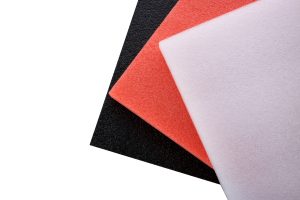
EPE foam, by contrast, is a flexible closed-cell polyethylene material designed for cushioning and repeated impact absorption. Unlike EPS, which can crack or break under pressure, EPE foam maintains better resilience and flexibility during handling and transportation.
For industrial packaging environments, this difference is important. EPE materials are better suited for electronic foam packaging because they provide stable cushioning performance while reducing vibration and handling damage during shipment.
At ProFlexPack, anti static foam sheets based on laminated EPE structures are used in applications requiring both cushioning protection and controlled electrostatic behavior.
Why EPE Foam Is Widely Used for Electronic Packaging
Electronic components and precision assemblies require packaging materials that can protect against both physical shock and electrostatic discharge. Standard Styrofoam materials do not typically provide controlled static dissipation, which may create risks for sensitive electronic devices.
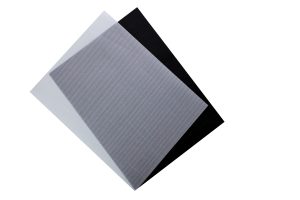
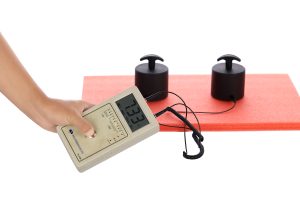
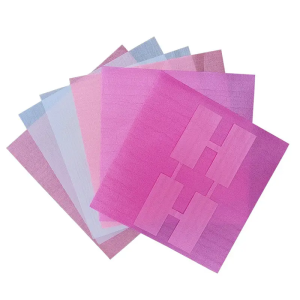
Anti static foam sheets manufactured from laminated EPE structures achieve stable dissipative resistivity within approximately 10⁶–10⁹ Ω. This controlled resistance range helps reduce static accumulation during handling, assembly, and transport operations.
The cushioning structure of EPE foam also helps absorb impact energy during shipment, making it suitable for electronic foam packaging involving PCB assemblies, communication modules, optical instruments, and precision electronic parts.
At ProFlexPack, anti static foam sheets are designed for workstation handling, tray inserts, divider sheets, and protective export packaging systems where both mechanical protection and electrostatic control are required.
Advantages of EPE Foam in Industrial Logistics
In addition to electrostatic performance, EPE foam offers operational advantages for industrial logistics and manufacturing workflows. Its lightweight structure helps reduce shipping weight while maintaining dependable cushioning performance for sensitive products.
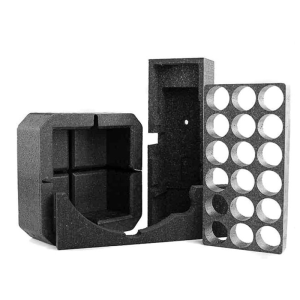
The flexible nature of EPE foam also allows it to be converted into customized packaging formats, including inserts, laminated sheets, interlayers, and precision-cut trays. These structures help improve product organization and reduce movement during storage and transportation.
Compared with rigid Styrofoam materials, EPE foam provides better durability for repeated handling environments and is less likely to produce debris or cracking during use. This makes it particularly suitable for electronic foam packaging applications that require cleaner packaging conditions and long-term protective consistency.
ProFlexPack develops customized packaging systems using anti static foam sheets to support reliable handling for electronics manufacturing, export logistics, and precision equipment transport operations.
Selecting the Right Foam Material for Sensitive Products
While EPE foam and Styrofoam may both be used for protective packaging, their performance characteristics differ considerably in industrial applications. Flexible cushioning, electrostatic protection, and durability make EPE materials more suitable for sensitive electronic and precision products.