-re0ekjsqlb4ojigkuutt3usg360zqvvu56lxdec0lc.png "所有proflexpacks改为proflexpack的(logo)")
Choosing the appropriate foam for packaging is crucial in safeguarding electronic components and other sensitive items. ESD safe packaging foam and conductive foam are two options that offer distinct benefits depending on the application, but understanding their differences is essential for optimal protection. ESD safe packaging foam and EPS foam is designed to prevent electrostatic discharge (ESD) that can damage sensitive electronics, while conductive foam serves to safely contain and control static electricity. This article delves into the specifics of each type, helping businesses make informed decisions.
The Role of ESD Safe Packaging Foam
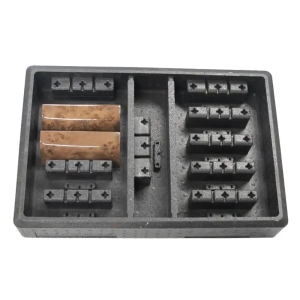
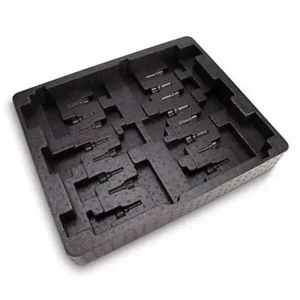
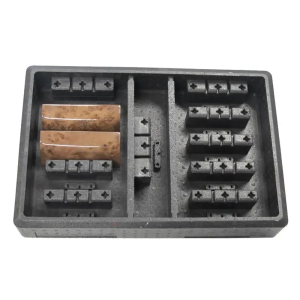
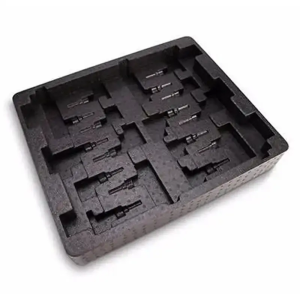
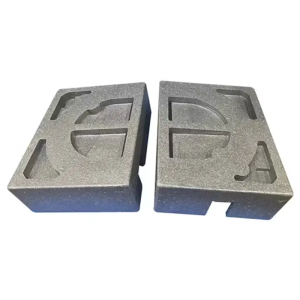
ESD safe packaging foam plays a pivotal role in ensuring the integrity of electronic devices during handling and shipping. These foams are specifically engineered to control static charge, providing a stable environment for delicate equipment. For instance, EPS (Expanded Polystyrene) anti-static inserts are particularly effective in minimizing static build-up. These inserts ensure safe packaging with firm protection and consistent static control, making them ideal for large electronics and precision equipment.
With a controlled ESD performance range of 10⁸ to 10¹⁰ Ω, surface-treated EPS provides stability during transportation and storage. This makes ESD safe packaging foam essential for businesses that handle sensitive electronics that require protection from sudden static discharge, ensuring products remain functional and undamaged.
When to Choose Conductive Foam
Conductive foam, on the other hand, provides a different approach to electrostatic control. Unlike ESD safe packaging foam, conductive foam is designed to discharge static electricity safely. This type of foam is commonly used for storing electronic components within a controlled environment, reducing the risk of static damage. It is particularly beneficial in situations where items are frequently handled or transported within static-sensitive environments.
Choosing conductive foam makes sense when there is a risk of static electricity accumulation and a need to dissipate it effectively. This foam type is often used in conjunction with ESD safe packaging foam, creating a layered approach to protection that combines the strengths of both materials.
Making the Right Choice for Your Business
Understanding the differences between ESD safe packaging foam and conductive foam is essential for businesses looking to protect their products and ensure safe handling. At ProFlexPack, we specialize in providing high-quality EPS anti-static inserts that deliver firm protection and stable static control, ideal for applications requiring high-compression strength and shock absorption.
Our ESD safe packaging foam options are engineered to meet the diverse needs of modern businesses, ensuring that delicate electronics can be safely stored and transported without risk. By choosing ProFlexPack as your packaging partner, you benefit from our commitment to quality and innovation in foam solutions, helping your products remain safe and secure during their journey. Together, we can enhance your packaging strategy and protect your valuable items with confidence.