-re0ekjsqlb4ojigkuutt3usg360zqvvu56lxdec0lc.png "所有proflexpacks改为proflexpack的(logo)")
The foam packaging solutions for Printed Circuit Boards (PCBs) are critical for ensuring the integrity and functionality of electronic components during transit and storage. Two popular options in the industry are ESD foam packaging and static shielding bags. Each of these solutions has its strengths and weaknesses, making it essential to evaluate their effectiveness based on your specific needs.
Understanding the Options
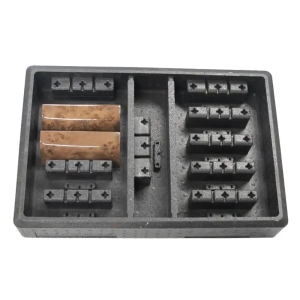
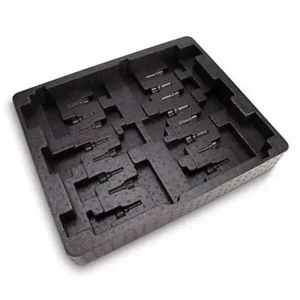
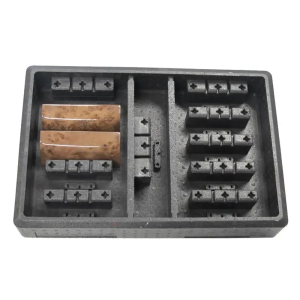
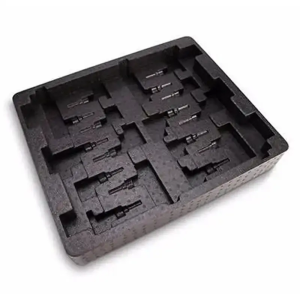
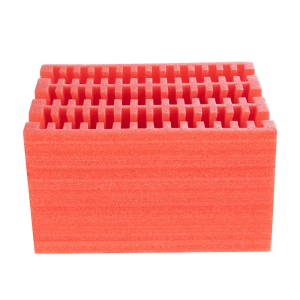
ESD foam packaging offers a unique advantage for protecting static-sensitive components. Made from anti-static Expanded Polyethylene (EPE), these inserts are engineered specifically for static-controlled applications across various industries. What sets ESD foam packaging apart is its ability to provide consistent cushioning along with controlled electrostatic protection. With a laminated anti-static surface achieving resistivity levels between 10⁷–10¹⁰ Ω, this solution ensures that your PCBs are shielded from electrostatic discharge (ESD) damage during handling, transport, and assembly.
On the other hand, static shielding bags also serve to protect electronic components from ESD but utilize a different approach. These bags typically consist of a combination of conductive materials that create a Faraday cage effect, effectively blocking external static electricity. They are lightweight and convenient but may lack the cushioning properties that ESD foam packaging provides.
Key Features of ESD Foam Packaging
One of the standout features of ESD foam packaging is its stable batch-to-batch performance. Each production batch undergoes rigorous resistance testing to ensure consistent anti-static behavior. This reliability prevents fluctuations that are often observed in lower-grade foams, ensuring your sensitive electronic interfaces remain protected. Additionally, ESD foam packaging effectively safeguards IC pins, connectors, flexible circuits, optical sensors, and precision modules—key components of any PCB.
In contrast, while static shielding bags are effective for short-term protection, they may not offer the same level of cushioning. This makes them less suitable for shipping or prolonged storage situations where physical protection is equally important.
Making the Right Choice for Your PCBs
Choosing between ESD foam packaging and static shielding bags ultimately depends on your specific requirements. If cushioning and consistent anti-static performance are paramount for your PCBs, ESD foam packaging is the superior choice. It provides both electrostatic protection and physical safety, ensuring your components arrive at their destination intact.
At ProFlexPack, we specialize in packaging solutions tailored to your needs. Our flexible anti-static EPE inserts are designed to deliver reliable safety for all types of static-sensitive products. With a commitment to stable ESD performance, consistent quality, and dedicated support, we stand ready to help you protect your sensitive electronics effectively. Together, we can enhance the way you package and transport your valuable PCBs.