-re0ekjsqlb4ojigkuutt3usg360zqvvu56lxdec0lc.png "所有proflexpacks改为proflexpack的(logo)")
Medical devices require packaging solutions that ensure stability, cleanliness, and consistent protection throughout transportation, storage, and clinical distribution. Equipment such as diagnostic tools, monitoring devices, and precision electronic modules are highly sensitive to vibration, impact, and electrostatic discharge. As packaging requirements become more specialized, manufacturers often compare standardized cushioning options with fully customized designs to determine the most suitable approach.
In many cases, anti static foam sheets are used as a foundation material for both standard and engineered packaging systems. At ProFlexPack, solutions are developed for medical and electronic industries where precision, compliance, and reliability are essential. This includes both anti static foam for electronics applications and customized die-cut structures designed for device-specific protection.
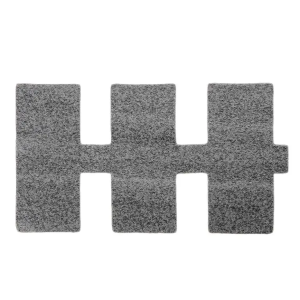
Structural Fit and Protection Performance Differences
Standard inserts are typically pre-shaped and designed for general use, offering basic cushioning for a wide range of products. While they may provide adequate protection in some cases, they often lack the precision required for complex medical device geometries.
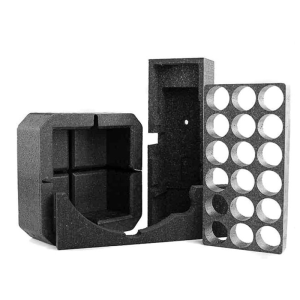
Customizable die-cut solutions, on the other hand, are engineered according to exact product dimensions. This allows each component to be securely positioned within anti static foam sheets, reducing internal movement during transport and handling.
For medical devices that include fragile sensors, connectors, or calibrated components, precise fit is critical. Anti static foam for electronics applications is particularly important in these cases, as it helps reduce both mechanical vibration and electrostatic risk. ProFlexPack uses CAD-based design and rapid prototyping to ensure foam structures match product requirements with high dimensional accuracy.
Electrostatic Protection and Material Consistency
Medical devices that include electronic components are often exposed to electrostatic risks during packaging and logistics operations. Standard inserts may not always provide consistent electrostatic control, especially when materials vary between batches or suppliers.
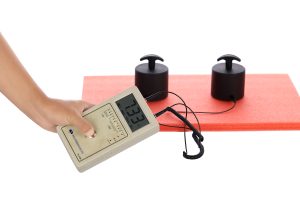
Anti static foam sheets are designed to maintain controlled surface resistivity, helping reduce static accumulation during handling and transport. When integrated into customized die-cut systems, they provide more stable and predictable protection for sensitive electronic assemblies.
Anti static foam for electronics used in medical packaging must also comply with strict material standards. At ProFlexPack, all foam materials are produced under ISO 9001 and ISO 14001 systems and meet UL, RoHS, and REACH requirements, ensuring consistency for regulated medical and industrial applications.
Efficiency, Compliance, and Lifecycle Considerations
Standard inserts are often faster to deploy and may be suitable for lower-risk products or short-term packaging needs. However, they typically offer limited flexibility when product designs change or when packaging must support multiple device variations.
Custom die-cut solutions provide greater adaptability. Anti static foam sheets can be tailored in thickness, density, and layout to support different device configurations, making them suitable for scalable medical production environments.
In addition, anti static foam for electronics designed through customized systems can undergo rigorous drop and vibration testing to validate performance before mass production. ProFlexPack also offers 72-hour rapid prototyping using 3D and CAD modeling, allowing faster iteration and more efficient packaging development cycles.
These capabilities help manufacturers reduce long-term packaging inefficiencies and improve consistency across global distribution channels.
Selecting the Right Packaging Strategy for Medical Devices
Choosing between standard inserts and customizable die-cut solutions depends on product complexity, sensitivity, and logistics requirements. While standard options may suit basic applications, medical devices with electronic components generally require more precise and controlled packaging environments.