-re0ekjsqlb4ojigkuutt3usg360zqvvu56lxdec0lc.png "所有proflexpacks改为proflexpack的(logo)")
The aerospace and defense industries operate under the strictest of standards. When transporting a critical avionics module, a delicate sensor array, or a large, high-precision structural component, the packaging is not an accessory—it is an essential safety system. The question of which material to choose—advanced Expanded Polypropylene (EPP) versus traditional Expanded Polystyrene (EPS)—is central to safeguarding these assets and optimizing the logistics chain. As a dedicated foam packaging manufacturer, our company believes that while traditional materials offer a simple solution, only advanced engineering foams provide the complex performance required for aerospace. In this article, we definitively examine why the superior durability, resilience, and specialized features of materials championed by ProFlexPack are the only viable choice for this high-stakes sector.
The Imperative for Resilience: Why Aerospace Needs Expert Foam Packaging Manufacturers
Aerospace components face unique stresses during transit, including extreme vibrational forces, pressure changes in air cargo, and the potential for repeated handling across complex global supply chains. A critical failure in packaging can result in the loss of millions of dollars of hardware and significant project delays. Therefore, packaging must offer more than simple cushioning; it requires reliable, multi-impact protection and stability across a wide range of environmental conditions. This rigorous requirement is precisely why industry-leading foam packaging manufacturers must move beyond basic materials and focus on advanced polymer science to truly support the specialized needs of this sector.
Traditional Foams: Rigidity Versus Reliability
The category of traditional foam packaging is largely represented by Expanded Polystyrene (EPS), often simply called Styrofoam. EPS is characterized by its high rigidity and low cost, making it the preferred choice for single-use, high-volume consumer goods packaging. However, this rigidity is its ultimate drawback in aerospace applications. EPS is highly susceptible to permanent deformation after a single significant impact and is prone to cracking or crumbling under stress. Once the bead structure is compromised, its protective integrity is lost, making it unsuitable for the frequent, demanding cycles of returnable aerospace packaging. Our company strongly advises against using standard EPS when component integrity is non-negotiable. Unlike advanced reusable materials, EPS also generates substantial post-use waste that requires specialized disposal or recycling processes, adding hidden costs for businesses aiming to streamline their sustainability efforts; its lack of structural consistency further means that even minor variations in handling or storage conditions can undermine its protective capabilities, leaving high-value aerospace parts vulnerable to avoidable damage and costly delays in supply chains.
EPP: The Advanced Foam Solution for Repeat Impact Protection
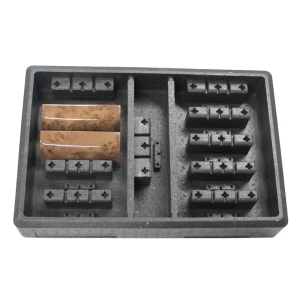
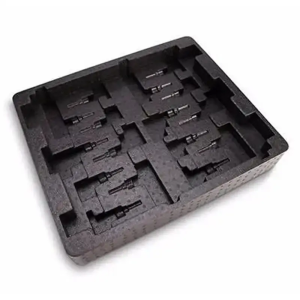
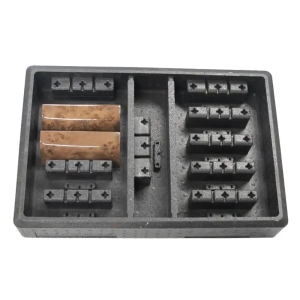
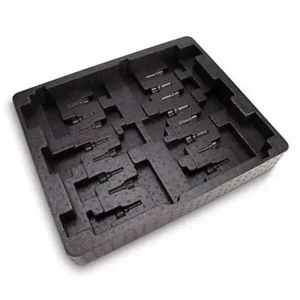
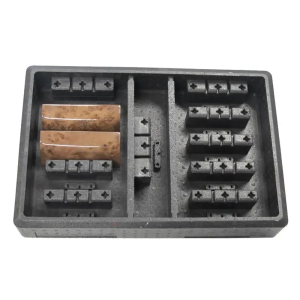
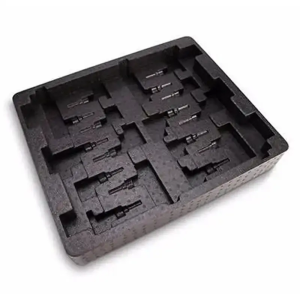
The solution lies in advanced materials like Expanded Polypropylene (EPP), one of our core products at ProFlexPack. EPP is a closed-cell bead foam renowned for its superior elasticity and shape memory, meaning it can absorb multiple high-energy impacts and return to its original form without a significant loss of performance. This resilience is critical for reusable packaging that travels repeatedly between manufacturing facilities, suppliers, and integration sites. With a broad operating temperature range—typically from -40℃ to +120℃—our EPP product maintains its mechanical properties even in extreme cold or heat, providing the stability and long-term durability that traditional foams simply cannot match.
The Economic Case for Advanced Materials
While the initial unit cost of advanced foams like EPP may be higher than traditional EPS, the total cost of ownership (TCO) tells a different story, especially in B2B aerospace logistics. Our company’s advanced materials are reusable for dozens, or even hundreds, of shipping cycles, translating into substantial long-term cost savings by minimizing packaging waste and replacement expenses. Crucially, the increased reliability dramatically lowers the risk of transit damage, which is the single largest potential cost-driver in aerospace parts logistics. By investing in resilient, reusable, high-performance packaging from a trusted foam packaging manufacturer, businesses reduce their operational risks and secure greater value. These materials also align with the growing industry demand for sustainable supply chain solutions, helping aerospace companies meet their carbon footprint reduction targets without compromising on protection or efficiency; additionally, the consistent performance of advanced foams eliminates the variability and unplanned costs associated with subpar packaging alternatives, ensuring smoother logistics workflows and stronger partnerships between suppliers and end-users.
Conclusion: Trusting a Global Leader Among Foam Packaging Manufacturers
The answer is clear: for aerospace and other precision industrial applications, advanced foam materials like EPP are unequivocally better than their traditional counterparts. They offer the necessary resilience, specialized anti-static features, and superior durability required to protect multi-million dollar components across volatile supply chains. ProFlexPack is proud to be among the leading foam packaging manufacturers, delivering innovative, custom-engineered solutions tailored to the aerospace industry’s unique challenges—safeguarding high-value, fragile components, withstanding extreme conditions, and meeting strict certifications. Our offerings consistently exceed the industry’s uncompromising standards, and we urge your procurement and engineering teams to choose our performance-driven packaging, backed by dedicated aerospace experts who collaborate closely to align with your specific requirements. This partnership ensures not just the safety and success of your most valuable assets, but also streamlines your supply chain by minimizing risks and maximizing operational efficiency.