-re0ekjsqlb4ojigkuutt3usg360zqvvu56lxdec0lc.png "所有proflexpacks改为proflexpack的(logo)")
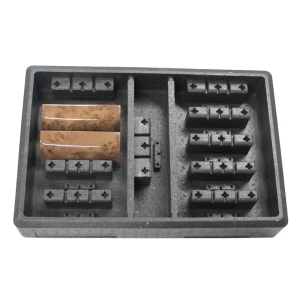
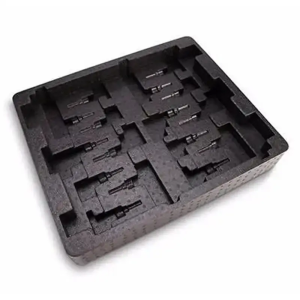
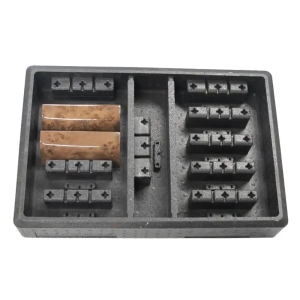
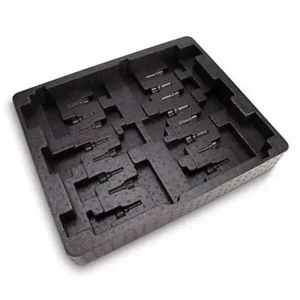
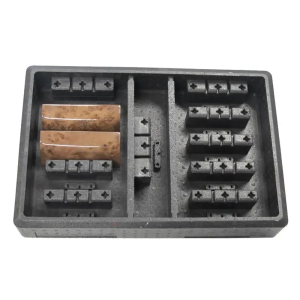
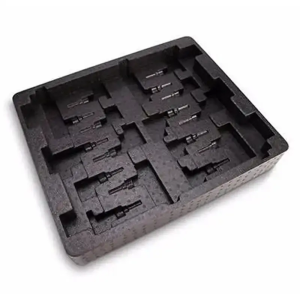
The complexity of modern logistics—involving multi-modal transport, numerous transfer points, and varied climate exposure—presents a constant threat to product integrity. High-value or fragile goods are perpetually at risk from transit damage, leading to high warranty costs, customer dissatisfaction, and supply chain delays. To combat this, businesses must utilize packaging that acts as an engineered defense system. Expanded Polyethylene (EPE foam), often referred to simply as PE foam packaging, often referred to simply as PE foam packaging, stands out as the material of choice for solving the most persistent logistics damage problems. Our company, ProFlexPack, specializes in converting this resilient material into custom solutions that guarantee predictable protection and cost efficiency. EPE foam’s closed-cell structure inherently resists moisture, vibration, and repeated impacts—critical for withstanding the rigors of global shipping. By tailoring every insert to the unique contours of your products, we eliminate movement-related damage while optimizing package size, further enhancing supply chain efficiency without compromising safety.
The Problem of Impact and Vibration: Solved by PE Foam Packaging
The most common cause of logistics damage is shock and vibration. Standard packaging materials often fail under the sustained, repeated stresses of long-haul transport. PE foam packaging, with its closed-cell structure, acts as a superior energy absorber. Unlike less resilient materials, it does not permanently deform after a single impact. This multi-drop capability is crucial for reusable packaging systems and complex logistics routes. ProFlexPack engineers use specialized software and drop-curve technology to determine the exact density and thickness of our EPE Foam Inserts required to absorb peak G-forces, ensuring that impacts, minor shocks, and persistent vibrations are effectively dampened, keeping the product stable and secure.
The Threat of Abrasion and Surface Damage: Eliminated by EPE Foam
When products are packaged loosely, micro-movements during transit can cause the item to rub against the interior packaging or neighboring items, leading to scuffing, scratching, and abrasion—particularly damaging to Class A surfaces like polished metals, glass, and screens. A significant advantage of EPE foam is its non-abrasive, smooth texture. When fabricated into a custom inlay, the foam cradles the product exactly, eliminating internal movement. Furthermore, the soft yet firm surface of the EPE foam itself ensures that the item’s finish remains pristine, preserving both the functional integrity and the aesthetic value of the product upon arrival. Unlike rigid or textured packaging materials that risk marring delicate surfaces, our custom EPE inserts provide a gentle, secure barrier that adapts to the product’s shape. This protection is especially critical for high-end consumer goods, precision equipment, or branded items where visual perfection directly impacts customer satisfaction and perceived value.
The Challenge of Moisture and Humidity: Counteracted by ProFlexPack
Cross-border and international shipping often exposes goods to extreme temperature swings and high humidity, which can lead to condensation inside the package. Traditional cushioning materials, if they absorb moisture, lose their protective structure and can even promote corrosion or mold. As a closed-cell polymer, PE foam packaging is highly resistant to water, moisture, and common industrial chemicals. This specification is vital for maintaining the packaging’s structural integrity regardless of environmental conditions, and is a key feature of the Expanded Polyethylene Foam solutions provided by ProFlexPack, ensuring the longevity and reliability of the protection over long distances or in uncontrolled storage facilities. Its moisture-resistant barrier prevents water from seeping into the foam matrix, keeping both the packaging and the enclosed product dry and intact. This resilience eliminates weather-related damage risks, giving businesses confidence that their goods will arrive in optimal condition—even after navigating humid ports, cold cargo holds, or fluctuating climates.
The Hidden Risk of Electrostatic Discharge (ESD): Controlled by EPE Foam
For the electronics, healthcare, and automotive sectors, the risk of electrostatic discharge is a major logistics damage problem. Friction created during transit can generate static electricity, which can silently damage sensitive components. Standard PE foam packaging can be chemically formulated to be anti-static or conductive. Our company provides specialized Anti-Static EPE Foam Inserts that safely dissipate electrical charges, guaranteeing ESD compliance throughout the supply chain. This is a non-negotiable requirement for PCBs, sensors, and other sensitive devices, where invisible damage can translate into immediate field failures and high recall costs. Unlike generic foam that offers no ESD protection, our specialized solutions maintain consistent charge-dissipating performance across temperature and humidity fluctuations. This reliability ensures compliance with industry standards and safeguards your high-value components from latent or catastrophic electrostatic damage, preserving product functionality and reducing costly post-delivery risks.
Conclusion: Ensuring Product Integrity with Engineered PE Foam Packaging
Addressing logistics damage requires a proactive, engineered approach. PE foam packaging offers a superior solution by effectively mitigating the risks associated with impact, vibration, abrasion, moisture, and ESD. By choosing the customized EPE foam solutions developed by ProFlexPack, your business gains a strategic advantage: reduced damage rates, enhanced efficiency, and a guaranteed consistency of quality that supports global operations. We partner with you to transform protective packaging from a potential liability into a reliable asset.