-re0ekjsqlb4ojigkuutt3usg360zqvvu56lxdec0lc.png "所有proflexpacks改为proflexpack的(logo)")
When selecting foam for internal cushioning in packaging, businesses often face the dilemma of choosing between polyethylene and polyurethane foams. Both materials offer unique advantages, but understanding their properties can significantly impact product safety and ultimately, customer satisfaction. As a trusted foam packaging manufacturer, we aim to clarify these distinctions to help you make the best choice for your particular needs.
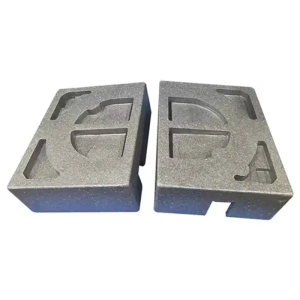
Properties of Polyethylene Foam
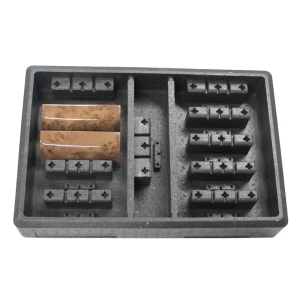
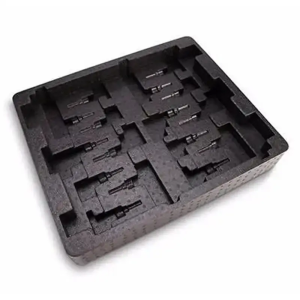
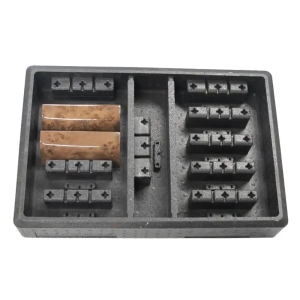
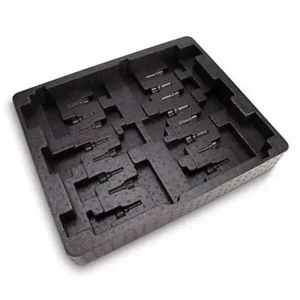
Polyethylene foam is renowned for its durability and versatility. This closed-cell foam is resistant to moisture, chemicals, and UV light, making it ideal for various applications. Its lightweight nature contributes to lower shipping costs, while its excellent cushioning properties provide robust protection against impact and vibration during transit. Polyethylene foam is also non-toxic and environmentally friendly, which aligns with the sustainability goals many companies strive to achieve.
For businesses looking for a foam packaging solution, partnering with polyethylene foam packaging manufacturers like ProFlexPack ensures that you receive tailored products that meet your specific requirements. Whether you need foam for electronic devices or delicate medical instruments, polyethylene cushioning provides reliable protection while being cost-effective.
Advantages of Polyurethane Foam
In contrast, polyurethane foam is known for its exceptional conformability and comfort. It offers superior energy absorption, making it suitable for applications requiring extensive shock absorption. Polyurethane foam is available in various densities and firmness levels, providing customization that many industries find advantageous.
This foam type is commonly employed in scenarios where cushioning against heavy impacts is critical, such as in automotive and aerospace packaging. By collaborating with experienced polyurethane foam packaging manufacturers, you can ensure that the polyurethane foam used effectively meets your protection and cushioning needs.
While polyurethane foam delivers excellent performance, it may not be as resistant to environmental factors compared to its polyethylene counterpart. Therefore, businesses should consider the specific conditions their products will face during transport and storage when making their selection.
Making the Right Choice for Your Business
Choosing between polyethylene and polyurethane foam ultimately depends on your specific application and requirements. If your primary concern is moisture resistance and durability, polyethylene foam from trusted polyethylene foam packaging manufacturers is likely the best option. However, if your products need superior shock absorption and conformability, polyurethane foam may be the more suitable choice.
At ProFlexPack, we pride ourselves on innovation and a deep understanding of our clients’ needs. Our commitment extends from providing standardized solutions to crafting bespoke packaging designs tailored to each product’s unique characteristics. Whether you operate in electronics, medical, automotive, or aerospace sectors, partnering with us ensures secure product transit and enhanced efficiency. Let us help you determine the best cushioning solution to safeguard your valuable products throughout their journey.