-re0ekjsqlb4ojigkuutt3usg360zqvvu56lxdec0lc.png "所有proflexpacks改为proflexpack的(logo)")
When it comes to packaging solutions, choosing the right foam material is crucial for ensuring product safety and efficiency during transport. Two popular options are EPP foam (expanded polypropylene) and EPS foam (expanded polystyrene). Each offers distinct advantages in terms of energy absorption and reusability, making them suitable for different applications. Understanding their differences can help businesses make informed decisions.
Energy Absorption Capabilities
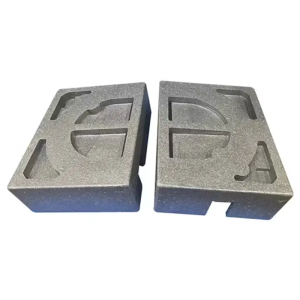
EPP foam is renowned for its exceptional energy absorption properties. The material’s unique structure allows it to compress and expand effectively upon impact, distributing forces evenly across the surface. This characteristic makes EPP foam an ideal choice for applications that require high levels of shock protection, such as automotive components and sensitive electronic equipment.
Conversely, while EPS foam provides adequate protection for many products, its energy absorption capability is generally limited compared to EPP. EPS foam tends to break upon heavy impact, which can result in compromised protection for fragile items during shipping. For industries where damage prevention is critical, opting for EPP foam inserts ensures a higher level of safety and reliability.
Reusability and Longevity
Another significant difference between EPP and EPS foam lies in their reusability. EPP foam is celebrated for its durability and long-lasting performance. The material maintains its structural integrity over repeated uses, making it a sustainable choice for companies looking to minimize waste. EPP foam inserts can withstand multiple cycles of compression without warping, ensuring a precise fit for components each time they are used.
In contrast, EPS foam is typically designed for single-use applications. Once compressed or damaged, EPS foam loses its protective qualities and is often discarded. This lack of reusability not only increases costs over time but also contributes to environmental waste. For businesses focused on sustainability, EPP foam presents a more eco-friendly option, contributing to reduced landfill waste through its extended lifespan.
Choosing the Right Foam Material for Your Needs
Ultimately, the decision between EPP foam and EPS foam depends on your specific packaging requirements. EPP foam excels in applications demanding high energy absorption and reusability, making it well-suited for industries such as transportation, aerospace, and electronics. On the other hand, EPS foam may still be effective for lower-risk products that do not require the same level of protection.
Partnering with ProFlexPack for Quality Solutions
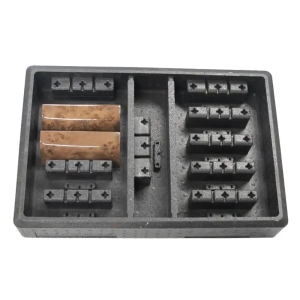
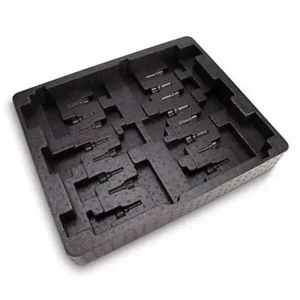
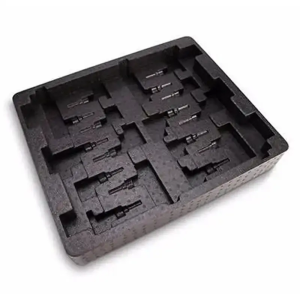
At ProFlexPack, we prioritize providing reliable packaging solutions tailored to our clients’ needs. Our engineered EPP foam inserts deliver stable strength and precision fit for components requiring dependable, long-lasting protection. With our commitment to quality and innovation, we ensure that your products are safeguarded during transit while also promoting sustainability through reusable materials.
When considering packaging options, trust ProFlexPack to help you navigate the choices between EPP foam and EPS foam. By selecting our advanced EPP foam solutions, you can enjoy enhanced energy absorption, improved reusability, and peace of mind knowing your products are protected consistently. Together, let’s elevate your packaging strategy for optimal performance and sustainability.