-re0ekjsqlb4ojigkuutt3usg360zqvvu56lxdec0lc.png "所有proflexpacks改为proflexpack的(logo)")
In the automotive industry, safely transporting delicate and often expensive parts requires careful consideration of protective packaging. The right packaging material can make a significant difference in ensuring parts reach their destination without damage. As a trusted foam packaging manufacturer, ProFlexPack understands the importance of selecting the right foam to protect your valuable automotive components during transit. But with so many options available, the question remains: Which foam — EPE or EPP — is the best choice? In this article, we will explore the differences between EPE (Expandable Polyethylene) and EPP (Expanded Polypropylene), and help you decide which foam provides the best protection for your automotive parts.
Understanding EPE and EPP: Key Differences
Before diving into their specific benefits for automotive parts transport, let’s first examine the basic properties of EPE and EPP foam. EPE is a lightweight, closed-cell foam that is commonly used in packaging. It is known for its excellent shock absorption, flexibility, and cost-effectiveness. EPE foam can easily be customized to fit various shapes and is ideal for lighter parts that require basic protection from impacts and vibrations. Additionally, EPE is a popular choice for companies looking for an affordable packaging solution. EPP, on the other hand, is a more durable foam material that offers superior strength and resilience. It is resistant to high temperatures, compression, and impact. EPP is particularly well-suited for automotive parts that need extra protection during transport. Though more expensive than EPE, the superior performance of EPP often makes it a better investment in the long run, particularly for high-value, fragile parts.
EPE vs. EPP: Which Foam Is Better for Automotive Parts?
Protection and Durability
EPE provides excellent protection against impacts and vibrations, making it a great option for lightweight, non-fragile automotive parts. However, for heavier or more sensitive components, EPE may not provide the level of protection needed for high-value or critical automotive parts. EPP offers superior durability, resistance to compression, and can withstand repeated impacts, making it ideal for more fragile or heavy-duty parts that need to be protected from the stresses of transport. Its higher resistance to deformation ensures that your automotive parts remain intact during the journey.
Cost-Effectiveness
One of the main reasons companies opt for EPE is its cost-effectiveness. The material itself is inexpensive, and the manufacturing process is relatively simple, keeping overall costs low. For businesses looking for a budget-friendly option that still offers solid protection, EPE foam is a good choice. EPP, while more costly, provides greater protection and long-term durability. If you’re transporting high-value automotive parts that require superior protection, investing in EPP can ultimately save you money by preventing damage and costly repairs.
Customization and Design Flexibility
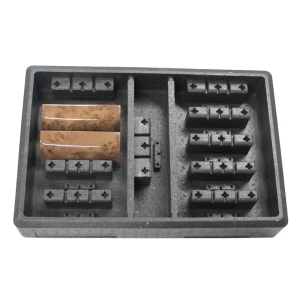
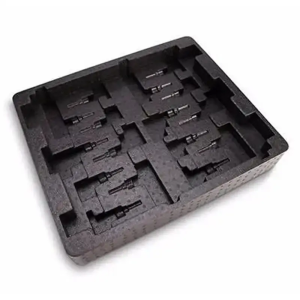
Both EPE and EPP foam can be customized to meet the specific needs of automotive parts packaging. As a leading protective packaging foam supplier, ProFlexPack offers a wide range of customization options, including die-cutting, molding, and surface treatments. Whether you need specific shapes, colors, or protective features like anti-static coatings, both EPE and EPP can be engineered to meet your requirements. EPP offers additional design flexibility, particularly for larger or heavier parts. Its resilience allows it to maintain its shape even under pressure, which is ideal for irregularly shaped automotive components.
Environmental Impact
EPE is generally considered to be more environmentally friendly, as it is recyclable and can be reused for various applications. For businesses looking to reduce their environmental impact, EPE may be a better choice. EPP is also recyclable, but its production process is more complex. However, due to its durability and long lifespan, EPP can lead to less waste over time, particularly in reusable packaging solutions.
Performance in Extreme Conditions
EPE can struggle to maintain its structural integrity under extreme conditions such as high temperatures or prolonged exposure to moisture. This makes it less suitable for automotive parts that will be exposed to harsh environments during transit. EPP, in contrast, is highly resistant to temperature extremes and moisture. Its superior performance under extreme conditions makes it the ideal choice for automotive parts that may be exposed to such conditions during transport or storage.
Which Foam Is Right for Your Automotive Parts?
The decision between EPE and EPP foam ultimately depends on the specific needs of your automotive parts and the level of protection required. EPE is ideal for lightweight, non-fragile parts that require basic protection at an affordable price point. It is a great choice for businesses looking to balance cost and protection. EPP, on the other hand, offers a more robust solution for high-value, fragile, or heavy-duty automotive components. If your parts are sensitive to impact, compression, or temperature extremes, EPP is the better choice. At ProFlexPack, we specialize in providing custom foam packaging solutions tailored to the automotive industry. Whether you need EPE or EPP foam, we can help design a packaging solution that meets your specific requirements and ensures your parts are well-protected during transit.
Conclusion: Making the Right Investment in Foam Packaging
Choosing the right foam material for your automotive parts packaging is essential for ensuring safe and secure delivery. Whether you choose EPE or EPP, it’s important to consider factors such as the level of protection required, cost-effectiveness, environmental impact, and customization needs. At ProFlexPack, we are committed to providing high-quality, tailored foam packaging solutions that meet the needs of our clients and protect your automotive parts throughout the supply chain.