-re0ekjsqlb4ojigkuutt3usg360zqvvu56lxdec0lc.png "所有proflexpacks改为proflexpack的(logo)")
For manufacturers of printed circuit boards (PCBs) and sensitive electronic assemblies, packaging must perform two functions: provide robust physical cushioning and mitigate the constant threat of electrostatic discharge (ESD). The choice often comes down to two highly effective polyethylene materials: Expanded Polystyrene (EPS) and Expanded Polyethylene (EPE). While both can be formulated into reliable anti-static foam packaging, their fundamental structural differences make one superior for certain applications. Understanding these material science distinctions is key to making the right protective decision for your PCBs. Our company, ProFlexPack, offers both anti-static EPS foam pads and EPE inserts, enabling us to provide unbiased expertise tailored to your product’s specific vulnerabilities. Each material’s unique properties—from EPS’s rigid impact absorption to EPE’s flexible, non-abrasive cushioning—align with distinct transit needs and component sensitivities. This range of solutions ensures we can match your PCBs with packaging that balances ESD safety, physical protection, and logistical efficiency, regardless of your supply chain’s complexity.
The Core Difference: Cushioning Profiles for PCB Safety
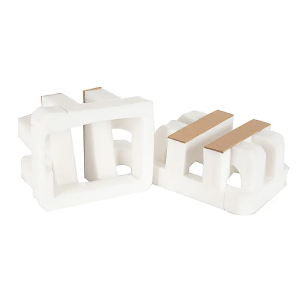
The defining difference between these materials lies in their physical structure and resulting impact performance. EPS foam is rigid and comprises closed, non-interconnected cells. This structure excels at managing high-energy, single-impact events (like drops), making it ideal for the perimeter protection of large, high-value electronics and appliances where robust corner protection is paramount. In contrast, EPE foam is more resilient, flexible, and features interconnected cells. It is superior in dealing with repeated, lower-energy shocks and sustained vibration. For PCBs, which are often packed in trays or nested stacks and exposed to hours of continuous vibration during transit, the resilience and multi-impact performance of EPE often provide a more dependable, long-term cushioning solution.
ESD Performance: Anti Static Foam Packaging Requirements
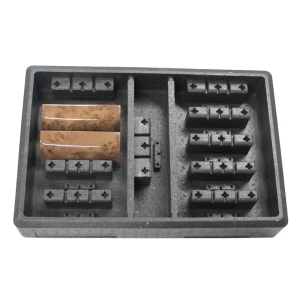
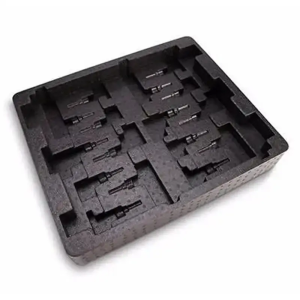
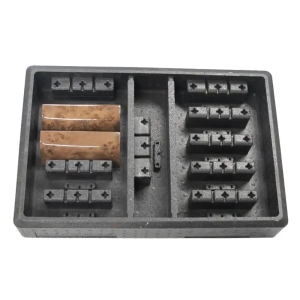
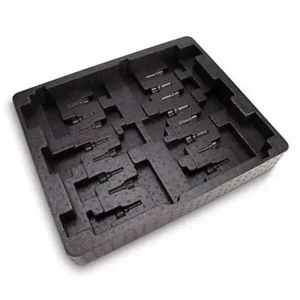
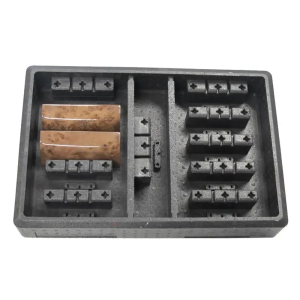
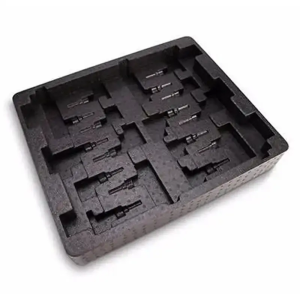
Both EPS and EPE can be chemically treated to achieve the necessary static protection required for electronic components, resulting in reliable anti static foam packaging. The most common variants are anti-static (dissipative, often pink) and conductive (often black). Our specialized Anti-Static EPS foam Pads, for instance, are highly effective at providing both robust rigidity and static control, making them excellent choices for stacking and separation in larger boxes. However, due to its softer, more conforming nature, Anti-Static EPE is frequently preferred for direct contact inserts, as it reduces abrasion and friction, thereby minimizing the creation of static charges on the foam surface itself.
Weight, Volume, and Cost of EPS Foam vs. EPE
Logistics managers must balance protection with material costs and shipping efficiency. EPS foam is typically the most cost-effective per volume of material due to its high air content (up to 98%), and its rigid nature allows for efficient stacking and pallet utilization, reducing overall volumetric weight. Conversely, EPE is generally more expensive per pound but is used in thinner, more complex shapes. While EPS foam is ideal for minimizing the cost of large-volume packaging, EPE’s superior resilience means it can be thinner while achieving similar multi-impact protection, sometimes leading to a smaller overall package size and lower dimensional weight costs over the lifetime of a reusable packaging system. This trade-off underscores the importance of aligning material choice with shipment frequency, product value, and transit complexity. For single-use, high-volume shipments, EPS delivers unbeatable cost efficiency, while EPE’s durability and space-saving design offer long-term savings for reusable or precision-focused logistics strategies.
Customization and Reusability: Strategic Selection by ProFlexPack
The application environment dictates which material is truly “better.” ProFlexPack leverages the customizability of both materials to create optimal PCB solutions. Molded EPS foam is perfect for fixed, high-volume production of identical end caps or trays where cost is a major factor. For PCBs that require frequent handling or placement in reusable totes, the superior tear resistance and flexibility of EPE make it a far more durable and reusable option. Ultimately, our analysis confirms that while both materials offer essential anti static foam packaging, the resilience of EPE is often strategically favored for long-life PCB inserts, whereas the rigidity of EPS foam is best for perimeter support and primary impact mitigation.
Conclusion: Partnering with ProFlexPack for Optimal PCB Protection
Choosing the right anti static foam packaging requires a clear assessment of your product’s fragility, transit environment, and budget constraints. Both anti-static EPS foam and EPE provide essential ESD protection, but EPE offers better multi-impact resilience, while EPS offers greater rigidity and cost efficiency for primary cushioning. By partnering with ProFlexPack, you gain access to our extensive material expertise and fabrication services, ensuring that whether you require the rigidity of Anti-Static EPS Pads or the conformity of Anti-Static EPE Inserts, your PCB components receive the highest possible level of engineered protection. Our team works closely with you to align material properties with your supply chain’s unique demands—from long-haul shipping vibrations to precision handling needs. This tailored approach eliminates one-size-fits-all compromises, safeguarding your sensitive electronics against both physical damage and electrostatic risks while optimizing cost and logistical efficiency.