-re0ekjsqlb4ojigkuutt3usg360zqvvu56lxdec0lc.png "所有proflexpacks改为proflexpack的(logo)")
For manufacturers dealing with high-value precision instruments—from sophisticated medical devices and complex aerospace components to sensitive electronic assemblies—the journey from the factory floor to the end-user is fraught with risk. Traditional, generic cushioning often fails to account for dynamic impact, vibration, or the threat of electrostatic discharge (ESD). The choice of foam packaging material is not a minor logistical detail; it is a critical engineering decision that directly impacts product quality, customer satisfaction, and overall cost of damage. At ProFlexPack, our mission is to eliminate that risk by moving beyond outdated solutions and specifying the exact materials needed to safeguard your assets. We believe the future of high-value transit protection lies in advanced cellular polymer technology.
The Limitations of Conventional Foam Packaging Material
Traditional packaging often relies on simple, low-density materials like polyurethane (PU) foam or basic, unmodified polyethylene. While these materials are inexpensive and provide basic void fill, they possess distinct structural limitations that make them unsuitable for precision instruments. Conventional foam packaging material typically lacks the resilient structure necessary to withstand multiple impacts and often exhibits poor energy rebound characteristics. More critically, traditional foams are rarely inherently anti-static. For instruments containing sensitive circuit boards or micro-components, the friction generated during transit can build up and release an electrostatic discharge, causing immediate or latent damage that is often invisible until the product fails in the field. Such hidden damage frequently leads to costly post-delivery repairs, product recalls, or lost customer trust, as precision equipment demands uncompromised protection from start to finish. Even minor structural deformation or electrostatic interference can undermine the instrument’s calibration or performance, making traditional materials a risky choice for high-value, sensitive devices.
Elevating Protection with Advanced Foam Packaging Solutions
Advanced packaging requires specialized polymers such as Expanded Polypropylene (EPP), Expanded Polyethylene (EPE), and high-grade Expanded Polystyrene (EPS), materials our company, ProFlexPack, utilizes extensively. These engineered foams offer superior performance because of their uniform, closed-cell structure and inherent resiliency. Unlike traditional materials that simply compress and stay compressed, advanced foam packaging solutions are designed for multi-impact protection. EPP, for instance, is highly durable and recovers its shape immediately after impact, making it ideal for reusable packaging systems or components that may experience multiple minor drops during the supply chain.
Precision Engineering: Matching Foam Density to Load
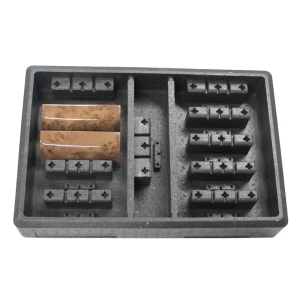
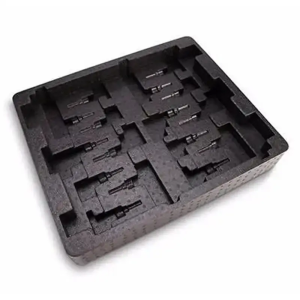
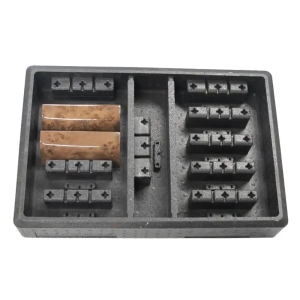
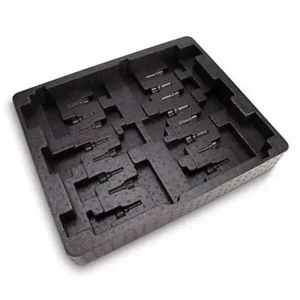
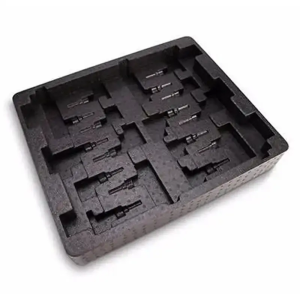
The engineering behind advanced foam packaging material hinges on the concept of cushion curve analysis. It is not enough to simply use EPP or EPE; the density of the material must be precisely matched to the weight and fragility of the instrument being packaged. As ProFlexPack, we consult with your engineering teams to determine the optimal density required to keep the transmitted G-force below the critical damage threshold of your product. Our comprehensive range of materials, including various densities of EPE Foam Inserts and Custom Foam Inserts, allows us to provide a bespoke fit, ensuring that the packaging absorbs the maximum possible energy without transferring destructive forces to your valuable precision instrument.
The Critical Role of Anti-Static Properties in Transit
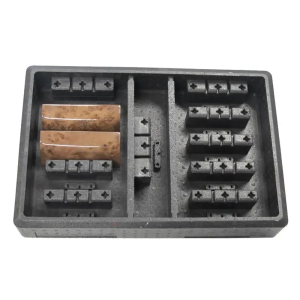
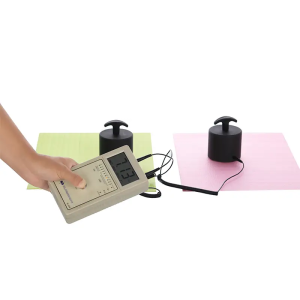
When shipping complex electronics or high-sensitivity scientific equipment, static electricity is a silent threat. Standard foam materials can generate high levels of static charge, leading to costly failures. This is why our advanced offerings include specialized products like EPS Anti-Static Inserts and Anti-Static EPE Inserts. These foam packaging solutions are treated or manufactured with conductive properties to safely dissipate electrical charge away from sensitive components. Utilizing an anti-static foam packaging material is a non-negotiable step for any business in the electronics, defense, or medical sector, and our company ensures compliance with stringent industry ESD standards. By neutralizing static buildup at every stage of transit, these solutions prevent both immediate component failure and latent damage that could compromise performance over time. They also provide a reliable buffer against environmental variables, ensuring consistent protection whether goods are in warehouse storage or cross-continental shipping—critical for safeguarding high-investment equipment and maintaining operational continuity.
Why ProFlexPack is the Trusted Partner for Precision
Choosing the right partner is as crucial as choosing the right material. ProFlexPack is a global packaging solutions provider with deep expertise in custom foam conversion and fabrication. Our company focuses solely on creating robust, tailor-made protective packaging systems. We don’t offer generic, off-the-shelf foam; we offer engineered protection, utilizing materials like EPP and anti-static EPE to deliver reliable, end-to-end security. By partnering with ProFlexPack, you gain access to our extensive material science knowledge, guaranteeing that your valuable precision instruments are protected by the best possible foam packaging material throughout their entire supply chain journey. Our dedicated team works closely with you to refine every detail—from initial design to final production—ensuring solutions align with your unique product needs and logistical challenges. We also stand behind our offerings with responsive support, making sure your packaging performs consistently, even as your business or supply chain evolves.